

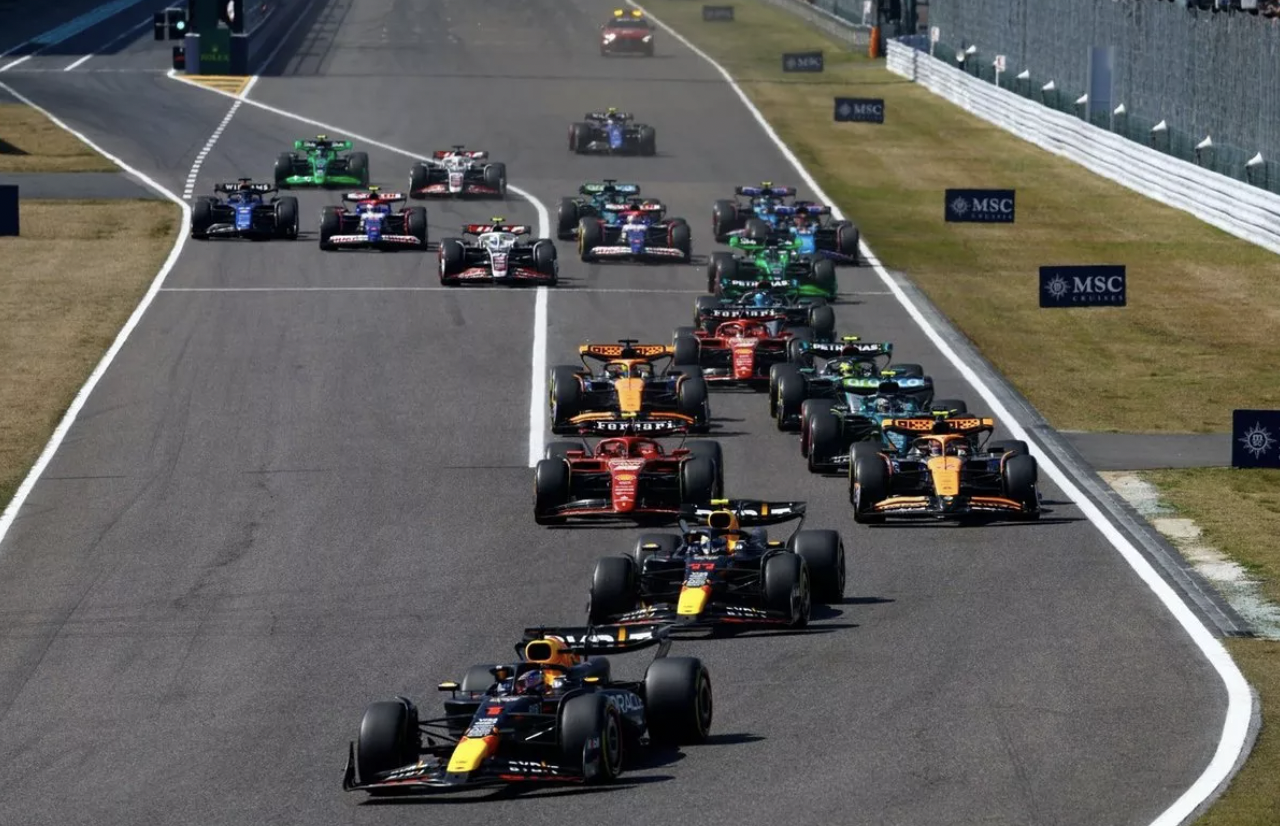
Max Verstappen’s dominant victory at the Japanese Grand Prix was aided by a crucial set-up breakthrough made during a red flag period caused by a crash involving Daniel Ricciardo and Alex Albon.
Heading into the race, Verstappen and Red Bull faced uncertainty over their long-run form at Suzuka due to struggles with finding the right set-up during practice sessions. Changes made to Verstappen’s car after a challenging FP3 session showed improvement, but doubts remained.
The red flag period provided an opportunity for Red Bull to make further set-up changes to Verstappen’s car, helping to address any overcompensation made in reaction to the FP3 uncertainty. Verstappen and his engineer fine-tuned the adjustments during their first pit stop, leading to a significant improvement in the car’s performance throughout the race.
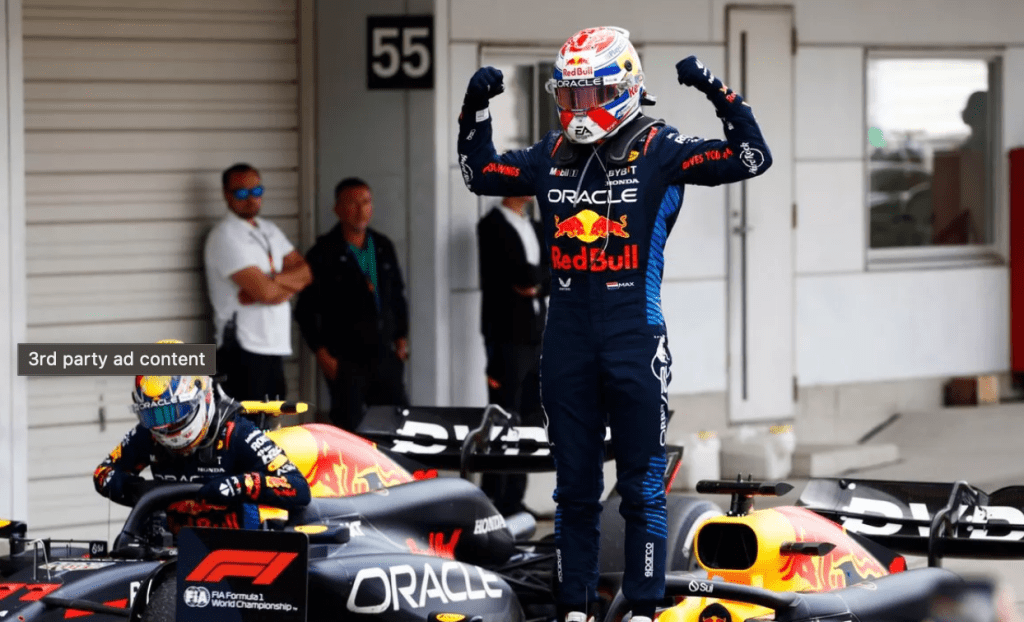
Red Bull team principal Christian Horner credited the red flag period for allowing the team to reset the front wings and make beneficial set-up changes. He noted that the car’s performance improved as the race progressed, aided by warmer temperatures and further adjustments.
Helmut Marko, Red Bull’s motorsport advisor, highlighted the challenges of the weekend, including a new upgrade package and changing weather conditions. He emphasized the importance of the set-up changes made during the red flag period and Verstappen’s experienced team’s ability to make the right decisions.
Overall, the adjustments made during the red flag period played a crucial role in Verstappen’s victory, showcasing the team’s ability to adapt and optimize performance under challenging circumstances.


Leave a Reply