

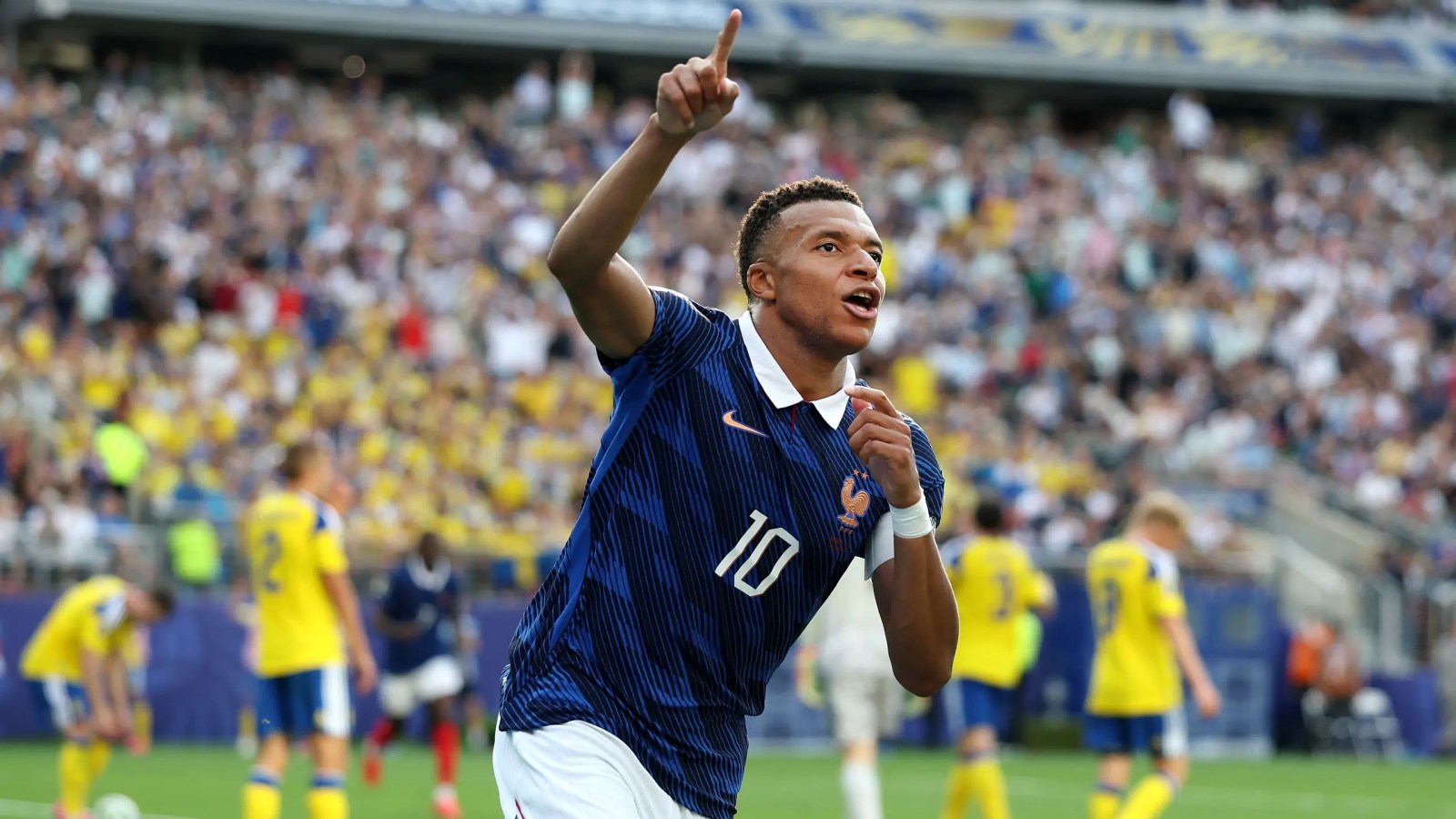
The 2026 FIFA World Cup has moved decisively into its knockout phase, with the round of 16 now under way and the route to the final finally mapped out. That shift matters because every result from this point carries immediate consequence, replacing the margin for error of the group stage with direct elimination and a defined path toward the trophy. The central figure at this stage is the bracket itself, now framing the entire tournament narrative from the first knockout ties through to the championship match. With the final scheduled for July 19 at MetLife Stadium in East Rutherford, New Jersey, the competition has entered the stretch in which every fixture further shapes the title race.
- The World Cup has advanced into the round of 16, confirming the start of the knockout phase.
- The bracket is now set, establishing the route from the last 16 through to the final.
- The final is scheduled for July 19 at MetLife Stadium in East Rutherford, New Jersey.
- One confirmed round-of-16 date is Saturday, July 4, when Canada face Morocco in Houston and Paraguay meet France in Philadelphia.
- The wider bracket picture has shown additional round-of-16 pairings, but not every listing has been fully consistent, placing extra focus on the confirmed ties and the overall knockout structure.
Knockout football brings the tournament into sharper focus
The move into the round of 16 is always one of the defining moments of a World Cup, and this edition is no exception. Group-stage calculations, goal difference and qualification permutations have now given way to a far simpler reality: win and advance, lose and go home. That change instantly alters the emotional and tactical landscape of the tournament, because teams no longer have the cushion of a later recovery. Every selection decision, every in-game adjustment and every pivotal moment now carries greater weight.
What makes this stage especially significant is that the bracket has given the tournament a visible narrative arc. Supporters, players and coaches can all see the possible route from the round of 16 to the quarter-finals, semi-finals and, ultimately, the final in New Jersey. Even before every subsequent matchup is settled on the field, the knockout map creates anticipation around potential paths and the degree of difficulty on each side of the draw. It also changes preparation, because teams can begin to assess not only the immediate challenge in front of them but also the caliber of opposition that may await if they continue progressing.
The confirmed schedule for Saturday, July 4 provides an early focal point in this new phase. Canada are set to face Morocco in Houston, while Paraguay meet France in Philadelphia, giving the opening knockout weekend immediate geographic spread and competitive intrigue. Those fixtures matter not only because they determine who advances, but also because they help establish the tone for the wider round of 16. Early knockout matches often influence the mood of the tournament, setting standards for intensity, caution and ambition that other teams must then match.
That is why the start of the knockout rounds feels so different from everything that came before it. The group stage invites comparison across multiple matches and leaves room for recovery after a setback. The round of 16 removes that safety net. A single lapse can end a campaign, while one composed, clinical display can completely transform it. The bracket does not simply organize the schedule; it sharpens the stakes and gives every remaining team a clear sense of what is required to keep moving.
The bracket defines pressure, opportunity and the road ahead
The bracket being set is about more than administrative clarity; it fundamentally changes how the tournament is read. In the group stage, teams are often judged in isolation, measured by points totals and qualification outcomes. In the knockout rounds, every performance is interpreted relative to the path ahead, with observers weighing whether a side has landed on a favorable route or a more demanding one. That dynamic increases pressure on established powers while also creating psychological space for teams that sense one strong display could transform their entire campaign.
There is also an important tactical dimension to the start of the last 16. Knockout football tends to compress risk, particularly in the opening stages of matches, because a single mistake can define an entire tournament. Coaches must balance the need for control with the understanding that passive play can invite pressure and reduce attacking threat. In practical terms, that means the round of 16 frequently becomes a test of game management as much as pure quality, with transitions, set pieces and defensive concentration taking on even greater importance than they did in the group phase.
For the teams involved in the confirmed July 4 ties, that context will be impossible to ignore. Canada against Morocco in Houston is no longer simply another tournament fixture; it is a direct entry point into the final stages of the competition. Paraguay against France in Philadelphia carries the same edge, with both sides knowing that a single result can move them within touching distance of the last eight. The knockout setting strips every match back to essentials, rewarding teams that can handle tension, remain disciplined without the ball and seize decisive moments when they arrive.
There is broader significance, too, in having the final destination already fixed in the public imagination. MetLife Stadium in East Rutherford, New Jersey, now stands as the clear end point of every remaining campaign, and that certainty gives the knockout phase a stronger sense of momentum. Each round becomes easier to place within the wider story of the tournament because the timeline is now fully visible, culminating on July 19. That structure heightens engagement, as every result can be measured not only by immediate advancement but also by how it reshapes the road to the title.
Some wider bracket listings have shown additional round-of-16 pairings, including Germany versus Paraguay and France versus Sweden, but the key verified picture remains the tournament’s transition into the last 16 and the confirmed route to the final. Where listings are not fully consistent, the most reliable takeaway is the shape of the knockout phase itself rather than any unconfirmed detail around every tie. That does not diminish the significance of the moment; if anything, it reinforces how closely the bracket is now being scrutinized. At this point in a World Cup, every pairing matters because every pairing has the power to alter the balance of the competition.
What comes next is the most unforgiving and compelling section of the tournament. The round of 16 will reduce the field, clarify the contenders and intensify the pressure with every passing day until the final on July 19 in East Rutherford. Canada and Morocco in Houston, along with Paraguay and France in Philadelphia, provide two confirmed entry points into that decisive stretch. From here onward, the World Cup story is no longer about qualification or possibility alone; it is about survival, progression and the increasingly direct road to the sport’s biggest prize.


Leave a Reply