

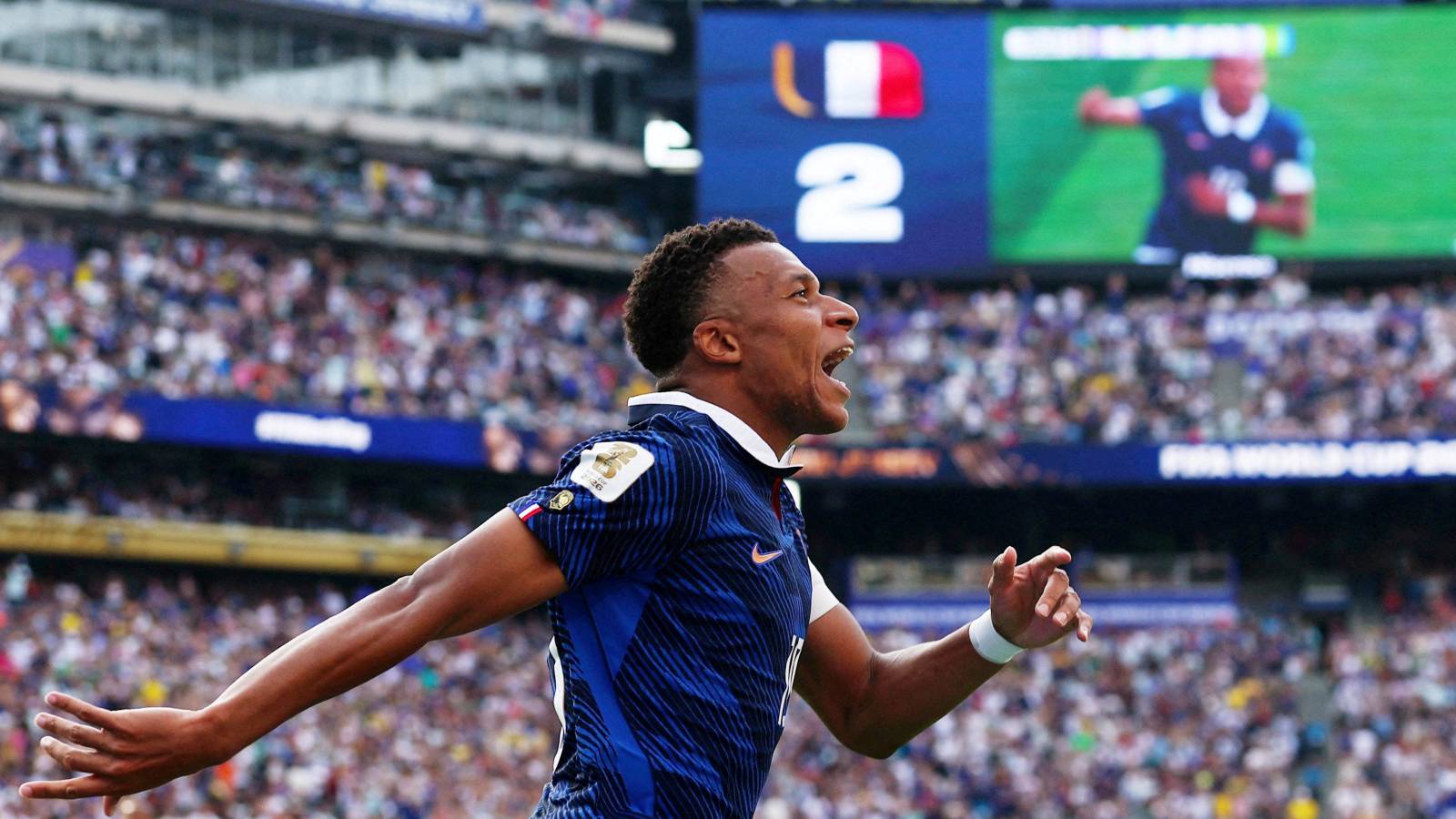
The 2026 FIFA World Cup is moving deeper into the knockout phase, but one point remains crucial: a definitive list of the final eight teams still alive cannot be confirmed from the verified material available here. What is clear, however, is that this tournament already stands apart because of its expanded 48-team format and its staging across the United States, Canada and Mexico. Those changes have reshaped both the scale and rhythm of the competition. At this stage, that broader structure is the defining story, because it has altered the route into the knockout rounds and intensified debate over which nations are best equipped to handle the demands of a larger field. As attention turns to the quarterfinals, the most reliable conclusion is not a fixed list of survivors, but the significance of a World Cup that is testing depth, adaptability and consistency on a bigger platform than ever before.
- The 2026 FIFA World Cup is being played in an expanded 48-team format.
- The tournament is co-hosted by the United States, Canada and Mexico.
- Verified material supports the existence of knockout-stage standings pages and ranking analysis tied to the round of 16 and later stages.
- One ranking ahead of the round of 16 placed France, Spain, Argentina, Brazil, England, Morocco, Portugal and Colombia in its top eight.
- A verified final list of the eight remaining teams in the tournament cannot be confirmed from the material available here.
An expanded World Cup changes the entire conversation
The first and most meaningful layer of analysis is the format itself. A 48-team World Cup does more than add participants; it changes the competitive ecosystem from the opening stage onward. It increases the number of pathways into the knockout rounds and broadens the tactical and physical challenges that leading nations must navigate. Traditional contenders are no longer judged only on whether they can peak in a short burst, but on whether they can manage a longer, more varied campaign against opponents with different styles and varying levels of familiarity. That matters now because any assessment of the quarterfinal picture has to begin with the understanding that this tournament is structurally different from previous editions.
The co-hosting arrangement across the United States, Canada and Mexico adds another layer to that challenge. A World Cup spread across three countries inevitably places a premium on recovery, travel management and squad balance, even before the pressure of knockout football fully takes hold. Teams that progress deep into the tournament are not simply surviving individual matches; they are also coping with the logistical demands of a competition staged on a continental scale. In that sense, the story of the remaining contenders is not only about quality on the ball or attacking flair, but also about resilience in a tournament environment unlike any before it.
That is why the expanded format has changed the conversation around the latter stages. In previous tournaments, the path to the quarterfinals was easier to frame through established expectations and familiar benchmarks. Here, the size of the field and the demands of the schedule create a wider range of variables. Squad rotation, game management and the ability to adapt from one opponent to the next carry even greater importance. The teams that reach this phase are being tested not just on talent, but on durability and control over a longer and more complex campaign.
What can and cannot be said about the last eight
The verified material allows for one useful point of reference: ahead of the round of 16, a separate ranking placed France, Spain, Argentina, Brazil, England, Morocco, Portugal and Colombia in its top eight. That list offers a snapshot of perceived strength at a specific moment in the tournament, reflecting the stature or form associated with those sides entering the knockout phase. However, it is important not to confuse a power ranking with a confirmed list of quarterfinalists or the final eight teams still in contention. Rankings measure expectation and momentum; they do not, on their own, establish who definitively advanced.
That distinction matters because knockout football routinely punishes assumptions. A team can look convincing through the group stage or inspire broad confidence entering the round of 16, only for one difficult tie to alter the entire picture. Conversely, a side receiving less attention can grow into the tournament and disrupt the hierarchy implied by rankings. Without a verified list of the eight remaining teams from the material provided, the responsible approach is to focus on the tournament context and the significance of those rankings as indicators of the broader competitive landscape, rather than present them as settled fact.
Even so, the names in that top-eight ranking ahead of the round of 16 are revealing in their own right. France, Spain, Argentina, Brazil, England and Portugal represent the kind of established heavyweight presence that often shapes the latter stages of a World Cup. Morocco and Colombia, meanwhile, point to the possibility of a more varied and dynamic challenge to the traditional order. That blend captures what an expanded competition can produce: a knockout field in which pedigree remains influential, but belief, structure and tournament momentum can carry enormous weight. It also underlines why there is such strong interest in the quarterfinal stage, even when the exact lineup cannot be confirmed from the verified record available here.
The mention of updated ranking analysis later in the tournament also suggests how fluid the picture has become. As the knockout rounds progress, perceptions shift quickly, and each result can dramatically alter the sense of who looks strongest, most balanced or most vulnerable. Later-stage rankings are useful because they reflect that movement, but without the underlying verified list of teams still alive, they remain analytical tools rather than definitive evidence. For readers trying to understand where the tournament stands, the key takeaway is that the World Cup has entered a phase where margins are thinner, narratives change faster and certainty is harder to claim without direct confirmation.
That uncertainty does not weaken the story; if anything, it sharpens it. The 2026 World Cup is already notable for its scale, geography and expanded field, and those elements naturally produce a more layered and less predictable knockout picture. Rather than reduce the moment to an unverified list, the stronger reading is that the competition has reached the point where every surviving team, whoever they are, must combine quality with endurance and tactical discipline. In a tournament this large and demanding, the road to the semifinals is not just about being talented enough to win once, but stable enough to keep winning as the pressure intensifies.
What comes next is the decisive stretch of the tournament, where the quarterfinal stage will define the final shape of the title race. The expanded 48-team format and the tri-nation hosting model have already made this World Cup distinctive, and the knockout rounds are now turning that structural novelty into competitive drama. Until a fully verified list of the eight remaining teams is available, the clearest conclusion is that the battle for the trophy remains framed by uncertainty, depth and the demands of a uniquely large World Cup. The teams still standing will have earned more than a place in the bracket; they will have shown they can withstand the scale of football’s biggest event in a new era.


Leave a Reply