

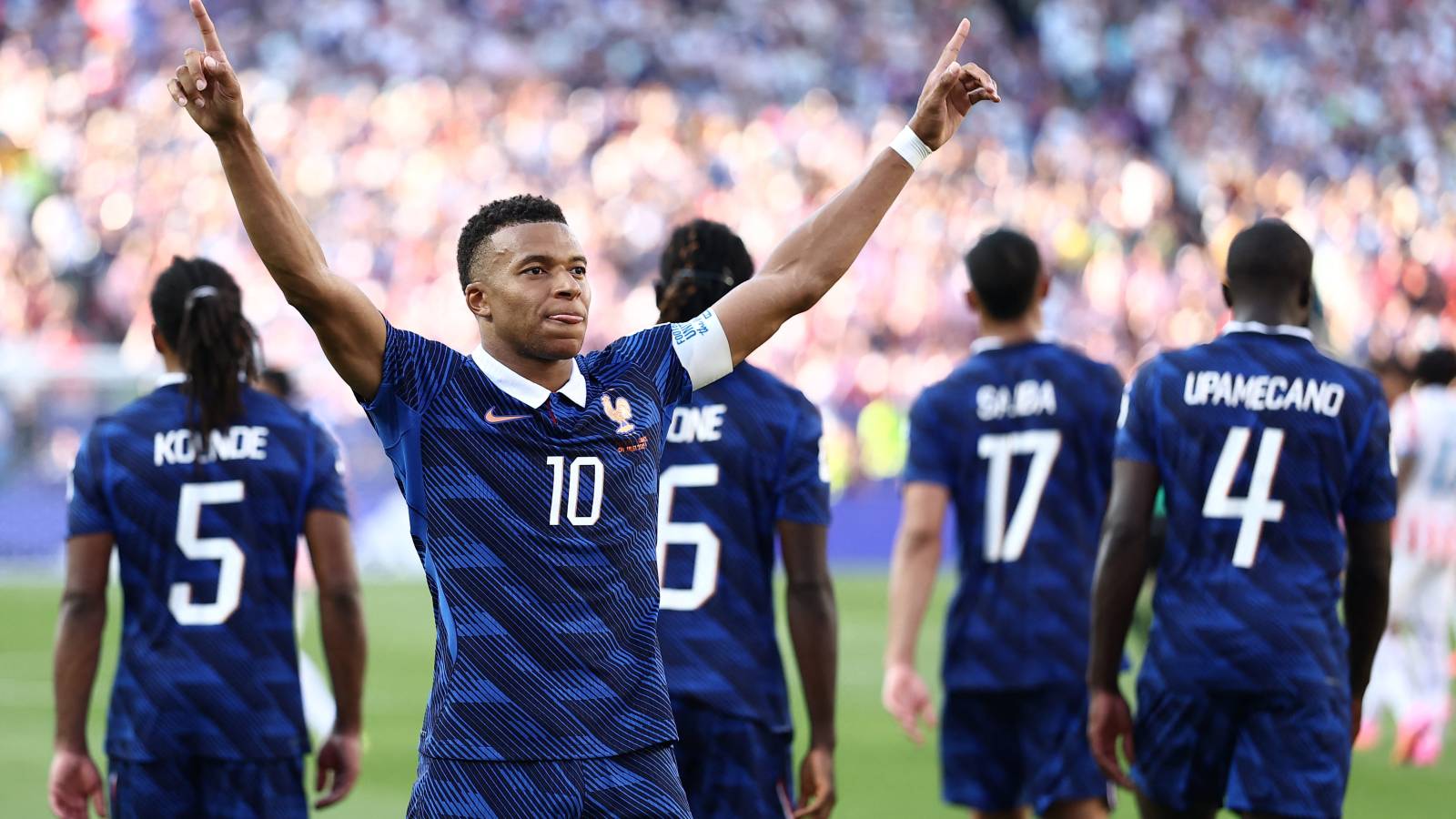
The 2026 FIFA World Cup has entered a decisive new phase, with quarter-final coverage now live and fixtures scheduled from 9 to 11 July across the United States, Mexico and Canada. That update matters because it confirms the tournament remains fully in progress, with the field reduced to the final eight and the race for the title moving into its most unforgiving stretch. At this stage of a World Cup, every match carries knockout pressure, every tactical decision is magnified and every small error can alter the path to the trophy. The standout focus is the quarter-final round itself, now firmly established as the competition’s immediate priority as the tournament reaches one of its defining moments.
- The 2026 FIFA World Cup is currently in progress.
- The tournament is being staged across the United States, Mexico and Canada.
- Dedicated coverage is active for the latest news, schedules, scores, fixtures and tournament video content.
- Quarter-final coverage is live, with fixtures listed from 9 to 11 July.
- The available verified information confirms the competition schedule and ongoing status, but does not support claims beyond that.
Quarter-finals bring the tournament into sharper focus
The confirmation of quarter-final coverage is significant because it places the tournament at the point where context becomes as important as results. By the last eight, the World Cup is no longer about finding rhythm or navigating the long arc of a group stage. It becomes a sequence of direct eliminations in which preparation, composure and in-game adaptability often matter as much as star quality. With fixtures spread across 9, 10 and 11 July, the schedule underlines that the competition is now operating on the concentrated timeline that defines the closing rounds of a major international tournament.
Just as important is the scale of the event’s setting. The United States, Mexico and Canada are all confirmed as hosts, giving this World Cup a continental footprint unlike that of a single-nation tournament. That tri-nation backdrop shapes everything from travel demands to atmosphere, adding a layer of logistical complexity that teams must manage alongside the football itself. In the quarter-finals, those margins can become critical because recovery time, preparation windows and adaptation to different environments all influence performance, even when the official focus remains on the 90 minutes and beyond.
The existence of dedicated pages for the latest news, schedules, scores and fixtures also says something about the stage the competition has reached. A World Cup deep into the knockout rounds generates constant movement: teams advance, teams depart, matchdays tighten and public attention intensifies. The active tournament video content further reflects that this is a live, evolving event rather than a retrospective package. For supporters following the competition, the quarter-final window is often where narratives begin to harden into legacy, and the verified schedule confirms that process is now underway in North America.
There is a reason this round so often feels like a dividing line in the tournament. Earlier stages can allow room for adjustment, whether through another group match or the chance to recover from an uneven performance. The quarter-finals offer no such cushion. Every decision, from team selection to game management, carries immediate consequence. That reality sharpens the pressure on players and staff alike, and it is why this stage so often produces the tension and drama that define a World Cup’s lasting memory.
What the current schedule means for the remaining contenders
Although the verified information does not identify the teams involved in the quarter-finals, the structure alone reveals the stakes for those still alive in the tournament. Reaching the last eight means each remaining side is now within touching distance of the final weekend, but it also means the margin for error has disappeared completely. There is no room left for a setback to be corrected in a later fixture, no opportunity to recover dropped points and no safety net beyond the next match. That is why quarter-finals often become tests not only of talent, but of emotional control, tactical discipline and the ability to handle moments that can swing a tournament.
From a football perspective, this stage tends to reward balance. Teams that remain in contention usually need enough attacking quality to seize a decisive moment, but also the defensive structure to survive periods of pressure when matches tighten. The compressed nature of the knockout schedule can also place a premium on squad management, especially in a tournament spread across three host nations. Even without verified details on individual squads or results, it is clear that every quarter-finalist is now confronting the same central challenge: how to produce a complete performance when the consequence of one off day is immediate elimination.
The active coverage of schedules and scores is also a reminder that the World Cup’s broader picture is changing quickly. Each quarter-final result will not simply decide one match; it will redraw the bracket, define the semi-final lineup and reshape expectations around the eventual champion. That is the unique intensity of this round. The tournament is still in progress, but the pathway is narrowing fast, and every surviving side is now operating in a space where one victory can transform belief while one defeat ends the campaign outright.
There is also wider significance in the tournament’s continued progress across the United States, Mexico and Canada. A World Cup hosted across three countries carries a sense of scale that matches the importance of the quarter-final stage. As the competition advances, attention naturally shifts from the breadth of the event to the sharpness of its final contests, and that transition is now clearly underway. The verified information does not support claims about what follows after the tournament, but it does firmly establish the key present-tense reality: the World Cup remains live, the quarter-finals are scheduled and the biggest matches so far are next on the calendar.
That combination of scale and urgency is what gives this phase its distinctive weight. The tournament still stretches across North America, but the sporting equation has become brutally simple. Win, and a team moves to within one match of the final. Lose, and the campaign is over immediately. It is a familiar World Cup truth, yet it always feels more severe once the field has been reduced to eight and the route to the trophy is fully visible.
What comes next is straightforward and compelling. The quarter-finals, listed from 9 to 11 July, will determine which four teams move to within one step of the final and which four see their World Cup dreams end. With the tournament still unfolding across North America and dedicated coverage continuing around news, scores, fixtures and video, the focus now turns to the matches that most often define a World Cup’s lasting story. The field is down to its elite core, the pressure is rising and the next few days will shape the closing chapter of the 2026 competition.


Leave a Reply