

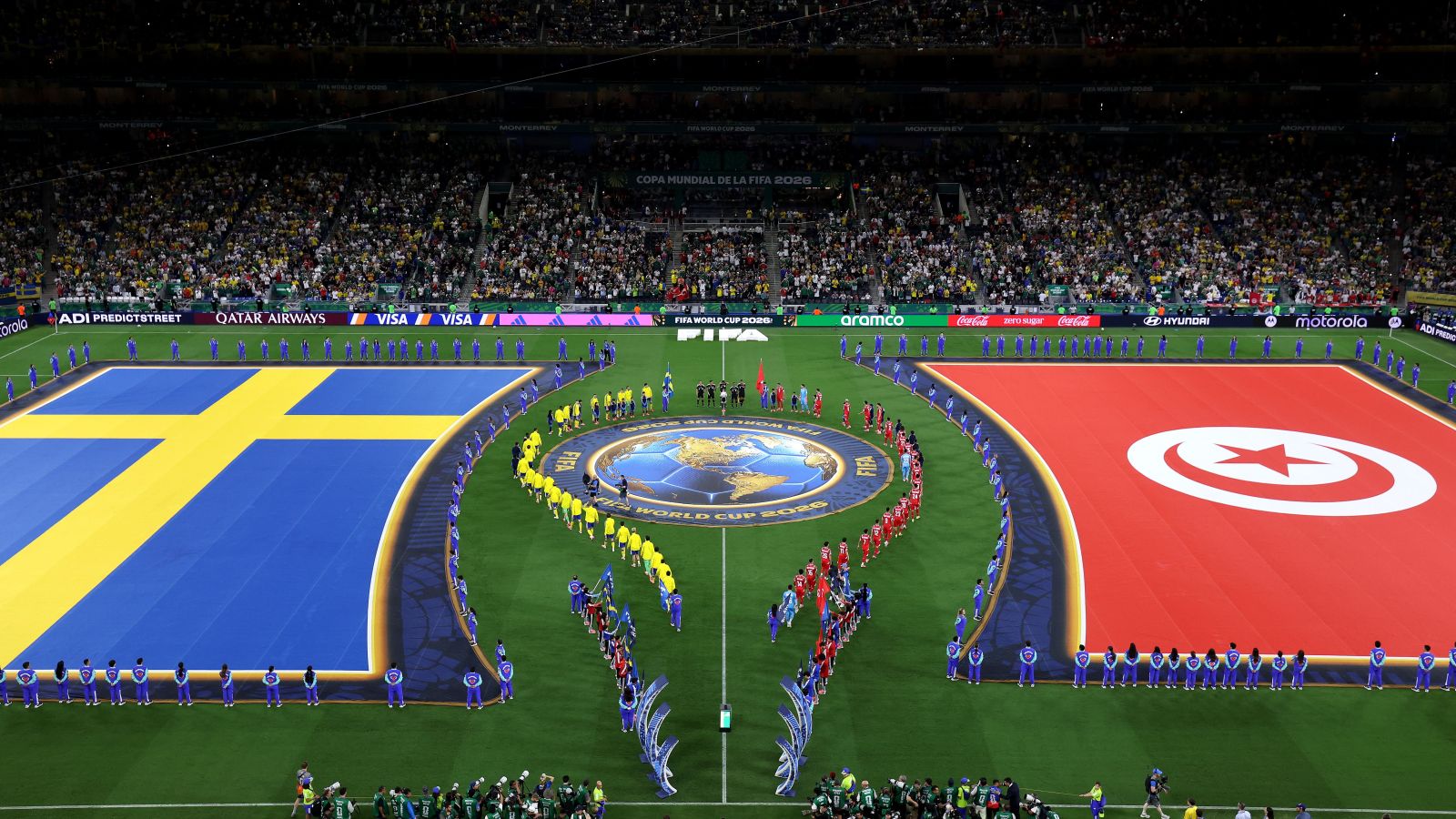
The build-up to the 2026 FIFA World Cup has been jolted by growing resistance in Europe to plans that could reshape the tournament’s commercial future, with discussions now taking place around a potential boycott if Gianni Infantino presses ahead with selling part of FIFA’s World Cup business to private investors. The issue reaches far beyond boardroom politics: any serious threat involving leading European nations would cast a shadow over the sport’s biggest event and raise fresh questions about governance, control and the balance of power within the global game. Aleksander Ceferin has emerged as the central figure in the dispute after warning that European and South American countries could boycott the World Cup if the proposal advances. At this stage, the strongest verified position is not that a boycott has been decided, but that it is actively being discussed and considered as opposition gathers momentum.
- European nations are discussing a boycott of the World Cup if plans to sell part of FIFA’s World Cup business to private investors move forward.
- UEFA is considering using the threat of a boycott of FIFA events, including the World Cup and Club World Cup, as resistance to the proposal grows.
- The proposal could involve raising $20 billion through a sale of equity to outside investors.
- Aleksander Ceferin has warned that European and South American countries could boycott the World Cup if the plan advances.
- There is no verified confirmation that UEFA will boycott FIFA tournaments; the current position is that a boycott is being discussed, not finalised.
Why the dispute matters for World Cup 2026
The significance of this standoff lies in the scale of the tournament at its centre. The World Cup is not simply another FIFA property; it is the defining asset in world football, the competition around which sporting prestige, political influence and commercial power all revolve. Any move to carve out part of that business for private investment is certain to invite scrutiny, particularly from confederations and federations that believe such a decision could alter who benefits from the game’s most valuable event. That is why the current debate has escalated so quickly from internal concern to talk of a boycott, even if that remains a threat rather than a settled course of action.
The reported structure of the proposal adds to the tension. A plan that could raise $20 billion through the sale of equity to outside investors would represent a major financial shift and naturally prompts questions about what exactly would be sold, how future revenues would be distributed and what influence investors might gain over the competition’s long-term direction. For European football leaders, that appears to be the core concern: once outside capital enters the World Cup business, the tournament may no longer be governed solely through the sport’s traditional structures. Even without every detail being public, the possibility alone has been enough to harden positions.
Ceferin’s warning gives the dispute real weight because it broadens the issue beyond Europe. The suggestion that European and South American countries could act together points to the prospect of a challenge from two of the most influential power blocs in international football. That matters because the credibility and competitive strength of a World Cup would be severely damaged if major nations from those regions were absent. Even if the warning is partly intended as leverage in a political battle, it underlines how serious the opposition has become and how high the stakes are if FIFA chooses to push ahead.
What it means for FIFA, UEFA and the road to the tournament
For FIFA, the immediate challenge is not only to defend the merits of the investment idea but also to contain the perception that the World Cup is becoming the subject of a commercial struggle rather than a sporting project. Any governing body can pursue new revenue streams, but the World Cup occupies a uniquely sensitive place in football culture, where changes to ownership or control are likely to be judged far more harshly than ordinary business decisions. If the proposal is seen as prioritising financial engineering over sporting stewardship, opposition will only deepen. That makes the political management of this issue just as important as the financial logic behind it.
For UEFA, keeping the pressure calibrated is equally important. The current verified position leaves room for manoeuvre: a boycott is being discussed and considered, but it has not been confirmed. That distinction matters because it preserves leverage while avoiding a point of no return. By stopping short of a formal commitment, European football can continue to signal its readiness to escalate while still leaving open the possibility of negotiation, amendment or retreat. In that sense, the boycott threat is both a warning and a bargaining tool, aimed at forcing a rethink before the conflict becomes irreversible.
The mention of the Club World Cup alongside the World Cup also shows that this is not an isolated disagreement over one tournament. It suggests a broader contest over FIFA’s expanding commercial and competitive ambitions, and over how far the governing body can go without the support of its most powerful stakeholders. If UEFA is prepared to link multiple FIFA events in its response, then the dispute is really about influence across the international calendar and the future shape of football’s global economy. The World Cup may be the most dramatic pressure point, but the underlying argument appears much wider.
There is also a strategic reason why the language around this issue must remain precise. Saying that UEFA will boycott FIFA tournaments would overstate what is currently verified and imply a finality that does not yet exist. The stronger, supported description is that discussions are taking place and that the threat is under consideration as resistance grows. That may sound like a subtle difference, but in football politics it is a major one. A confirmed boycott would signal a breakdown in relations; a discussed boycott signals a confrontation that is serious, but still potentially containable.
As the 2026 World Cup approaches, the next phase will be defined by whether FIFA presses on with the investment plan or seeks to ease the backlash before the dispute hardens further. European nations have made clear that the idea of selling part of the World Cup business is not being treated as a routine commercial step, and Ceferin’s warning has ensured that the consequences of moving ahead are now impossible to ignore. For now, the tournament is not facing a confirmed boycott, but it is facing a significant political threat at a sensitive moment. What happens next will shape not only the atmosphere around World Cup 2026, but also the future balance between football’s governing bodies and the commercial forces seeking to enter the game’s biggest stage.
Leave a Reply