

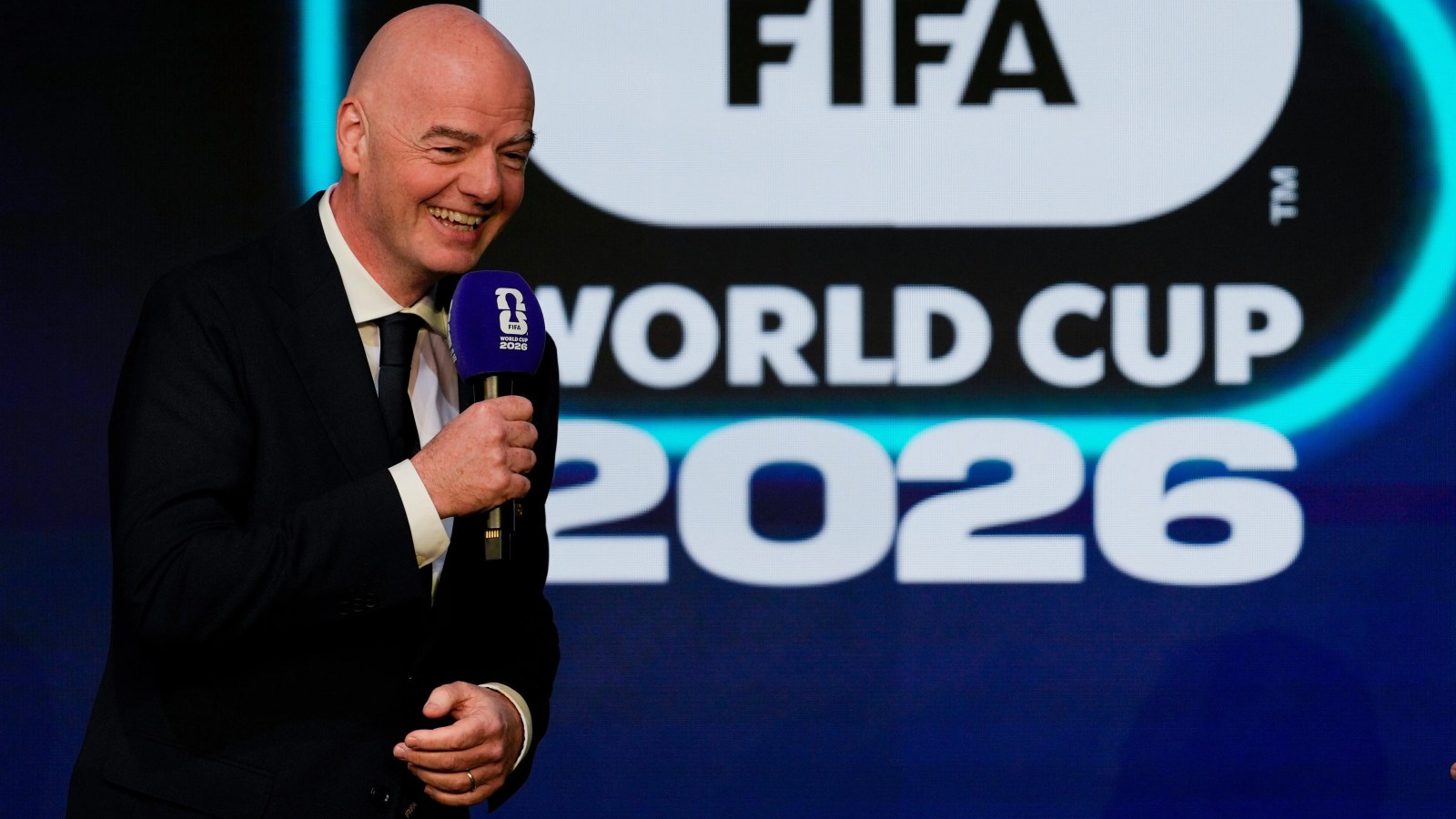
UEFA has maintained its threat to boycott FIFA competitions, including the 2026 World Cup, despite FIFA retreating from a fiercely disputed plan and Gianni Infantino issuing an apology. The standoff remains significant because it preserves the possibility of a major rupture between world football’s governing body and Europe’s most powerful confederation at a time when preparations for future global tournaments should be accelerating. At the centre of the dispute is Infantino, whose leadership remains under intense scrutiny after a proposal to sell World Cup profits to private investors triggered a sharp backlash. Even after that reversal, UEFA’s position has not softened, underlining that this conflict is as much about trust, governance and control as it is about the abandoned commercial proposal itself.
- UEFA says the conditions to lift its boycott threat have not been met, despite FIFA reversing course on the disputed plan.
- Gianni Infantino has issued an apology, but UEFA still says it lacks confidence in his presidency.
- The dispute stems from Infantino’s plan to sell World Cup profits to private investors, which prompted a strong backlash.
- UEFA’s 55 member nations have unanimously backed a boycott of FIFA competitions.
- The potential boycott is not limited to the men’s World Cup and could affect future FIFA events more broadly.
Why the dispute still matters
The immediate significance of UEFA’s stance is straightforward: FIFA’s reversal has not delivered the reset many might have expected. In many sporting disputes, withdrawing the most controversial part of a proposal is enough to create space for compromise. That has not happened here. UEFA’s message is that the deeper issues remain unresolved and that Infantino’s apology has not restored confidence in his presidency. That leaves the conflict in a more serious place, because it suggests the row is not simply about one failed policy but about FIFA’s direction under its current leadership.
For the 2026 World Cup, the threat carries obvious weight even without a final decision. UEFA represents the strongest and deepest pool of national teams in the global game, and any prolonged confrontation involving all 55 of its member associations would cast a shadow over the tournament’s credibility, competitive strength and political stability. The fact that those 55 nations have unanimously backed a boycott threat reflects a striking degree of unity on the European side. That unanimity also strengthens UEFA’s negotiating position, because it signals that this is not a narrow executive-level disagreement but a confederation-wide stand against the way FIFA sought to handle one of its most valuable assets.
The wider importance of the dispute lies in what it reveals about the balance of power in international football. FIFA may sit at the top of the global structure, but UEFA’s competitive and commercial influence gives it exceptional leverage when relations deteriorate. By refusing to lift the threat after FIFA’s climbdown, UEFA is making clear that it wants more than a symbolic concession. It is pressing for a deeper response to concerns that go beyond the abandoned proposal and into the way major decisions are formed, presented and defended.
That is why the issue continues to resonate beyond the immediate headlines. A disagreement of this scale, involving the governing body of world football and its most influential confederation, inevitably affects the atmosphere around every major decision still to come. Instead of drawing a line under the matter, FIFA now faces a period in which trust must be rebuilt under pressure, with UEFA showing little sign that it is prepared to move on quickly. As long as that remains the case, the threat itself carries weight, even before any formal boycott is triggered.
Trust, money and control at the heart of the row
The original trigger for the crisis was Infantino’s plan to sell World Cup profits to private investors, an idea that immediately struck at the heart of football governance. The World Cup is not only FIFA’s flagship competition; it is also the financial engine that shapes the sport’s global balance of power. Any move to redirect or restructure the profits generated by that tournament was always likely to provoke alarm, especially among stakeholders concerned about transparency, accountability and long-term control. UEFA’s response makes clear that the backlash was not merely emotional or symbolic, but rooted in the belief that the proposal crossed a line in the stewardship of the game’s premier event.
That context helps explain why FIFA’s retreat has not closed the matter. Once a governing body advances a plan of this scale and then withdraws it only after heavy resistance, doubts inevitably linger over whether the idea has been abandoned in principle or merely shelved for now. UEFA’s insistence that the conditions to lift the boycott have not been met reflects exactly that concern. In effect, the confederation is saying that reversing one decision does not automatically restore faith in the judgment that produced it in the first place. In that sense, the apology has not answered the larger questions about how major decisions are conceived and who is expected to live with their consequences.
There is also a broader struggle over authority embedded in this dispute. FIFA governs the global game, but UEFA’s economic power and competitive influence give it enormous leverage whenever relations break down. By keeping the boycott threat in place, UEFA is signalling that it is willing to use that leverage rather than settle for a narrow concession. The significance of that stance extends well beyond one tournament cycle, because it raises the stakes for every future negotiation between FIFA and its most influential confederation. If confidence in Infantino’s presidency remains this low, then every major FIFA initiative involving competition structure, commercial rights or revenue distribution may now be viewed through a far more confrontational lens.
The potential consequences stretch beyond the men’s World Cup alone, which is another reason the story carries such importance. The boycott threat could affect future FIFA events beyond that tournament, turning a single governance dispute into a wider institutional crisis. That possibility increases the pressure on FIFA because it suggests the damage is not confined to one flashpoint but could spill across the broader calendar and reshape relationships throughout the international game. For UEFA, maintaining that pressure appears to be a way of forcing a deeper reckoning over leadership and decision-making rather than accepting a narrow fix tied only to the abandoned investment plan.
From FIFA’s perspective, the challenge now is not simply to move on from a failed proposal but to rebuild legitimacy with a confederation that has openly said it still lacks confidence in the president. That is a far harder task than issuing an apology or shelving a plan, because confidence is earned through process as much as outcome. UEFA’s position indicates that, in its view, the process around the World Cup profits proposal was serious enough to justify an ongoing threat of withdrawal. As long as that view holds, the 2026 World Cup will remain part of a larger political contest over who controls football’s future and how far commercial innovation can go before it collides with the game’s governing principles.
What happens next will depend on whether FIFA can offer more than a reversal and an apology. UEFA has left no doubt that it believes the threshold for restoring normal relations has not yet been reached, and the unanimous backing of its 55 member nations gives that position unusual force. That means the boycott threat remains live not only over the 2026 World Cup but over future FIFA competitions as well. Until confidence is rebuilt, this dispute will continue to hang over the international calendar as one of the defining governance battles in world football.
Leave a Reply