


Sporting Lisbon faces an unexpected obstacle as a shortage of police personnel prompts the postponement of a crucial match. The article highlights the unique challenges posed by the shortage, emphasizing the broader implications for both the football club and the authorities.
The narrative explores the reasons behind the police shortage, providing insights into the circumstances that led to the decision to postpone the match. Concerns about security and public safety take center stage, underscoring the complex interplay between sports events and law enforcement.
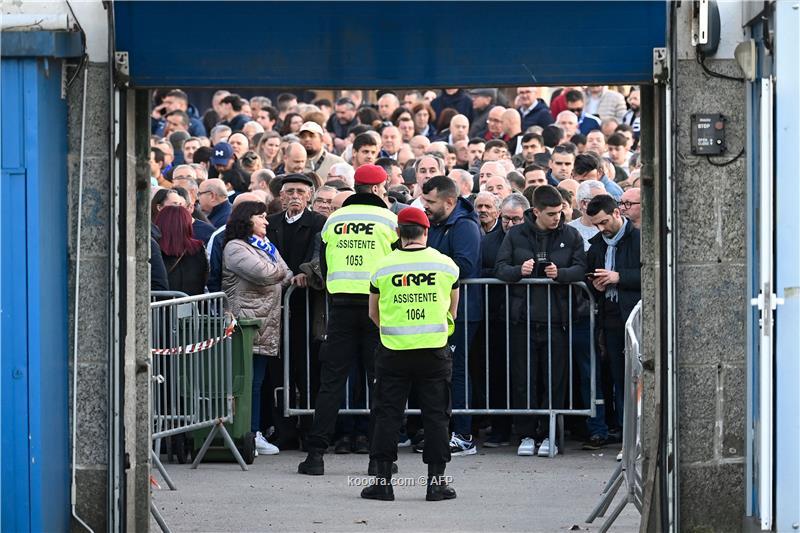
The article delves into the impact on Sporting Lisbon, examining how the postponement affects the team’s schedule, performance, and the morale of players and fans. It sheds light on the ripple effects of such logistical disruptions in the tightly scheduled world of professional football.
In the context of broader societal issues, the article reflects on the challenges faced by law enforcement agencies in managing public events, particularly in the realm of sports. It discusses the delicate balance between ensuring safety and maintaining the smooth functioning of sports competitions.
Efforts to address the police shortage and reschedule the match become a focal point, highlighting the collaborative approach required from both the football authorities and law enforcement agencies. The article provides updates on the steps being taken to mitigate the impact and restore normalcy to the sporting calendar.
Concluding paragraphs contemplate the potential long-term consequences of such incidents on the relationship between sports organizations and law enforcement. The article prompts reflection on the need for robust planning and coordination to prevent similar disruptions in the future.
In summary, the article unravels the story of Sporting Lisbon’s match postponement due to a police shortage, shedding light on the multifaceted challenges faced by football clubs and law enforcement agencies in ensuring the smooth execution of sports events.

Leave a Reply