

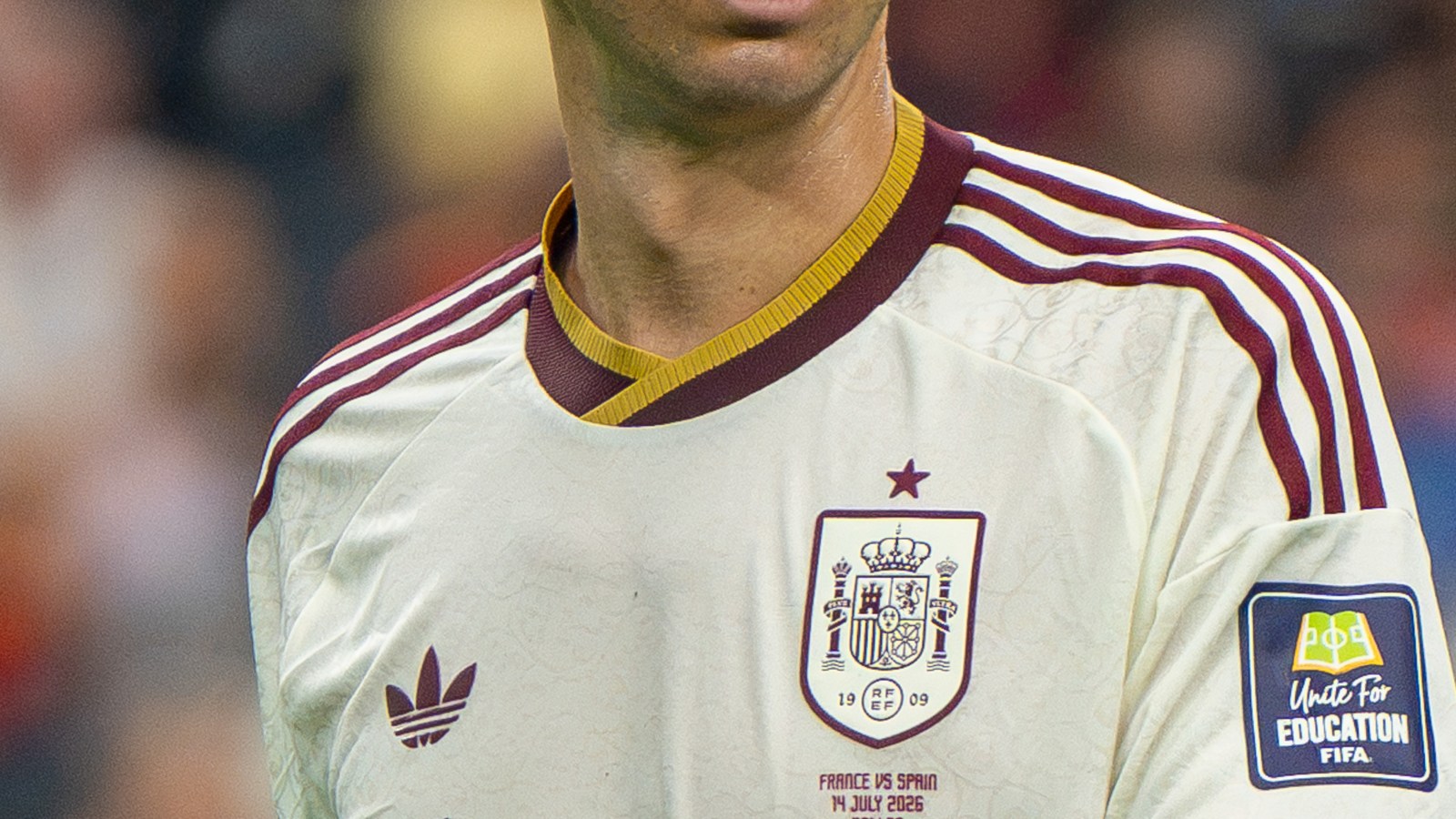
Fabian Ruiz and Gavi have received one of the most distinctive hometown tributes imaginable after Spain’s World Cup triumph, with both players awarded tomatoes equal to their body weight in Los Palacios y Villafranca. The gesture underlined the bond between the Spain internationals and the town that claims them, turning a global football success into a deeply local celebration. Ruiz emerged as the standout figure in the ceremony simply by scale, with reported weigh-ins placing him at roughly 185 to 187 pounds, while Gavi was listed at around 150 to 151 pounds, with one result also recording him at 68.5 kilograms. More than a novelty, the reward reflected a local tradition and gave Spain’s title-winning moment an unmistakably personal touch.
- Fabian Ruiz and Gavi were given tomatoes equal to their body weight after Spain’s World Cup triumph.
- The tribute came from their hometown of Los Palacios y Villafranca in Spain.
- The tomatoes were presented as a local gift linked to the town’s tradition.
- Reported weigh-ins placed Ruiz at about 185 to 187 pounds.
- Reported weigh-ins placed Gavi at about 150 to 151 pounds, with one listing also recording him at 68.5 kg.
A hometown celebration with a local identity
What makes the story resonate is the way it connects football’s biggest stage to a specific place and a specific custom. Spain’s World Cup triumph is, by definition, a national achievement, but Los Palacios y Villafranca marked it in a way only this town could. Rather than relying on a generic civic honour, the community turned to a gift that reflects its own identity, using tomatoes as the symbol of recognition. That choice gave the celebration texture and meaning, showing how football victories often become most memorable when they are absorbed into local culture.
The tribute also speaks to the enduring importance of hometown recognition in elite football. Players can spend much of their careers moving through academies, major cities and international tournaments, but moments like this pull the story back to where it began. For Ruiz and Gavi, the tomatoes were not simply produce measured out for spectacle; they represented belonging, memory and the pride of a community that sees its own journey reflected in their success. In that sense, the ceremony was about more than reward, framing Spain’s World Cup win as something shared between the players and the place that helped shape them.
Why the gesture matters beyond the novelty
There is an obvious visual appeal to the idea of footballers being handed their weight in tomatoes, and that alone ensures the tribute stands out. Yet the most important detail is the tradition behind it. The tomatoes were presented as a local gift tied to the town’s customs, which means the ceremony was not improvised for attention but rooted in an established sense of communal pride. That grounding matters because it turns what could have been a quirky post-tournament anecdote into a meaningful act of recognition.
The reported weigh-ins add another layer to the story because they make the celebration concrete. Ruiz’s total was placed at about 185 to 187 pounds, while Gavi’s was reported at around 150 to 151 pounds, with one listing also recording him at 68.5 kilograms. Those figures may seem like small details, but they reinforce the literal nature of the tribute: this was not a symbolic basket or a ceremonial token, but a measured gift matched to each player. The precision of the weigh-ins gave the event a playful edge while preserving the seriousness of the honour being paid.
For Spain, stories like this help define how a World Cup triumph lives on after the immediate celebrations fade. Trophies and medals belong to the official record, but local ceremonies often shape the emotional memory of a victory. Ruiz and Gavi being welcomed through a tradition from Los Palacios y Villafranca gives Spain’s success a human dimension that statistics and match reports cannot provide on their own. It shows how international football achievements are ultimately carried home, where they are translated into the customs, symbols and rituals that matter most to ordinary supporters.
There is also significance in the fact that two players from the same hometown were honoured together. That detail strengthens the sense of collective pride, because the town was not celebrating a single isolated success but a shared contribution to Spain’s World Cup-winning story. Ruiz and Gavi stand at different stages of their careers, yet this tribute placed them side by side as representatives of Los Palacios y Villafranca on the world stage. The image of both receiving tomatoes by body weight captured not only individual recognition, but also the idea that one community can leave a remarkable imprint on the national team.
From a broader football perspective, the ceremony is a reminder that the sport’s biggest moments are sustained by local roots. International tournaments create icons, but those icons remain tied to the towns and traditions that first embraced them. In Los Palacios y Villafranca, the response to Spain’s World Cup triumph was not abstract or distant; it was tangible, measured and unmistakably local. That is why the gesture landed so well: it celebrated achievement without losing sight of identity, and it honoured two Spain players in a language their hometown knows best.
The road ahead is unlikely to feature many rewards as unusual as this one, but that is precisely why the moment will endure. Ruiz and Gavi now carry a World Cup triumph that has already been folded into the traditions of Los Palacios y Villafranca, giving their success a lasting hometown imprint. As Spain looks to build on its title-winning moment, this celebration offers a vivid reminder that the legacy of victory is shaped not only in stadiums, but also in the communities that claim those players as their own. For Ruiz and Gavi, the tomatoes were a gift, a symbol and a homecoming all at once.



Leave a Reply