

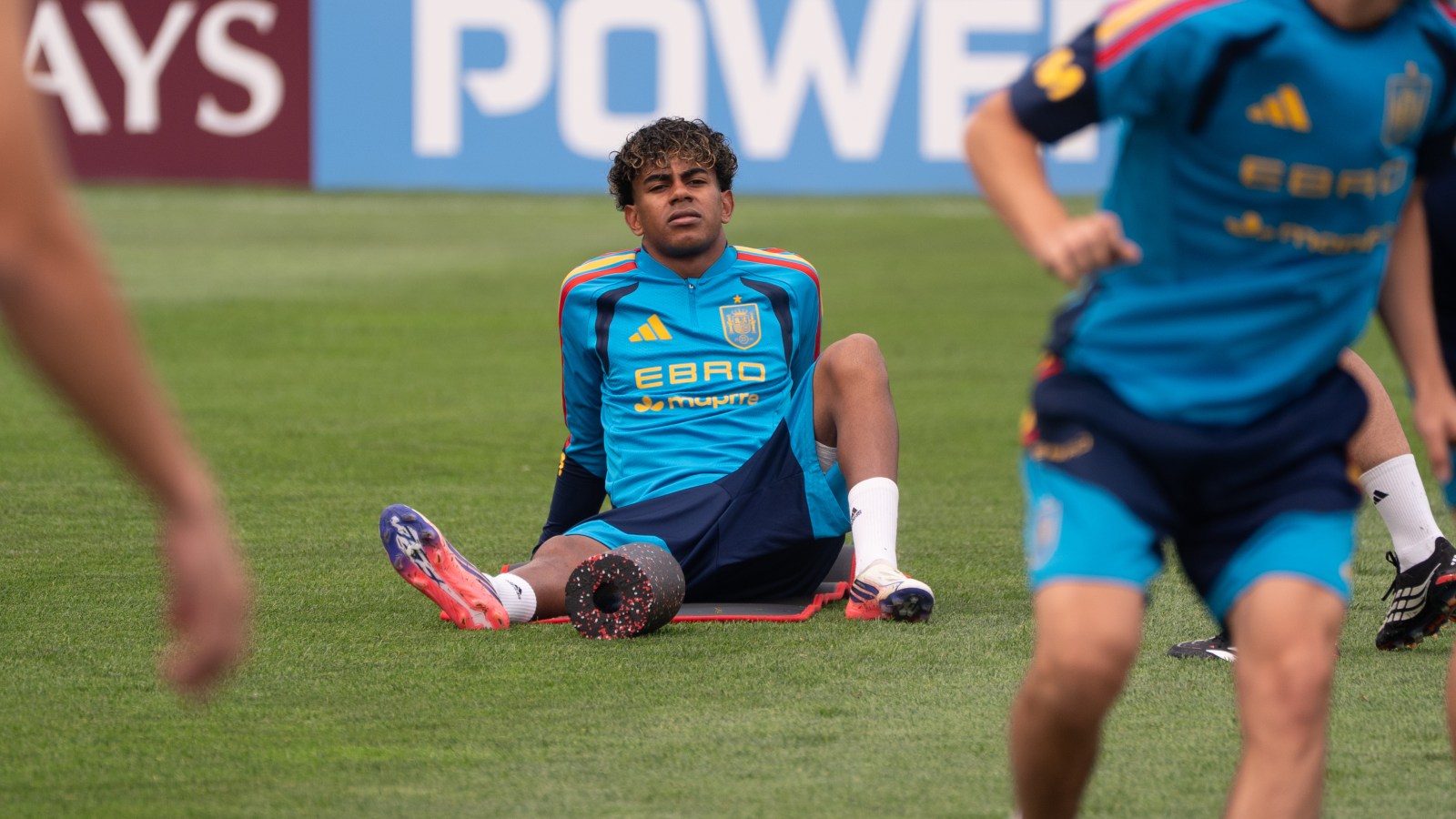
Spain’s triumph at the 2026 FIFA World Cup brought a landmark tournament to a close, sealing the first edition to feature 48 teams and to be staged across three host countries. That combination of expansion and shared hosting gave this World Cup a distinctly new identity, broadening the field and extending the competition’s reach in ways that will shape debate long after the final. Spain ultimately became the tournament’s defining story because they did more than simply lift the trophy: they came through a World Cup shaped by unfamiliar demands and emerged as the last team standing. In that sense, their success was not just a championship victory, but a statement of adaptability in a tournament that asked more questions of every contender.
- Spain finished the 2026 FIFA World Cup as champions.
- The 2026 tournament was the first FIFA World Cup to feature 48 teams.
- The competition was staged across three host countries.
- The expanded format made the tournament larger than previous editions.
- Spain’s title stands as the defining sporting outcome of a World Cup marked by structural change.
A tournament that changed the shape of the World Cup
The most important backdrop to Spain’s title was the competition’s expanded format. Moving to 48 teams changed the rhythm and scale of the World Cup, creating a broader field and a competitive landscape unlike those of previous editions. More nations took part, increasing the number of storylines and raising the degree of difficulty for established powers trying to maintain consistency over a longer, more complex campaign. Spain’s achievement has to be judged through that lens, because winning the trophy in a larger tournament required not only quality but also the capacity to handle a wider range of opponents and circumstances.
The three-country staging added another layer to that challenge. A World Cup spread across multiple host nations naturally brings logistical demands, shifting atmospheres and a tournament experience that feels less rooted in a single national setting than in the past. That can affect preparation, recovery and the emotional rhythm of a campaign, especially as teams move through different venues and environments. Spain’s success pointed to a side that handled those variables with authority, maintaining focus while the competition unfolded on a scale that was new even by World Cup standards. In a tournament already notable for its expansion, the multinational hosting only reinforced the sense that 2026 represented a turning point.
That broader context is what gives this edition its place in football history. The World Cup has always carried the weight of global expectation, but this version arrived with a different kind of scrutiny because it tested whether the tournament could grow without losing its competitive edge. Expansion brought opportunity, but it also introduced uncertainty about how the event would feel, how it would flow and whether the demands on elite teams would intensify. Spain’s title run unfolded against all of that, making their success part of a larger story about how the sport’s biggest competition is evolving.
The scale of the tournament also changed the way achievement is measured. In a smaller field, champions are judged mainly by the quality of their football and the strength of the opponents they overcome. In this edition, those standards remained, but they were joined by new demands tied to endurance, adaptation and the ability to stay composed across a more expansive event. Spain met those demands in full, and that is why their title carries significance beyond the final result. They were not only the best team at the end; they were the team that best navigated a World Cup built on a new framework.
Why Spain’s title carries extra weight
Spain’s championship will be remembered not only because they won, but because of what their victory represented in the context of this particular World Cup. Every champion benefits from talent, discipline and timing, yet this edition demanded an added level of resilience because the format itself widened the margin for disruption and increased the number of potential complications. A larger field means more teams with different styles, more pressure across a prolonged schedule and more opportunities for momentum to shift. Spain’s ability to come through that environment and finish on top gives their title a broader significance than a routine tournament success. They became the team that best mastered football’s newest global stage.
That matters for the wider international game as much as it does for Spain. The 2026 World Cup offered an early test of how traditional powers would respond to a competition that is more inclusive and more demanding at the same time. Spain answered that challenge emphatically by ending the tournament as champions, setting a benchmark for what success looks like in the 48-team era. Their victory will inevitably become a reference point whenever future editions are discussed, because they were the first to solve the puzzle of this expanded format. Being the inaugural winners under a new structure gives the title a historical edge that extends well beyond the medal ceremony.
For other nations, Spain’s success is likely to prompt reflection as much as admiration. The wider tournament offered more routes into the competition for teams around the world, but it also raised the standard required to survive its full length and complexity. That is the tension at the heart of the 2026 edition: broader access on one side, and a potentially tougher road to the trophy on the other. Spain emerged as the clearest proof that ambition in this new format still has to be matched by sustained excellence. Their title underlines that expansion may change the map of the World Cup, but it does not lessen the demands of becoming champions.
There is also a symbolic dimension to the way this tournament concluded. Major format changes often arrive with uncertainty, from questions about competitive balance to concerns over whether the essence of the World Cup can remain intact as the event grows. Spain’s victory gave the competition a strong sporting conclusion, providing the first 48-team edition with a clear and credible champion. That matters because the success of any structural shift is judged not only by logistics and participation, but by whether the football still delivers a compelling climax. With Spain lifting the trophy, the 2026 World Cup ended with a sense of sporting authority that helps define this edition as more than an experiment.
Looking ahead, the legacy of 2026 will rest on two connected realities: the World Cup is now larger than it was before, and Spain are the first champions of that new era. Future tournaments will build on the model introduced here, and every team with title ambitions will measure itself against the standard Spain established. The expanded field and three-country hosting ensured that this edition stood apart from its predecessors, but it was Spain’s triumph that gave the tournament its lasting sporting identity. When the history of this World Cup is told, those elements will remain inseparable. It was the competition that changed the framework of the global game, and Spain were the side that turned that moment of change into championship glory.


Leave a Reply