

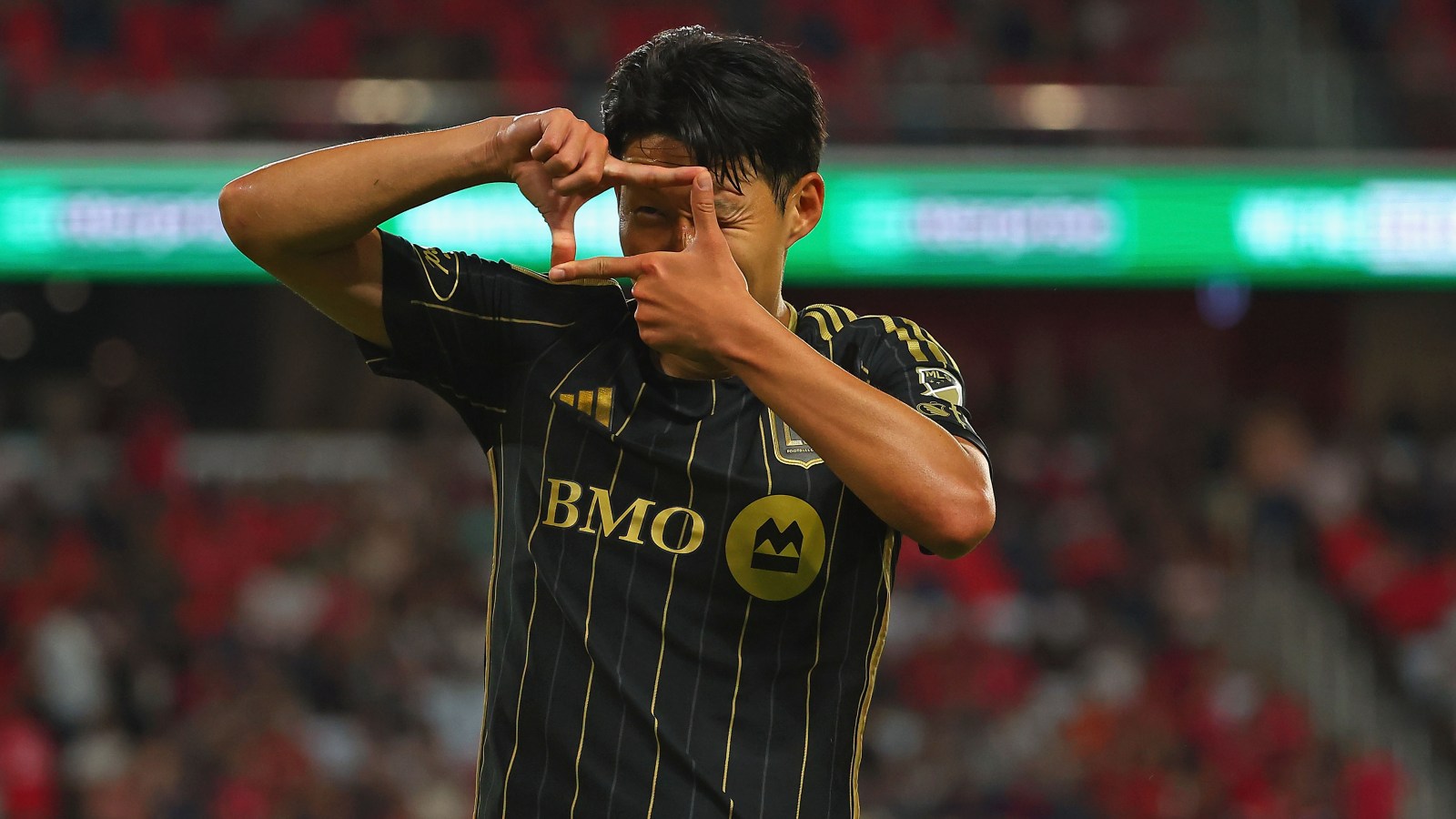
Son Heung-min took center stage at the 2026 MLS All-Star Game, earning MVP honors after emerging as the standout performer in the MLS side’s victory over Liga MX’s All-Stars. The result underlined his influence in a showcase built around elite attacking talent, with Son widely regarded as MLS’s brightest player on the night. Individual awards in exhibition matches can sometimes feel secondary, but this one carried added significance because it reflected who most clearly shaped the rhythm and quality of the contest. It also placed Son in notable company, making him the second Korean player to win MLS All-Star MVP after Park Ji-sung in 2011.
- Son Heung-min was named MVP of the 2026 MLS All-Star Game.
- He starred for the MLS side in a win over Liga MX’s All-Stars.
- Son was regarded as the brightest player for MLS during the match.
- He became the second Korean player to win MLS All-Star MVP after Park Ji-sung in 2011.
Son sets the tone on the biggest stage of the night
The All-Star Game is designed to celebrate attacking flair, technical quality and personality, and Son’s performance appeared to capture all three. Being named MVP in this setting means more than producing a single eye-catching moment; it points to a display that consistently stood out across the evening. The verified details establish that he was central to MLS’s success against Liga MX’s All-Stars, a meaningful distinction in a fixture that blends entertainment with a competitive edge between two closely watched leagues. When a player is recognized as the brightest figure in a match of this profile, it reflects not only quality, but command of the occasion.
That command matters because the MLS All-Star Game remains one of the league’s most visible annual events. It is a stage where reputation, form and star power intersect, and where every touch is magnified by the setting. Son’s MVP award therefore stands as both a match-night honor and a broader statement about his impact in a high-profile environment. Even without a full statistical breakdown here, the established facts are enough to show that he was the defining individual in a winning team performance.
For MLS, having its most influential player on the night also deliver the clearest individual display adds to the significance of the result. Victories over Liga MX opposition in this format carry symbolic value because they feed the ongoing conversation about quality, identity and competitive standards across North American club football. Son’s starring role gave the MLS side a focal point and a performer capable of elevating the spectacle. The fact that he left with the MVP award confirms that his influence was not peripheral, but central to the way the game unfolded.
A landmark moment with wider significance
There is also a historical dimension to Son’s recognition that gives the night added resonance. By becoming the second Korean player to win MLS All-Star MVP after Park Ji-sung in 2011, he joined a very short list and added another layer of meaning to an already notable performance. That link to Park matters because it connects two major Korean football figures across different eras and different versions of the all-star stage. It turns the award from a one-night accolade into a milestone with broader cultural and sporting relevance.
The significance of that achievement extends beyond nationality alone. Son has long been associated with high standards, leadership and attacking quality, and this award fits naturally within that profile because it recognizes his ability to deliver under attention and expectation. In all-star matches, where chemistry can be improvised and the tempo can shift quickly, the players who stand out are often those who can simplify the game for everyone around them. The verified details do not provide a play-by-play account of his contributions, but the MVP designation and the description of him as MLS’s brightest player strongly suggest that he provided exactly that kind of clarity and spark.
It is also important to stay grounded in what is fully supported by the available material, which keeps the focus on the essentials: Son was the outstanding player of the night, he helped MLS beat Liga MX’s All-Stars, and he collected the MVP trophy. Those facts alone are substantial. They tell the story of a player who did not merely participate in a showcase event, but decisively enhanced it. In a match built to entertain and to measure elite talent against elite talent, Son emerged as the standard everyone else was chasing.
For Liga MX’s All-Stars, the result will sting because these occasions are about more than exhibition value. They offer a chance to assert the strength of the league’s top-end talent in direct comparison with MLS, and losing while the opposition’s marquee performer claims MVP only sharpens that disappointment. Without verified details on the decisive passages of play, it would be wrong to overstate exactly where the game turned, but the broader picture is clear: MLS had the standout individual, and that often proves decisive in matches of this kind. Son’s influence gave the MLS side a level of authority that Liga MX’s All-Stars could not match on the night.
Looking ahead, the clearest takeaway from this game is how completely Son owned the occasion. The MLS All-Star Game always seeks a performance that can define the event and give it a memorable face, and this year that role belonged to him. His MVP award, the victory over Liga MX’s All-Stars and the historical note of becoming the second Korean winner combine to create a complete and compelling story. For MLS, it is a celebratory result with a clear headline figure; for Son, it is another high-profile reminder of his capacity to rise above the field when the spotlight is at its brightest.



Leave a Reply