

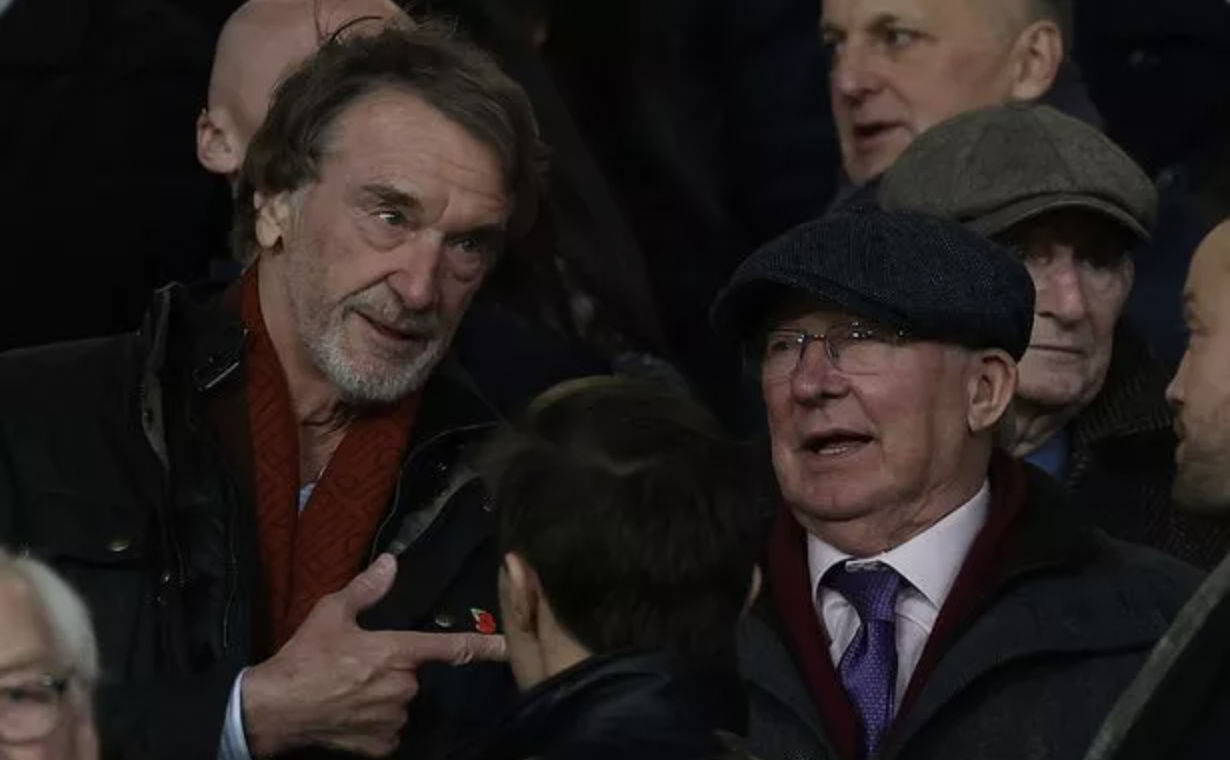
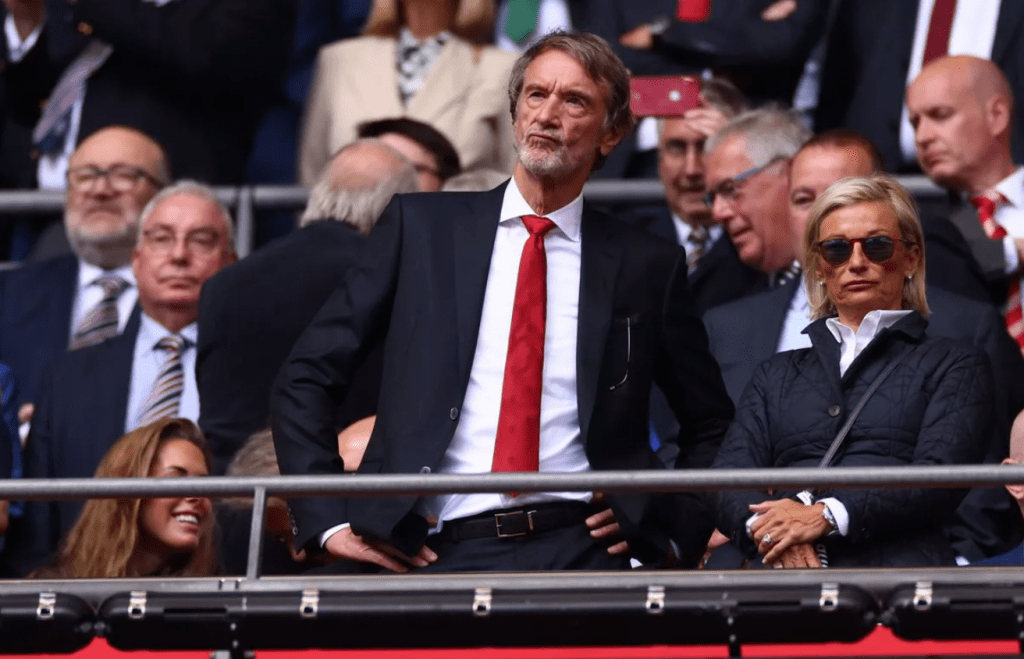
Manchester United is undergoing significant changes under the stewardship of Sir Jim Ratcliffe, who took control of football operations after acquiring a minority stake in December. With a pledge to restore sporting success to Old Trafford, Ratcliffe is implementing bold changes, including appointing new executives and ordering all employees back to the club’s offices.
One of Ratcliffe’s controversial decisions is to ban staff not directly involved with the first team from using the main canteen. Instead, they will dine in a separate area, following summer refurbishments. This move aims to create an elite environment focused on the performance of the first team squad.
However, Ratcliffe’s decision diverges from the philosophy of legendary manager Sir Alex Ferguson, who emphasized a culture of togetherness at the club. Ferguson believed in forming personal connections with all staff, regardless of their role, fostering a sense of belonging and unity.
In his autobiography and subsequent book, Ferguson emphasized the importance of inclusivity, encouraging interaction between players and staff from all departments. He drew inspiration from Marks & Spencer’s practice of providing free lunches to staff, recognizing the value of fostering camaraderie and collaboration within the club.
Ratcliffe’s move has sparked debate among fans and pundits, with some questioning its impact on the club’s culture and unity. While Ratcliffe aims to elevate the first team’s environment, critics argue that it may alienate non-playing staff and undermine the ethos of inclusivity fostered by Ferguson.
As Manchester United navigates this period of transition, the clash between tradition and innovation under scores the challenges of modernizing a storied football institution while preserving its core values and identity. Ratcliffe’s vision for success may require balancing innovation with respect for the club’s rich history and traditions.

Leave a Reply