

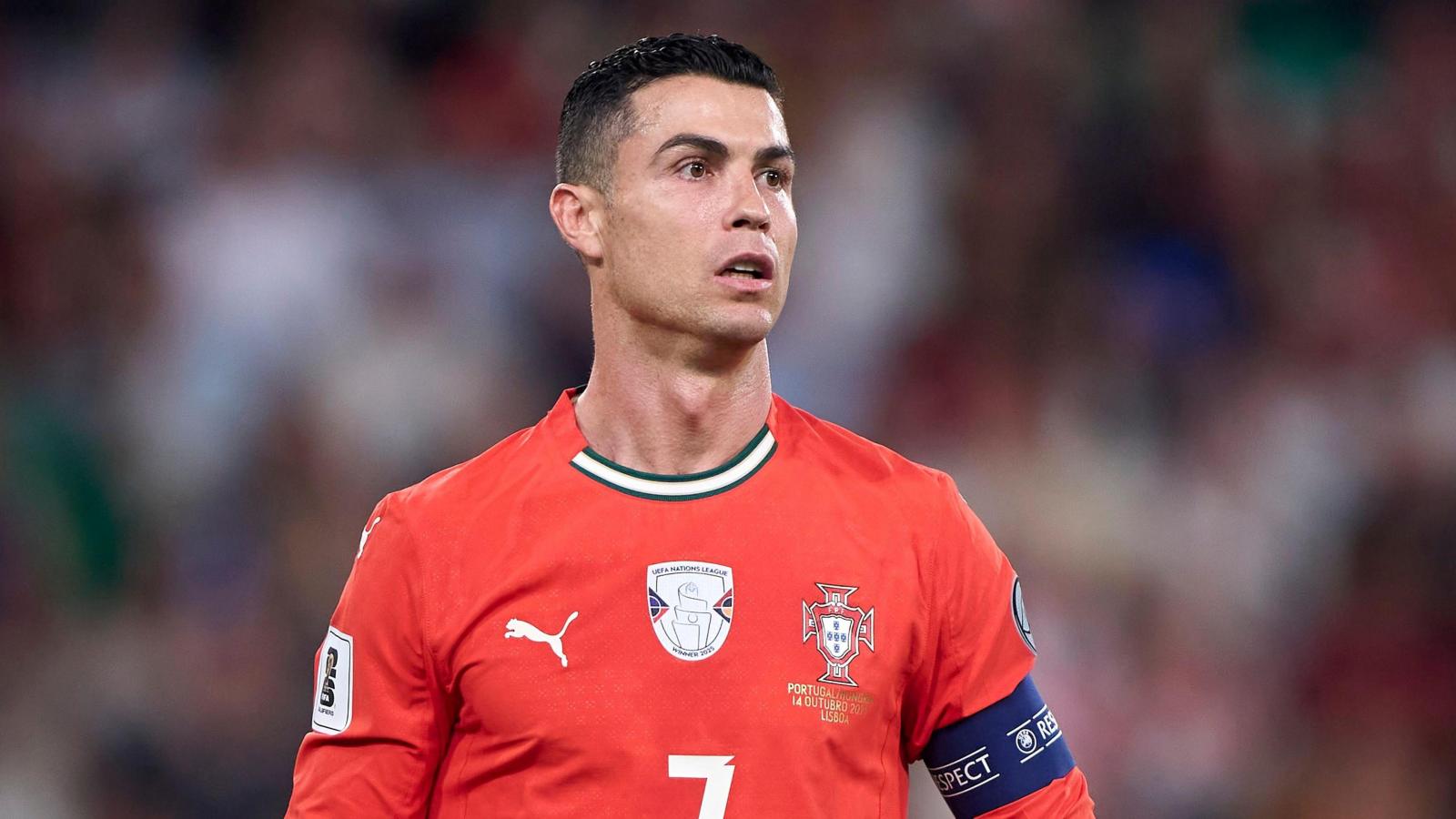
Portugal’s involvement in the 2026 FIFA World Cup is confirmed, but the most attention-grabbing claim surrounding the team is not. Cristiano Ronaldo remains central to the conversation because of his stature and influence, yet there is no verified basis in the available research to state that he has announced he has played his last World Cup match or that he has ruled out making any immediate decision on his Portugal future. What is clear is that Portugal are part of the tournament, they have fixtures listed, and they have played matches during the competition. In a World Cup where every development is amplified, the distinction between confirmed tournament facts and unverified retirement talk matters enormously.
- Portugal are confirmed participants in the 2026 FIFA World Cup, with a team page and fixtures listed for the tournament.
- Portugal have played matches at the tournament, including a game against Uzbekistan.
- Social posts referenced Portugal being eliminated from the 2026 World Cup.
- There is no verified quote in the provided research confirming Cristiano Ronaldo said he has played his last World Cup match.
- There is also no verified confirmation in the provided research that Ronaldo said he would not make any rash decisions on his wider Portugal future.
What is confirmed about Portugal’s tournament
The firmest ground in this story is Portugal’s presence at the finals and their activity within the tournament schedule. The available research confirms that Portugal have a team page and fixtures attached to the 2026 FIFA World Cup, placing them clearly within the competition framework. It also confirms that they have played matches, including one against Uzbekistan, establishing that their campaign moved beyond anticipation and into meaningful on-field action. That matters because it anchors the discussion in the reality of tournament progress rather than speculation around one individual’s next step. In a World Cup setting, the first responsibility is always to separate documented competition developments from the noise that can build around a global star.
The reference to social posts about Portugal being eliminated adds another layer to the picture, even if the research does not provide the match details, scoreline or exact circumstances of that exit. Elimination, if taken as part of the available picture here, would naturally sharpen attention on the future of senior figures and on the direction of the national side. It would also explain why discussion around Ronaldo has intensified, because major tournament exits often trigger immediate questions about retirement, squad renewal and leadership. Even so, those broader themes cannot be allowed to substitute for verified fact. Without a confirmed quote or statement, the retirement angle remains unresolved rather than reportable as settled news.
That distinction is essential in any major tournament, but especially in one involving a player of Ronaldo’s profile. Portugal’s confirmed participation, their listed fixtures and their match activity are all solid points that can be reported with confidence. Beyond that, the available material becomes less definitive. The research does not supply official wording from the player, a federation statement or any direct confirmation that would elevate the retirement claim from speculation to fact. As a result, the safest and most accurate approach is to keep the focus on what is demonstrably known and to avoid overstating what remains uncertain.
Why the Ronaldo claim cannot be treated as fact
The central reporting challenge here is straightforward: the claim that Ronaldo said he has played his last World Cup match is not verified by the supplied research. That means it cannot be presented as a confirmed post-match declaration, and it cannot be framed as a definitive turning point in his international career. The same standard applies to the related suggestion that he will not make any rash decisions on his Portugal future. In the absence of a verified quote, a formal statement or any confirmed detail in the research, the only accurate approach is to say that the claim remains unconfirmed.
That restraint is especially important because Ronaldo’s name instantly changes the scale of any story. Few players in world football command more attention, and any suggestion about retirement from World Cup play carries historic weight because it speaks to legacy as much as selection. Careful reporting is most valuable when the stakes are highest. If Portugal’s tournament has indeed ended, there will be time for reflection on what comes next for the team and for Ronaldo himself. What cannot happen is treating an unverified line as if it were an official announcement simply because it fits the emotional mood that often follows elimination.
From Portugal’s perspective, the confirmed facts still tell an important World Cup story even without the missing quote. A national team entering the tournament, taking the field in scheduled fixtures and then facing elimination is already moving through the full pressure cycle of a major finals campaign. Every World Cup appearance is judged on execution, resilience and how a side responds when margins tighten. The research does not provide tactical specifics, goals, standout passages of play or squad decisions, so those details must remain outside the report. Even without them, the broader significance is plain: Portugal’s campaign generated enough consequence that attention has already shifted toward what the tournament means for the team’s future.
That future is likely to be discussed in two connected ways. The first is collective, focusing on how Portugal regroup after a campaign that appears to have ended earlier than hoped. The second is individual, centring on Ronaldo because any World Cup involving him inevitably raises questions about longevity, leadership and whether another major tournament remains realistic. Yet the most responsible conclusion from the available material is not that an era has definitively ended, but that the evidence currently stops short of proving it. For supporters, that may feel unsatisfying, but accuracy matters more than speed when the subject is a career of this magnitude.
The road ahead, then, is less about dramatic declarations and more about waiting for confirmed clarity. Portugal’s place in the 2026 FIFA World Cup and their participation in matches, including the fixture against Uzbekistan, are established. The suggestion that their tournament ended has also entered the picture through the available material, making the next official developments around the national team especially significant. Until there is a verified statement from Ronaldo or a confirmed update on his Portugal future, the only solid conclusion is that his reported World Cup retirement remains unconfirmed and Portugal’s tournament story should be told on the basis of what is actually known.

Leave a Reply