

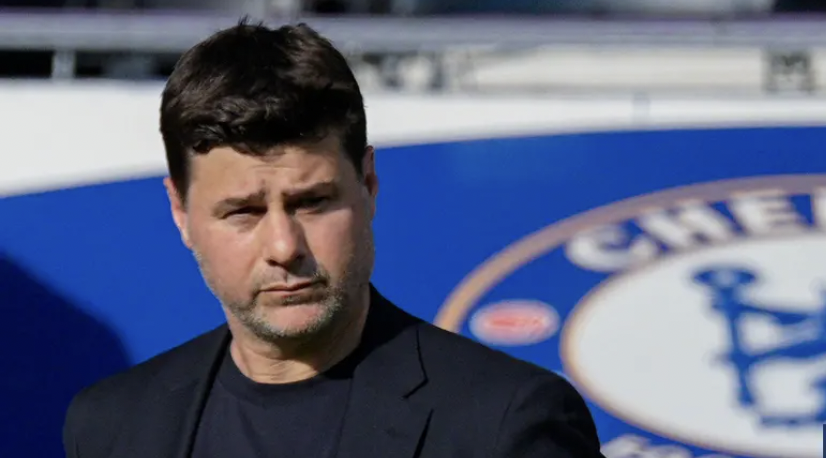
Mauricio Pochettino’s tenure at Chelsea came to an end because he failed to align with the vision of the club’s owners, Todd Boehly and Clearlake Capital. Pochettino, like Thomas Tuchel before him, struggled with the club’s top-down approach, which requires managers to collaborate closely with the board and avoid disrupting recruitment strategies.
Pochettino, a seasoned and charismatic coach, was never one to yield easily to external suggestions, especially regarding altering his training methods to address injury issues. Despite his amiable nature and efforts to manage upwards better than Tuchel, Pochettino couldn’t avoid expressing his strong views on running the club and his desire for more control over signings.
Chelsea’s significant spending spree of over £1bn on players since Boehly and Clearlake’s take over did not translate into the flexibility Pochettino sought. Eghbali, a key figure in the ownership group, was skeptical of Pochettino from the beginning. The Carabao Cup final loss to Liverpool’s young team and the failure to secure Champions League qualification did not help solidify Pochettino’s position.
Pochettino’s primary mistake was not recognizing that Chelsea is a club designed to empower its co-sporting directors, Laurence Stewart and Paul Winstanley, rather than the manager. The youth-first policy implemented by Stewart and Winstanley was a critical aspect of Chelsea’s modern strategy. Despite Pochettino’s success in guiding an immature squad to a sixth-place finish, the club’s broader vision overshadowed his accomplishments.
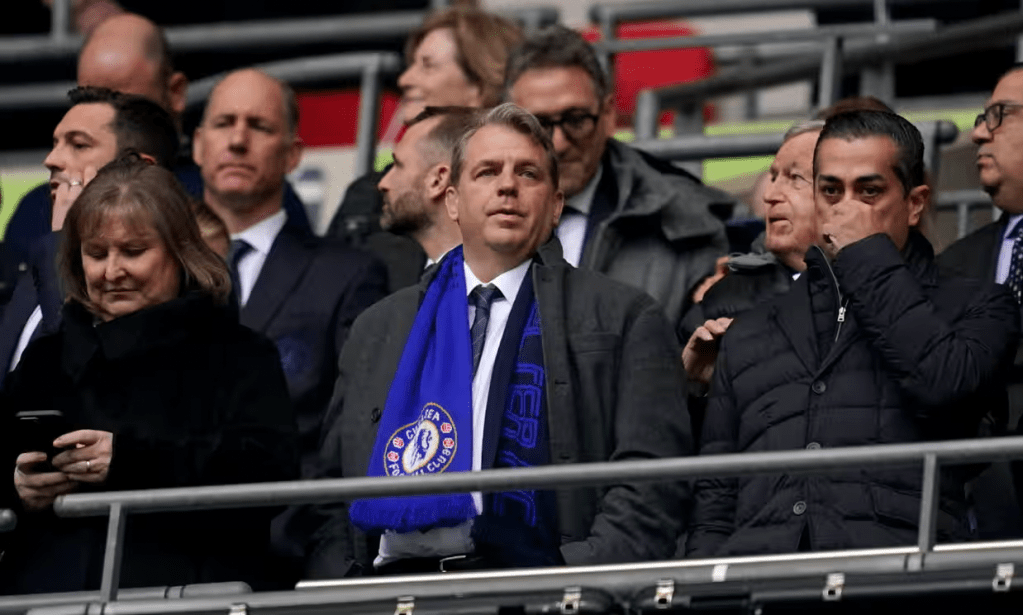
The club’s recruitment strategy is ambitious, focusing on young talents like Palmeiras’ Estêvão Willian, seen as a potential future star. This approach requires a manager who aligns with the recruitment team and refrains from challenging the established structure.
Pochettino’s resistance to selling key players for profit and his skepticism towards hiring Brentford’s set piece coach, Bernardo Cueva, further highlighted his disconnect with the club’s direction.
Chelsea’s pursuit of a young, progressive manager continues, with strong interest in Ipswich’s 38-year-old Kieran McKenna. The club seeks stability and consistent title challenges but must balance this with the need for a talismanic figure capable of inspiring the team. Successful clubs often build around their manager, as seen with Mikel Arteta at Arsenal and Xabi Alonso at Bayer Leverkusen.
Chelsea’s recent history of managerial instability, with Graham Potter and Pochettino both departing quickly, raises concerns about the club’s manageability. Potential hires must weigh the rewards of shaping a talented young side against the challenges of working under a demanding and potentially unstable structure. The opportunity to create something special at Chelsea is enticing, but it comes with the risk of clashing with football’s great disruptors.

Leave a Reply