

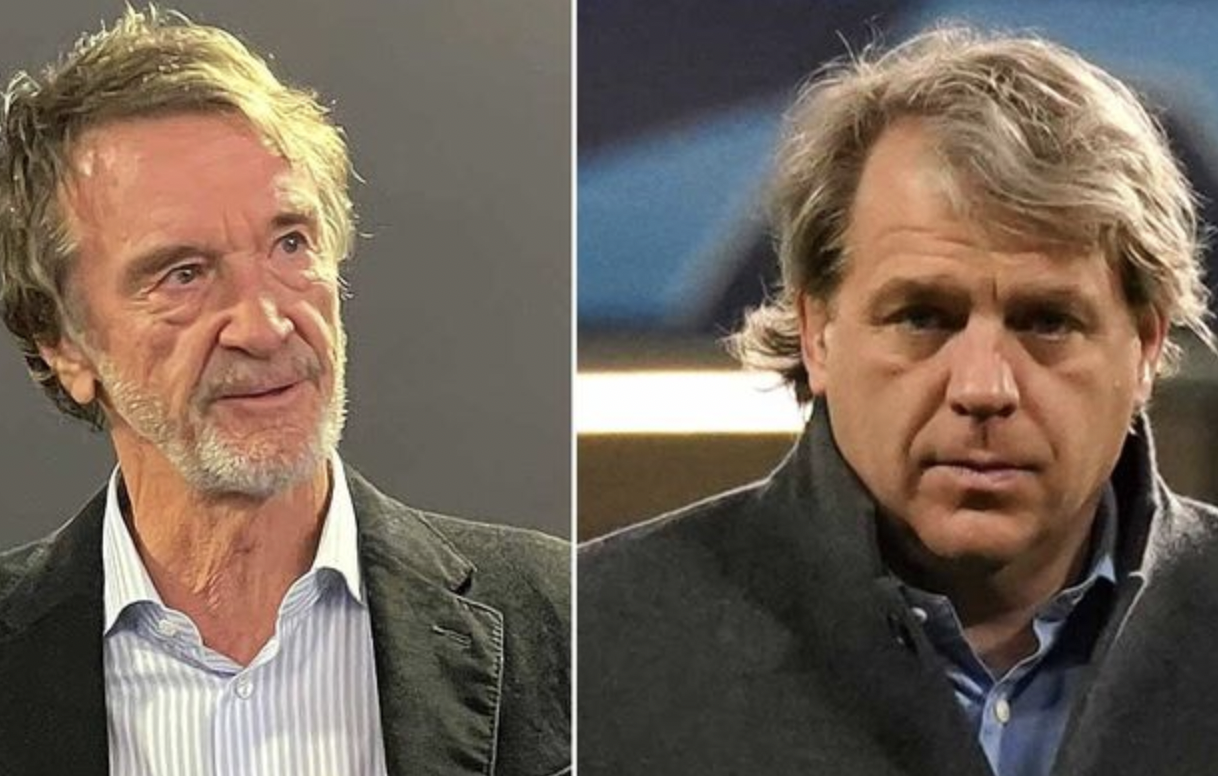
As Sir Jim Ratcliffe aims to rejuvenate Manchester United’s competitive edge within three years, the club faces a pivotal challenge in reshaping its squad. However, navigating the current transfer landscape proves daunting as Premier League clubs grapple with profit and sustainability regulations.
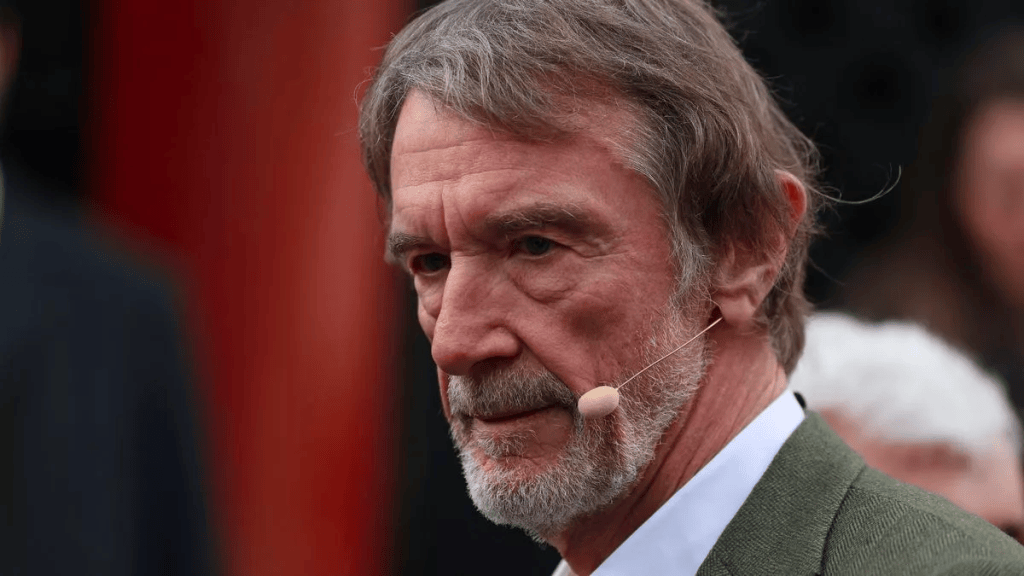
INEOS’ founder and his team encounter obstacles in offloading high-salary players with lengthy contracts, as potential buyers dwindle. European powerhouses like Real Madrid focus on marquee signings like Kylian Mbappe, while clubs like Paris Saint-Germain prioritize youth talent. Similarly, Barcelona and Bayern Munich face uncertainties, leaving United cautious about selling to domestic rivals.
Meanwhile, the Saudi Pro League emerges as a formidable player in the transfer market. Led by director of football Michael Emenalo, the league seeks sustainable growth rather than serving as a retirement haven for aging stars. Despite a significant investment last summer, SPL leaders emphasize gradual development and nurturing homegrown talent.
With an eye on bolstering local talent, SPL clubs adopt a measured approach to acquisitions, aiming to enhance player development and performance. This strategy, coupled with a quiet January transfer window, signals a shift towards long-term planning rather than aggressive spending.
For United and Chelsea, among others, this evolving landscape poses challenges, requiring strategic maneuvering in a new era of pragmatic transfer policies.

Leave a Reply