

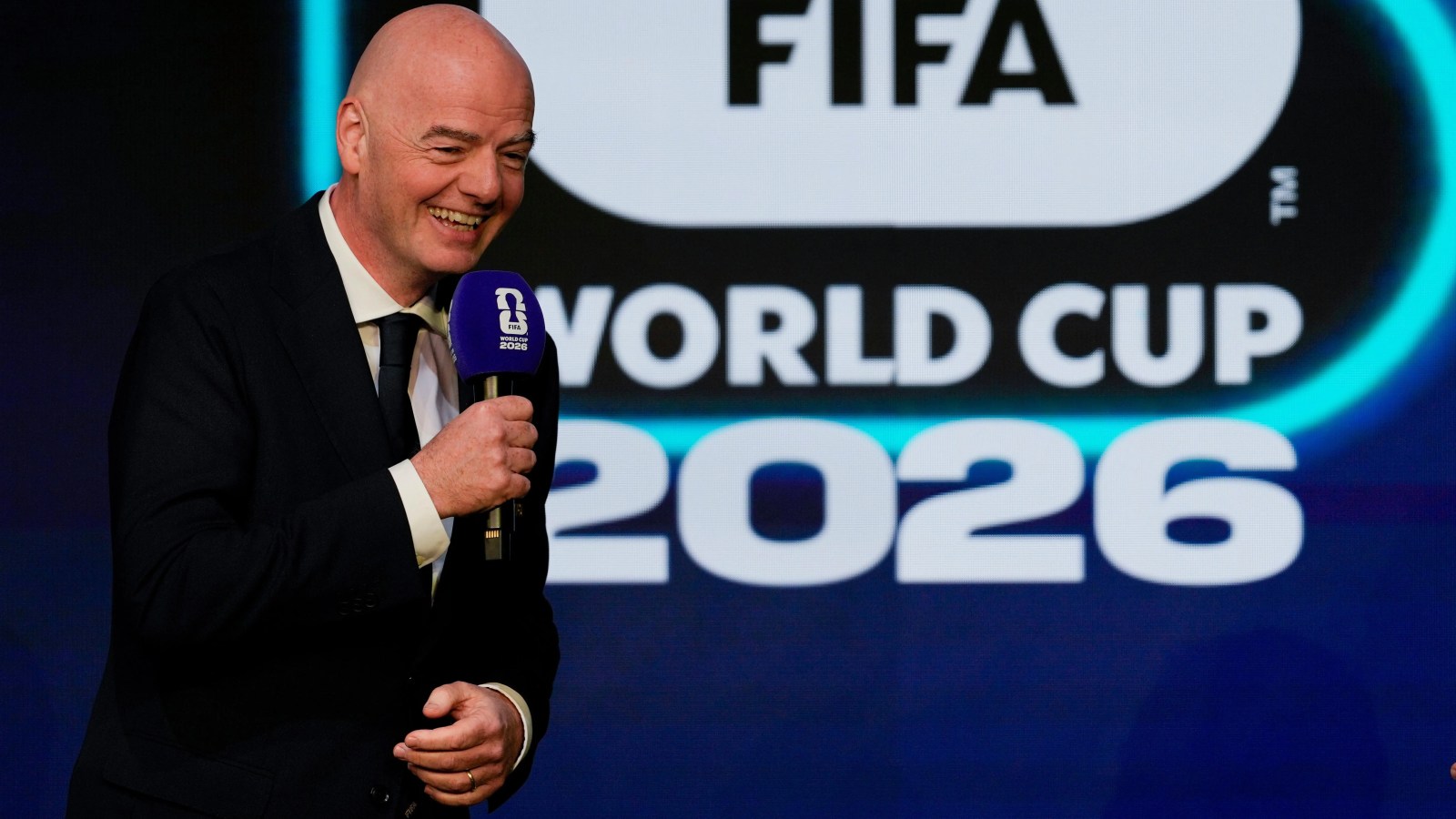
Gianni Infantino has abandoned his plan to sell stakes in a World Cup-related company to private investors after fierce resistance from inside FIFA and across European football, a retreat that lays bare one of the clearest internal splits of his presidency. The significance extends far beyond a shelved commercial proposal because the World Cup sits at the centre of FIFA’s political authority and financial power. When senior figures push back publicly against an idea tied to that flagship tournament, it points to a deeper dispute over governance, trust and the organisation’s direction. Kevin Lamour emerged as a central figure in the fallout, publicly defending colleagues and saying staff had been deceived, a striking intervention that underlined the seriousness of the disagreement.
- Gianni Infantino proposed selling stakes in a World Cup-related company to private investors.
- The plan triggered backlash inside FIFA and from European football leaders.
- FIFA chief operating officer Kevin Lamour publicly defended colleagues and said staff had been deceived.
- Infantino then confirmed the proposal would not proceed.
- The failed plan damaged Infantino’s standing with UEFA and widened divisions around FIFA’s leadership.
A proposal that cut to the heart of FIFA’s power
The controversy carried immediate weight because any attempt to reshape the commercial structure around the World Cup touches the most valuable asset in global football. FIFA’s influence rests not only on the prestige of the tournament but also on its control of the revenues and strategic decisions attached to it. A proposal to bring private investors into a World Cup-related company therefore raised questions that stretched well beyond routine business development. It created anxiety over how much control might shift, how future decisions would be made, and whether football’s most important competition should be tied more closely to outside capital.
That helps explain why the reaction was so sharp. Resistance did not stay private or procedural; it became a visible political problem for Infantino. The clearest picture is not simply one of disagreement, but of senior FIFA figures openly opposing the plan. In an organisation where major initiatives are often presented as consensus projects, that level of public dissent is significant in itself. It suggested the proposal had failed to convince key stakeholders and that concerns over both process and purpose were serious enough to spill into the open.
The World Cup’s central place in FIFA’s identity made that backlash even more consequential. This was not a dispute over a secondary commercial venture or a marginal administrative reform. It concerned the tournament that underpins FIFA’s global standing, shapes its leverage in football politics and drives much of its financial strength. Any move perceived to alter the governance or ownership structure around that asset was always likely to draw intense scrutiny. Once doubts took hold, the proposal became a test of judgment as much as a debate over business strategy.
That is why the retreat matters politically. Pulling back from the plan shows the resistance was too broad and too forceful to overcome. It also indicates that support inside FIFA was not strong enough to carry a contentious proposal linked to the organisation’s most sensitive commercial territory. In practical terms, abandoning the idea may prevent a deeper institutional fight over the World Cup’s future structure. In political terms, however, it leaves a clear impression that the initiative was misjudged, both in substance and in the way it was advanced.
Lamour’s intervention exposed the depth of the divide
Lamour’s public defence of colleagues gave the episode an even more damaging edge for FIFA’s leadership. His statement that staff had been deceived did more than criticise the handling of a single proposal; it raised direct questions about internal communication and confidence at the top of the organisation. When a chief operating officer intervenes in that way, the issue stops being a narrow commercial debate and becomes a test of institutional trust. It also suggested that frustration was not limited to external critics or political rivals, but had spread into FIFA’s own executive structure.
The language around deception is especially important because it points to a breakdown in how the proposal was understood inside the organisation. Even without further detail, the implication is that colleagues felt they had not been given a clear or accurate picture of what was being pursued. In practical terms, that makes it far harder for any leadership team to deliver a contentious reform, particularly one linked to the World Cup. In political terms, it weakens authority, because confidence in the process is often as important as confidence in the policy itself. Once that confidence is shaken, retreat becomes much more likely.
The backlash from European football leaders added another layer of pressure. UEFA has long been one of the most influential forces in the global game, and any deterioration in its relationship with FIFA carries consequences far beyond a single boardroom dispute. The failed proposal is understood to have damaged Infantino’s standing with UEFA, which matters because major international decisions often depend on a workable balance between FIFA’s central leadership and Europe’s most powerful associations. If that balance is disturbed, every future negotiation becomes more difficult, especially around tournament expansion, commercial strategy and calendar politics.
There is also a broader lesson in how tightly the World Cup is bound to legitimacy inside football governance. Commercial innovation can be framed as ambition, but when it appears to threaten control, transparency or trust, it quickly becomes politically combustible. That is what appears to have happened here. The proposal was not treated as a technical adjustment; it was viewed as a fundamental question about stewardship of the game’s biggest event. Once that framing took hold, opposition became more than a policy disagreement and turned into a challenge to leadership judgment.
The fallout may shape how FIFA approaches major strategic ideas from here. Senior figures have now shown a willingness to oppose a flagship proposal publicly, and European leaders have demonstrated that they are prepared to resist moves they believe go too far. That combination creates a more constrained environment for future initiatives tied to the World Cup and FIFA’s commercial structure. Even if new plans emerge later in a different form, they are likely to face sharper scrutiny, stronger demands for clarity and a firmer insistence on internal alignment before anything moves forward.
What comes next is likely to be less about reviving this specific investment idea and more about repairing authority and relationships. Infantino has confirmed the proposal will not proceed, but the deeper task for FIFA is to restore confidence after a dispute that exposed mistrust at senior level and strained ties with UEFA. The World Cup remains the organisation’s defining asset, and any future attempt to reshape how it is managed or monetised will now carry the memory of this failed push. For now, the retreat ends the immediate battle, but it leaves a lasting question over how united FIFA’s leadership really is as the road to the 2026 World Cup continues.
Leave a Reply