

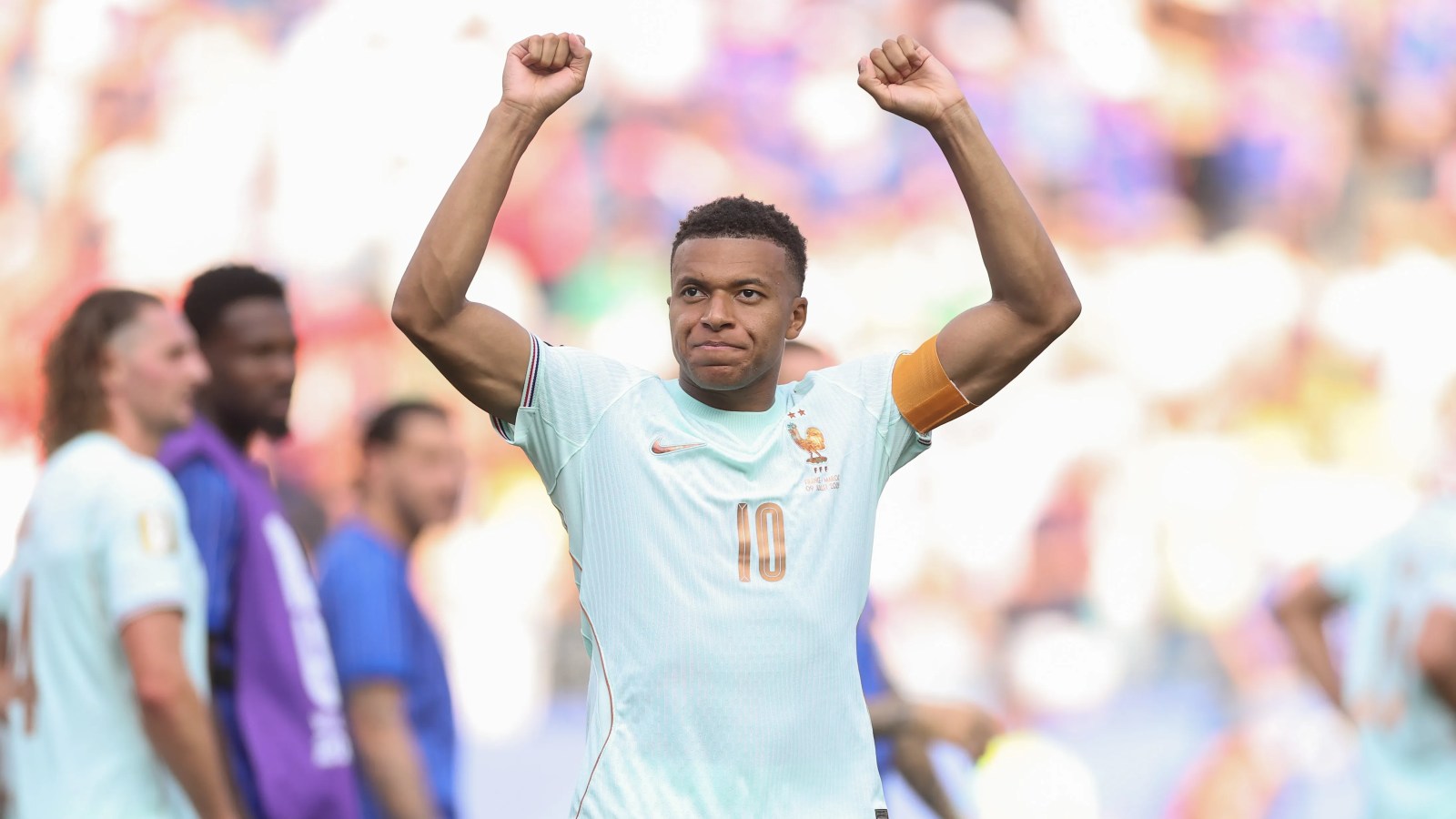
France’s current 2026 FIFA World Cup outlook is defined by the tournament it is preparing for, not by unverified claims circulating around other competitions. The confirmed picture is straightforward: the 2026 FIFA World Cup will be staged across the United States, Canada and Mexico from June 11 to July 19, 2026, and France has an established team page and fixtures listing connected to that tournament. At this stage, what matters most is that France remains part of the competitive framework for the men’s World Cup, with a clear place in the event’s broader structure and schedule. Just as importantly, there is no verified basis in the supplied research for claims about France’s plans for the Under-20 Women’s World Cup or for any suggestion of a UEFA boycott threat.
- The 2026 FIFA World Cup will be held in the United States, Canada and Mexico from June 11 to July 19, 2026.
- France has a dedicated team page and fixtures listing for the 2026 tournament.
- No verified information in the supplied research mentions France making plans regarding the Under-20 Women’s World Cup.
- No verified information in the supplied research mentions any UEFA boycott threat connected to France.
- The confirmed reporting focus remains France’s place within the 2026 FIFA World Cup schedule and tournament setup.
What is confirmed about France’s 2026 World Cup position
The clearest verified takeaway is that France is part of the information architecture surrounding the 2026 men’s World Cup. A dedicated team page and fixtures listing point to an active and identifiable presence within the tournament ecosystem, which is the relevant competitive context for any discussion of France at this stage. That may sound elementary, but in an environment where speculation can quickly overtake fact, the distinction matters. The confirmed material places France firmly within the orbit of the 2026 finals and does not support attempts to shift the conversation toward unrelated or unverified disputes.
The tournament itself will be one of the largest and most geographically expansive World Cups ever staged, spanning three host nations and running from June 11 to July 19, 2026. For every participating side, including France, that means preparation will be shaped by travel demands, scheduling rhythms and the challenge of adapting to a multinational event. Even without match-by-match detail in the verified material, the significance is obvious: a team with France’s profile will be judged on how well it handles a competition of enormous scale and expectation. The confirmed schedule window also provides a clear framework for planning, squad management and the broader buildup to the finals.
That context is important because it keeps the focus on what can actually be established. France’s presence in the tournament structure is not framed here by rumor or inference, but by its identifiable place within the competition’s official setup. In practical terms, that gives supporters and observers a solid baseline. France is part of the 2026 World Cup picture, and the discussion can responsibly begin there rather than with claims that are not supported by the material provided.
It also underlines the difference between confirmed tournament administration and speculative noise. In a World Cup cycle, team pages, fixtures listings and tournament dates are not trivial details; they are the basic markers of participation and planning. For a national side of France’s stature, those markers carry obvious weight because they anchor the conversation in the realities of the competition ahead. At this point, that is the strongest factual lens through which to view France’s 2026 position.
Why the unverified claims matter — and why they cannot lead the story
The supplied research is equally important for what it does not confirm. There is no verified mention of France’s plans for the Under-20 Women’s World Cup, and there is no verified mention of any UEFA boycott threat. That absence is not a minor footnote; it is the central editorial boundary around this story. When a claim cannot be supported by the verified material, it cannot be presented as fact, and in this case the available reporting does not establish the existence of either development.
That leaves the significance of this article in a different place from a conventional breaking-news controversy. Rather than tracking a political or administrative showdown, the reliable angle is one of clarity and restraint: France’s confirmed 2026 World Cup status remains tied to the men’s tournament schedule and team-specific competition pages, not to any documented boycott scenario. For supporters, analysts and tournament watchers, that means the practical conversation should remain on France’s route into the competition and its eventual demands, rather than on claims that are not substantiated here.
There is also a broader lesson in how major international football stories should be handled. France is one of the sport’s most closely followed national teams, so any suggestion of a dramatic policy position or boycott threat will naturally attract attention. But high-profile status does not lower the standard of verification; if anything, it raises it. Based on the research provided, the only defensible conclusion is that France’s 2026 World Cup presence is confirmed within the tournament framework, while the more dramatic claims remain unsupported and therefore outside the bounds of responsible reporting.
From a football perspective, that keeps the emphasis where it belongs: on the road to a World Cup that will dominate the international calendar in the summer of 2026. France’s dedicated team and fixtures presence signals ongoing relevance within the competition’s structure, and that is the tangible fact supporters can rely on for now. As the finals draw closer, attention will naturally shift toward opponents, scheduling specifics and the team’s competitive prospects. For the moment, though, the verified landscape is narrower but still meaningful: France is part of the 2026 World Cup picture, and there is no confirmed evidence in the supplied material to support claims of an Under-20 Women’s World Cup stance or a UEFA-linked boycott threat.
Looking ahead, the next meaningful updates on France will come from developments directly tied to the 2026 FIFA World Cup, including fixture-related information and the team’s tournament pathway within an event running from June 11 to July 19 across the United States, Canada and Mexico. Until then, the clearest and most accurate reading is a simple one: France’s World Cup focus remains on the men’s tournament ahead, and the unverified claims surrounding other competitions do not alter that confirmed picture.

Leave a Reply