
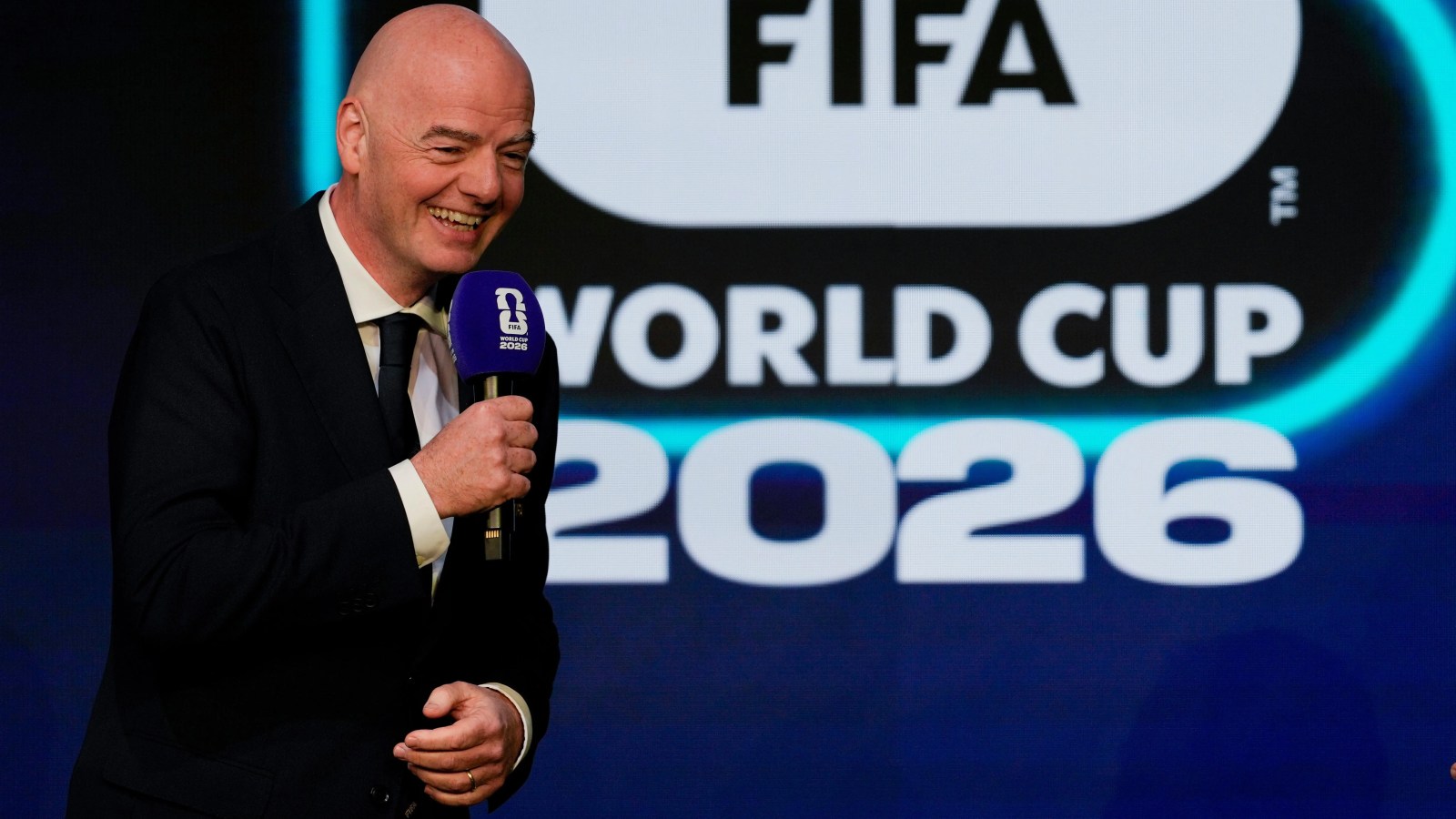
FIFA has abandoned plans to sell a large minority stake in a new company that would control its biggest tournaments, including the World Cup and Club World Cup, after a week of backlash turned the proposal into one of the most contentious governance disputes in football. The collapse matters because it halts an attempt to reshape how the sport’s most valuable competitions are packaged, financed and potentially influenced by outside capital. Gianni Infantino was at the center of the episode as UEFA warned it could pursue legal action over the proposal, raising the prospect of a major institutional confrontation at the top of the game. With the plan now scrapped, the immediate crisis has eased, but the episode leaves serious questions about strategy, consultation and FIFA’s future commercial direction for its flagship events.
- FIFA announced plans to sell a large minority stake in a new company that would run its main events, including the World Cup and Club World Cup.
- The proposal included a plan to raise $20 billion through a sale of equity to outside investors.
- UEFA warned FIFA president Gianni Infantino that it could pursue legal action over the World Cup private-equity plan.
- UEFA also indicated it was actively considering legal action, arbitration and related steps in response to the proposal.
- FIFA has now scrapped the private-investment plan after a week of backlash and controversy.
Why the proposal became so explosive
At the heart of the dispute was the scale of the proposed change. FIFA was not merely exploring a new sponsorship package or revising a broadcast structure; it was considering a large minority sale in a company that would run the sport’s premier events. That distinction is crucial because the World Cup is not only FIFA’s biggest commercial asset, but also the tournament around which the global football calendar, competitive balance and the governing body’s political influence are built. Any move to carve out ownership in the operation of that asset was always likely to draw intense scrutiny from confederations and stakeholders who see the competition as central to the sport’s wider ecosystem.
The ambition to raise $20 billion through outside equity underlined just how transformative the proposal could have been. A figure of that size points to a deal that would have gone beyond short-term financing and into the realm of structural change, potentially altering how revenue, control and long-term decision-making are understood around FIFA competitions. Even without further disclosed details on governance or investor rights, the amount alone was enough to sharpen concerns about how far commercial logic might shape tournaments with enormous sporting and political significance. Once that number entered the discussion, the proposal was no longer a technical business matter; it became a debate about ownership, influence and the limits of monetising the game’s crown jewels.
That is why the reaction was so swift. The World Cup and Club World Cup are not ordinary commercial properties, and any attempt to reorganise them through investment structures inevitably touches issues that extend far beyond balance sheets. National associations, confederations and senior football executives may differ on many priorities, but many share a common interest in preserving influence over tournaments that shape prestige, revenue and power. That helps explain why the proposal generated immediate controversy: even a minority stake can appear to represent a major symbolic shift when the asset involved is the World Cup.
UEFA’s response and the wider significance
UEFA’s warning that it could pursue legal action escalated the issue from internal disagreement to a potentially historic institutional clash. The indication that legal action, arbitration and related steps were actively under consideration showed that the opposition was not rhetorical posturing but a serious challenge to the legitimacy and structure of the plan. That matters because any prolonged fight between FIFA and UEFA would have cast a shadow over the governance of international football at a time when calendar pressures, tournament expansion and commercial growth are already straining relationships. The legal threat also suggested that critics saw the proposal not simply as unwise, but as something that may have crossed important lines in process, authority or stakeholder rights.
For FIFA, the speed of the retreat is nearly as significant as the retreat itself. The governing body moved from announcing a plan for a new company around its main events to scrapping the proposal within a week, a rapid reversal that points to the intensity of the backlash. Such a short timeline suggests resistance was strong enough to make the political and legal costs outweigh any prospective financial upside. It also raises questions about how fully the proposal had been stress-tested before it was floated, especially given the sensitivity of introducing private investment into competitions that define the global game.
For UEFA, the collapse of the plan represents a significant defensive success, even if the underlying tensions remain. By forcefully opposing the proposal and signaling readiness to escalate, European football’s governing body made clear it would resist moves it believed threatened existing structures or diminished stakeholder control. Yet this outcome does not necessarily settle the broader debate over how FIFA intends to maximise the value of its competitions in the years ahead. If anything, it highlights that future commercial initiatives around the World Cup will be examined not only for their revenue potential, but also for their governance implications and their effect on the balance of power within the sport.
What comes next is likely to be shaped by caution. FIFA has stepped back from this particular private-investment proposal, but the financial logic that produced the idea in the first place is unlikely to disappear, especially with the World Cup and Club World Cup standing as central pillars of its commercial strategy. The immediate road ahead should bring a period of recalibration rather than expansion, with attention turning to how FIFA manages relations with UEFA and whether any revised commercial thinking can be advanced without provoking another confrontation. For now, the attempted sale is over, the legal showdown has been avoided, and the World Cup remains outside the private-equity structure that briefly threatened to redefine its future.


Leave a Reply