

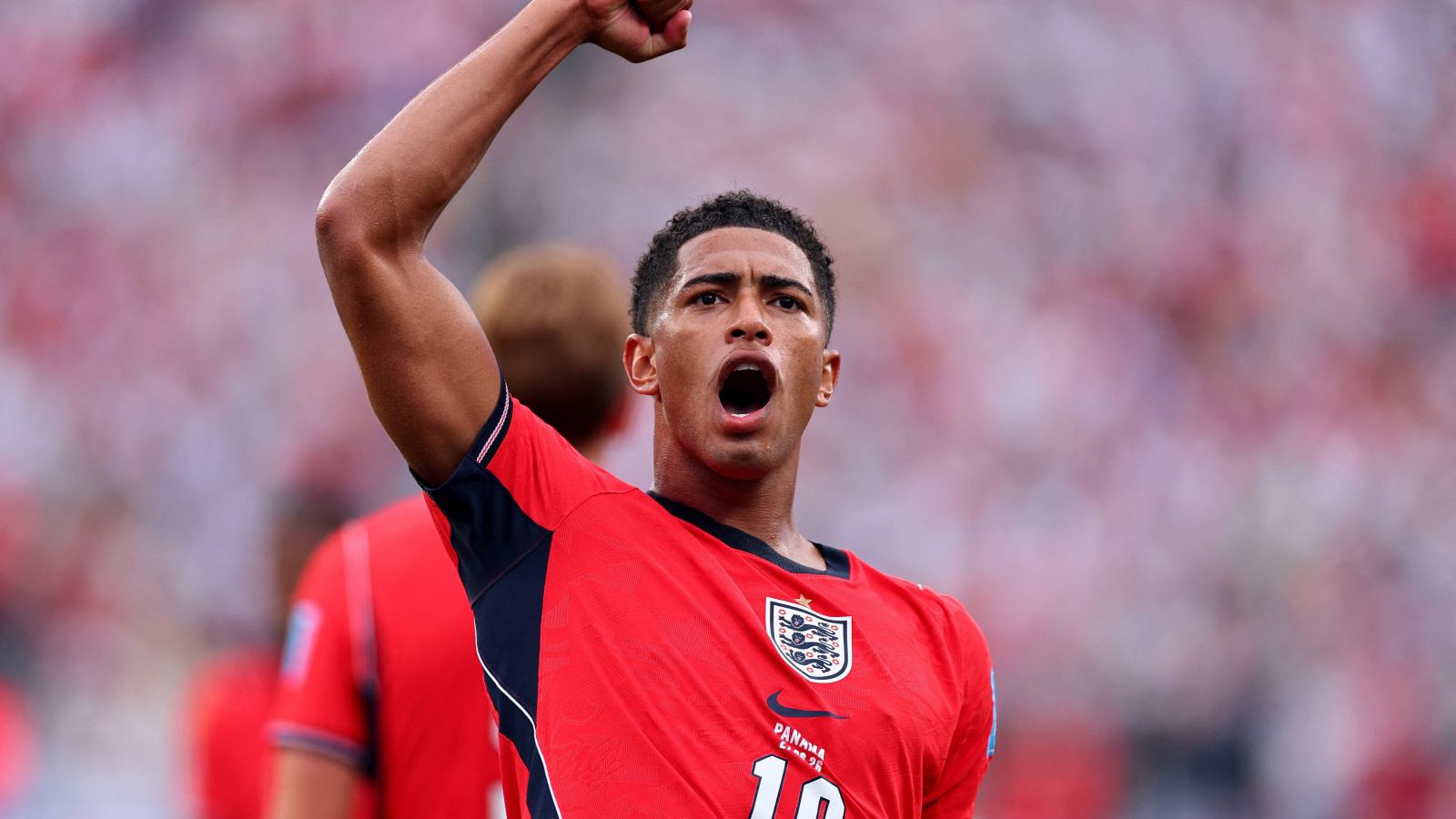
England’s 2026 FIFA World Cup campaign is over, but it ended on a high with a remarkable 6-4 victory over France in the third-place play-off, securing a podium finish and underlining the attacking quality that carried the team deep into the tournament. The result confirmed England in third place overall, a significant achievement on the global stage even if it fell short of the ultimate prize. Jude Bellingham emerged as the defining figure in England’s run, finishing with seven goals, while Harry Kane and Bukayo Saka also made major contributions throughout the campaign. For a side judged by the biggest prizes, the final feeling is naturally mixed, yet a top-three finish and a ten-goal finale offered a powerful reminder of England’s quality.
- England finished third at the 2026 FIFA World Cup after beating France 6-4 in the third-place play-off.
- England held a 4-0 lead at half-time in the victory over France.
- England began the tournament with a 4-2 win over Croatia in Dallas.
- Jude Bellingham finished as one of England’s top scorers with seven goals during the tournament.
- Harry Kane scored six goals at the tournament, while Bukayo Saka added three.
A campaign defined by attacking force
The clearest theme of England’s tournament was its ability to score goals against strong opposition. Opening with a 4-2 win over Croatia in Dallas immediately set an aggressive tone, pointing to a side prepared to play on the front foot and trust its attacking players to decide matches. That same instinct was on display again in the third-place play-off, where England put six past France and raced into a 4-0 lead by half-time. Even without a full match breakdown, those scorelines alone illustrate a team capable of overwhelming opponents in bursts and turning pressure into decisive attacking output.
Bellingham’s return of seven goals is especially striking because it places him at the centre of England’s most productive moments in the competition. Kane’s six-goal haul reinforces the sense that England carried multiple central threats, while Saka’s three goals added further depth to the attack. Between them, those three players accounted for a substantial share of England’s tournament output and gave the side different ways to hurt opponents. Bellingham’s finishing, Kane’s consistency and Saka’s support from wider areas created a framework that made England dangerous throughout the finals.
The 6-4 scoreline against France also says something important about the character of the team. Third-place matches can often feel flat after the disappointment of missing the final, but England produced a display full of intent and energy. Building a 4-0 half-time advantage showed focus, ruthlessness and a refusal to let the tournament drift away. Whatever frustrations remain about not reaching the final, England’s response in its last match demonstrated that the squad still had the mentality to compete hard and finish with purpose.
What third place says about England’s level
Finishing third at a World Cup is not a minor outcome. It confirms England as one of the last three teams standing in the competition and places the campaign among the stronger tournament runs of the modern era. There will naturally be a sense of unfinished business because teams with England’s talent do not travel to a World Cup simply to place, but third place still reflects sustained quality across the event. It also provides a firmer basis for judging the squad: this was not a campaign built on isolated moments, but one that ended with official recognition among the tournament’s top performers.
The attacking numbers attached to England’s leading scorers suggest a side that was difficult to contain when its key players found rhythm. Bellingham’s seven goals point to a player who did more than influence games in general terms; he directly shaped outcomes in front of goal. Kane’s six underline his enduring value as a decisive finisher, while Saka’s three indicate useful secondary production that prevented England from becoming too predictable. In tournament football, where margins are tight and knockout matches can turn on one opening, having several players contribute goals is often the difference between an early exit and a deep run.
At the same time, the final match’s 6-4 score reveals the volatility that can come with expansive, attack-led football. Scoring six against France is an enormous statement, but conceding four in the same game shows how open contests can become when momentum swings. Without adding details that are not verified, it is still fair to say the match encapsulated both the thrill and the risk within England’s tournament profile. This was a team capable of producing overwhelming attacking stretches, but also one that played in games where control could loosen and scorelines could become unusually wide.
That broader picture makes England’s World Cup difficult to reduce to a single emotion. The campaign did not end with the trophy, so there is bound to be disappointment around opportunities missed along the way. Yet the verified record remains impressive: a winning start against Croatia, a live official tournament presence through the final stages, leading scorers who delivered consistently, and a third-place finish sealed by beating France in a ten-goal contest. Those are not the marks of a failed tournament, even if they do not satisfy the highest ambitions attached to the shirt.
Looking ahead, England leaves the 2026 World Cup with tangible evidence of a side capable of competing deep into major tournaments and scoring heavily against elite opposition. The challenge now is to turn that attacking power and big-stage experience into the final step when the next major opportunity arrives. Bellingham’s seven goals, Kane’s six and Saka’s three offer a clear indication of the core that drove this run, while the third-place finish gives the campaign a meaningful place in England’s recent World Cup history. The tournament is over for England, but the closing image is a strong one: a team walking away with a medal after a 6-4 victory over France and a reminder of how dangerous it can be when everything clicks.



Leave a Reply