

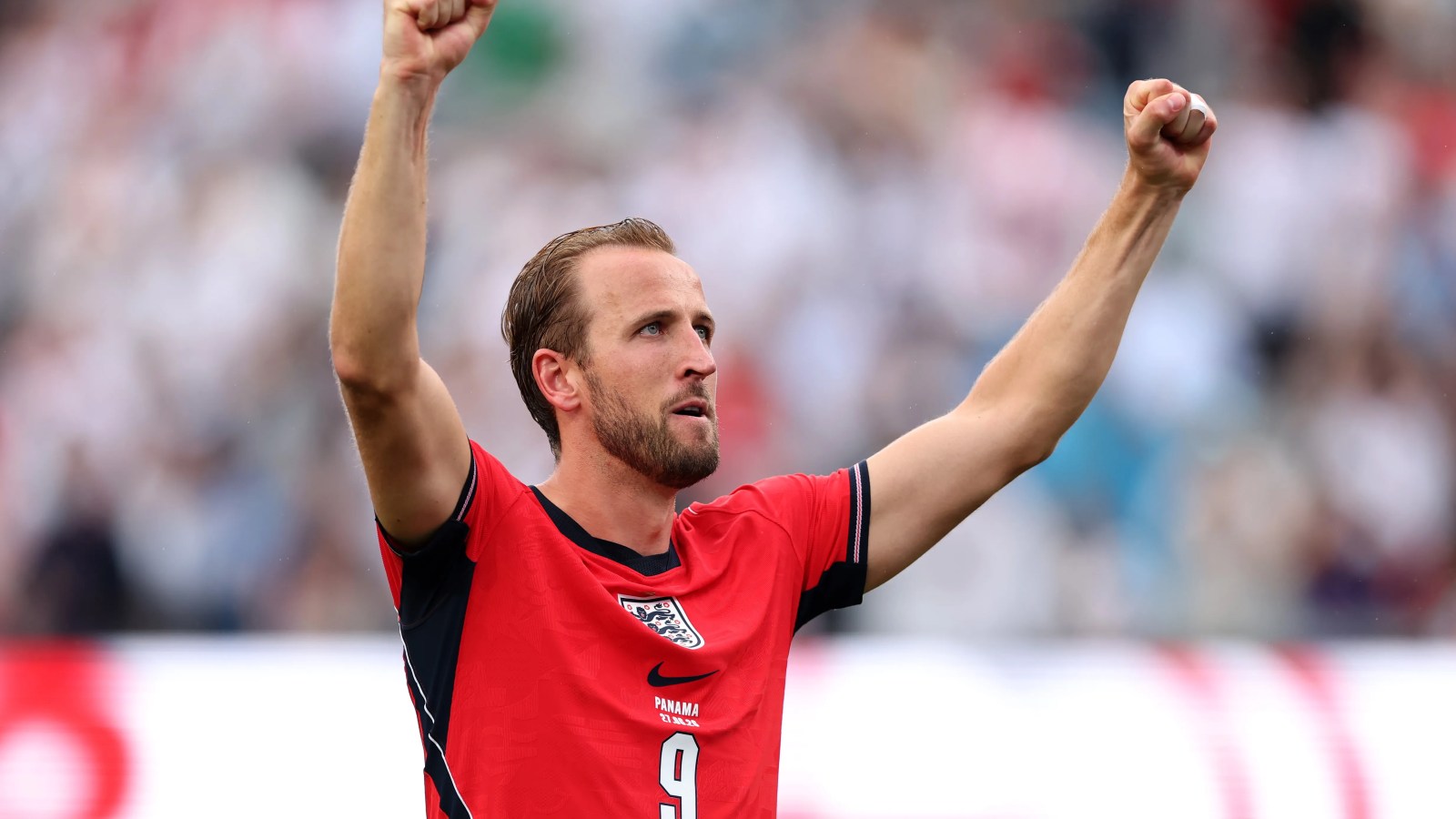
England closed their 2026 FIFA World Cup campaign with a third-place finish after a 6-4 victory over France, bringing an end to a tournament defined by goals, momentum and a major contribution from Harry Kane. The striker’s six-goal haul across the competition underlined his importance to England’s run and gave the side a clear attacking focal point throughout the finals. While some claims about England’s path through the closing stages are not supported by the verified record available here, the confirmed picture is still a strong one: England remained competitive deep into the tournament and signed off with a high-scoring win. That matters because it frames the campaign not as a collapse at the final hurdle, but as a substantial World Cup showing that ended on a positive note.
- England finished third at the 2026 FIFA World Cup after beating France 6-4.
- Harry Kane scored six goals across England’s World Cup campaign.
- The verified results do not support claims that England lost a semi-final to Argentina.
- The verified record also does not confirm claims about Harry Kane publicly backing Thomas Tuchel or criticism of Tuchel’s tactics.
- England’s tournament run is confirmed by official competition listings and live results covering their fixtures and final placing.
England’s campaign ends with attacking force
A third-place finish does not carry the same weight as reaching the final, but it still represents a meaningful achievement at a World Cup, especially when it is secured with a 6-4 win over a major rival. Scoring six times against France in a placement match points to an England side that retained its attacking conviction even after missing out on the title match. It also suggests a team willing to keep pressing forward rather than simply managing the emotional fallout that often follows disappointment in the latter stages. In tournament football, the ability to respond strongly after a setback is often a revealing measure of a squad’s resilience, and England’s final result offered exactly that.
Kane’s six goals stand out as the clearest individual marker of England’s campaign. In a tournament setting, that level of output often shapes not only results but also the way a side can approach matches, because a reliable scorer alters defensive behaviour and gives teammates a constant target. Even without a full match-by-match breakdown here, the total itself confirms that Kane remained central to England’s attacking identity from start to finish. For England, that kind of production would have provided both a practical edge in front of goal and a psychological one, with opponents forced to account for his movement and finishing in every game.
The final placing also matters in any broader reading of England’s tournament. Finishing third means England stayed alive in the competition until its closing weekend and remained among the last teams standing. That is an important distinction, particularly when unverified narratives can distort how a campaign is remembered. The confirmed record is both simpler and stronger: England were one of the leading teams at the 2026 World Cup, and they left the tournament with a victory rather than a defeat.
That context gives the campaign a more balanced shape. England did not reach the final, and that will always leave room for questions about what might have been, but the closing result ensured the tournament ended with a statement rather than a stumble. A four-goal concession against France also suggests the match was far from straightforward, yet England still found enough attacking quality to finish on top. In that sense, the third-place playoff became more than a consolation fixture; it became a final demonstration of the qualities that carried England deep into the competition.
What is confirmed — and what is not
The verified information available here draws a clear line around several claims. It supports England’s participation in the 2026 World Cup, confirms their third-place finish after beating France 6-4, and confirms Kane’s six goals during the tournament. It does not support the assertion that England lost a semi-final to Argentina, and it does not confirm claims about Kane backing Thomas Tuchel or criticising Tuchel’s tactics. That distinction matters because any serious assessment of England’s tournament should be built on what is established, not on details that are not borne out by the record provided.
Within those confirmed facts, there is still plenty to say about the shape of England’s campaign. A team that finishes third at a World Cup has, by definition, sustained its performance over multiple rounds and handled the pressure that comes with knockout football. England’s ability to end the tournament with ten total goals shared in a single match against France points to a side involved in open, eventful contests at the sharp end of the competition. Whether that reflects attacking freedom, defensive looseness or a blend of both cannot be pinned down beyond the verified scoreline, but it undeniably marks England out as one of the tournament’s most dramatic teams in its closing phase.
There is also significance in the way Kane’s scoring total frames England’s attacking structure. Six goals in one World Cup is the return of a player who consistently delivered on the biggest stage, and it places him at the centre of England’s most important moments. For teammates, a scorer in that form can simplify decision-making in advanced areas, encourage earlier service into dangerous zones and create confidence that pressure can be converted into goals. For opponents, it means defensive plans are often built first around limiting one individual, which can open spaces elsewhere even when the striker is not the one applying the finish.
From England’s perspective, the combination of a podium finish and a prolific tournament from their leading forward leaves a mixed but ultimately respectable legacy. They did not win the competition, so there will naturally be scrutiny around the margins that separated them from the final step. Yet the confirmed evidence does not point to a campaign defined by collapse or by the specific disputed storyline around a semi-final defeat to Argentina. Instead, it points to a team that stayed relevant until the end, delivered one last statement against France and left with tangible proof of quality in both result and individual output.
What comes next is the challenge every successful World Cup side faces once the tournament closes: turning a strong run into a platform rather than a peak. England can look back on a third-place finish and Kane’s six-goal contribution as evidence that they possessed enough attacking quality to trouble elite opponents on the biggest stage. The task now is to carry that level into the next phase of the international cycle, using the confidence of a top-three finish as a base for future progress. However the wider debate develops, the verified record of England’s 2026 World Cup remains clear: they finished third, they beat France 6-4, and Harry Kane was at the heart of their campaign.



Leave a Reply