

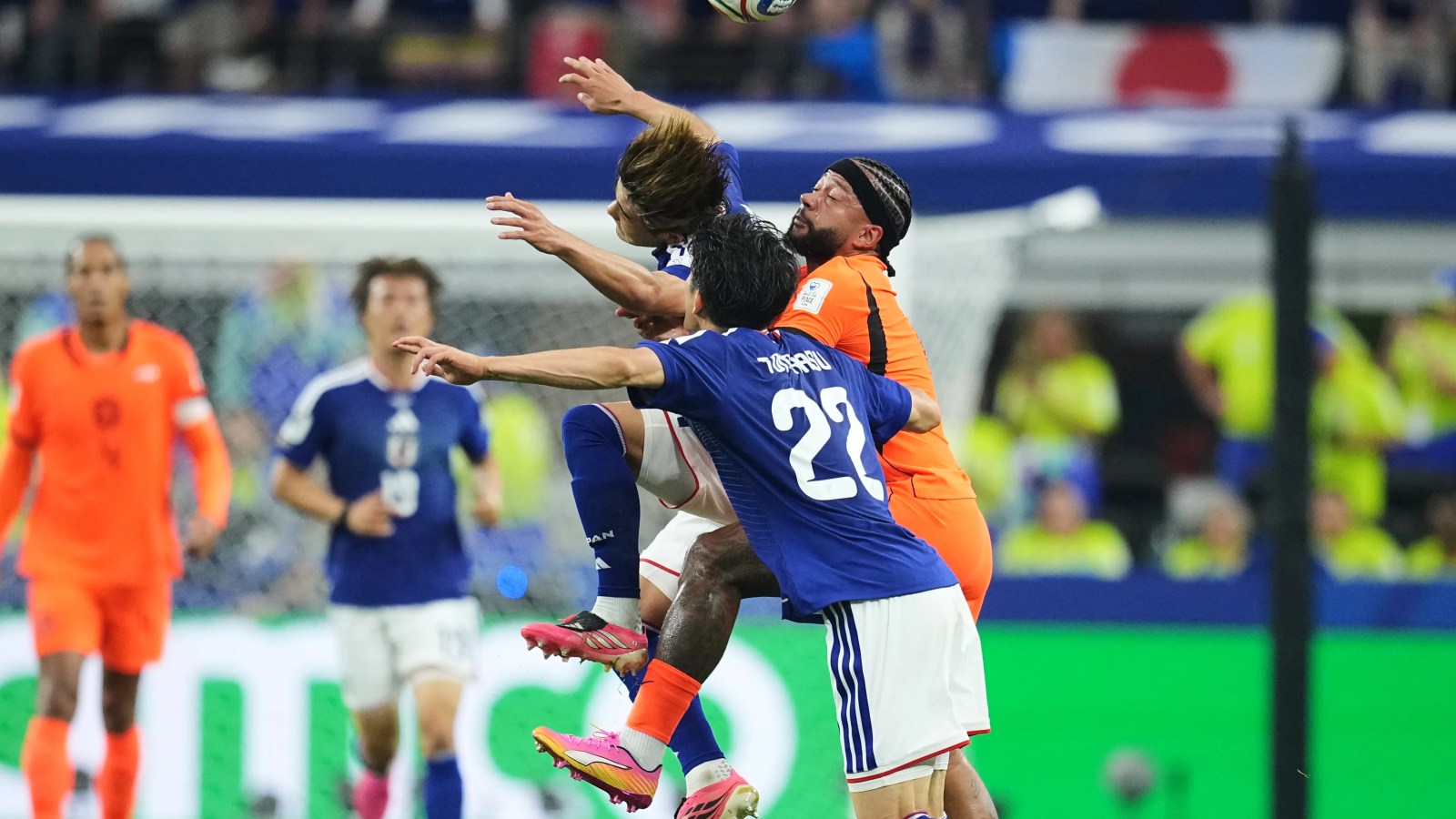
Japan’s FIFA World Cup 2026 campaign ended in the Round of 32 as Brazil secured a 2-1 victory, with Kaishu Sano emerging as Japan’s standout performer after scoring his side’s only goal in a defeat that highlighted both the progress made and the limits of this run. The result sends Brazil into the next round while bringing to a close a Japan tournament journey shaped by a demanding schedule across Dallas and Monterrey. Even in elimination, Japan showed enough resilience to keep the contest alive, and Sano’s contribution ensured the match never became a one-sided conclusion. For Brazil, the win was sufficient and little more, but in knockout football that is often the only detail that matters.
- Brazil defeated Japan 2-1 in the Round of 32 at the FIFA World Cup 2026.
- Kaishu Sano scored Japan’s only goal in the defeat.
- The result ended Japan’s World Cup campaign and sent Brazil through to the next round.
- Japan’s group-stage schedule included matches in Dallas on June 14 and June 25, and in Monterrey on June 20.
- Japan’s tournament concludes with a competitive knockout performance despite elimination.
Japan’s resistance was real, but Brazil found the margin that mattered
A 2-1 result in a knockout match always invites reflection because it points to a contest decided by moments rather than by complete control from one side. That was the shape of Japan’s exit. Brazil did enough to advance, but Japan remained close enough to make the match meaningful deep into the game, and that says plenty about the discipline and resolve they brought to the occasion. Sano’s goal gave Japan a tangible return for that effort and ensured the final score reflected a team that stayed competitive against one of the tournament’s most formidable names.
In knockout football, the gap between elimination and progression is often defined less by volume than by precision in decisive phases. Brazil’s ability to come through with the win points to that edge, while Japan’s narrow defeat suggests they were not far from turning the tie into something even more dramatic. Without further confirmed detail on the timing of the goals or the exact rhythm of play, the clearest conclusion is that Japan stayed in contention but could not find the second breakthrough needed to extend their tournament. It is a painful way to go out, but it also underlines a side that forced Brazil to work for progression rather than allowing the match to slip away.
For Japan, the emotional weight of such a result is obvious. Losing by a single goal in a World Cup knockout match can sharpen the sense of what might have been, especially when a scorer like Sano gives the team a foothold in the contest. At the same time, there is a clear difference between a heavy elimination and a narrow one, and this performance belongs firmly in the latter category. Japan leave the tournament with disappointment, but also with evidence that they were capable of competing on the sport’s biggest stage against elite opposition.
That distinction matters when assessing the performance beyond the final scoreline. A narrow defeat to Brazil does not change the fact of elimination, but it does shape the way the campaign will be remembered. Japan were not overrun, nor were they reduced to passive resistance. They stayed involved, carried a threat through Sano’s goal, and preserved the competitive tension of the tie. In a knockout setting, that is meaningful, even if it ultimately offers little comfort in the immediate aftermath.
What the result says about both teams and Japan’s wider tournament
Brazil’s progression reinforces the ruthless efficiency required in the knockout rounds. A 2-1 win is not necessarily a statement in stylistic terms, but it is a statement in competitive terms because it keeps the campaign alive. Tournament football does not always reward the most expansive display; it rewards the side that manages the decisive moments better than the opponent. Brazil did that here, and their path continues because they turned a difficult matchup into a successful one, even if Japan ensured there was no comfort in the closing stages.
For Japan, the result must also be viewed in the context of the wider tournament route. Their confirmed group-stage schedule took them to Dallas on June 14, Monterrey on June 20, and back to Dallas on June 25, a sequence that framed both the logistical and competitive demands of the opening phase. By reaching the Round of 32, Japan turned those fixtures into the foundation of a meaningful run, and that alone gives the campaign substance beyond mere participation. The eventual defeat to Brazil closes that run, but it does not erase the fact that Japan were still standing as the knockout bracket began to narrow.
Sano’s role as Japan’s scorer in this match gives the campaign a clear individual marker. In elimination games, goals become part of a team’s tournament memory because they represent belief under maximum pressure. His strike was not enough to alter the outcome, but it gave Japan a chance and provided a focal point for everything the team was trying to sustain against Brazil. When a side exits narrowly, the scorer often comes to symbolize both the quality that kept hope alive and the frustration that one contribution was not quite enough.
There is also a broader competitive lesson in the result. Japan’s 2-1 defeat shows how slim the margins become once the tournament reaches direct elimination. A single-goal game against Brazil indicates that structure, concentration and opportunism can keep even the strongest opponents within reach, but it also underlines how difficult it is to complete the upset when chances are limited and every mistake carries greater punishment. That tension defines knockout football, and Japan experienced both sides of it here: enough quality to threaten, but not enough to survive.
Brazil move on with the assurance that comes from advancement, though this match also serves as a reminder that the path ahead will not become easier. Japan, meanwhile, leave the World Cup with a campaign that ends in disappointment but not in collapse, with Kaishu Sano’s goal standing as the final notable contribution of their run. The schedule across Dallas and Monterrey, the progress into the Round of 32, and the narrow loss to Brazil together form the outline of a tournament that carried genuine competitive value even without the ending Japan wanted. Their story at FIFA World Cup 2026 is over, but it closes on a performance that remained alive until the final margin was set.

Leave a Reply