
Leadership Shake‑up: Pakistan Name Sahibzada Farhan as T20I Captain
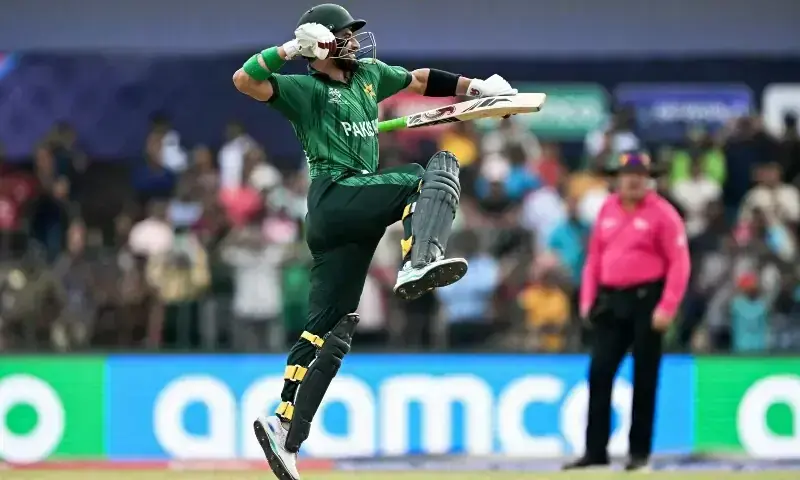
Pakistan Name Sahibzada Farhan as the new T20I skipper, a move that follows a bruising World Cup campaign and a sudden drop of Salman Ali Agha from the squad. The Pakistan Cricket Board (PCB) announced the change ahead of the three‑match home series against Sri Lanka, and an upcoming ODI tri‑series featuring England.
The decision stunned fans and pundits alike. After a disappointing finish at the 2026 T20 World Cup, the PCB acted swiftly, replacing the 62%‑winning‑record captain with a 30‑year‑old opening batsman known for his aggressive intent.
Squad Overhaul Ahead of Sri Lanka Series
Alongside the captaincy switch, the PCB trimmed the squad, removing Agha and fast‑bowling stalwart Shaheen Afridi. The official release read:
“Sahibzada Farhan replaces Salman Ali Agha as Pakistan’s T20I captain. Agha has also been dropped from the team for the upcoming three‑match series against Sri Lanka.”
Other notable inclusions are:
- Opener Sahibzada Farhan – now captain
- Young pacer Mohammad Zahid
- All‑rounder Usman Qadir
The revised line‑up will also compete in an ODI tri‑series against Sri Lanka and England, giving the new leadership a chance to shape a broader limited‑overs strategy.
Impact Analysis: What This Means for Pakistan T20 Futures
The captaincy change is more than a personnel shuffle; it reflects a strategic pivot. The PCB’s statement emphasized a need for “aggressive intent and fresh ideas” after the World Cup debacle.
Why Farhan? At 30, Farhan brings a blend of experience and attacking flair. His opening role has already yielded several quick‑fire knocks in the domestic circuit, and his leadership style is described as “dynamic and player‑centric.”
Key implications:
- Batting Order Flexibility: Farhan’s promotion may push veteran middle‑order players like Babar Azam further down, allowing younger talent to flourish.
- Bowling Balance: With Shaheen Afridi’s omission, the pace attack will lean on emerging fast bowlers, testing depth ahead of the high‑stakes ODI tri‑series.
- Team Morale: Dropping a captain with a 62% win record signals a zero‑tolerance approach to underperformance, potentially raising accountability across the squad.
Analysts predict that the new captaincy could rejuvenate Pakistan’s T20 identity, aligning with global trends where aggressive openers set the tone early. However, the loss of seasoned players like Agha and Afridi may expose a short‑term vulnerability, especially against power‑play specialists from Sri Lanka.
FAQ
1. Why was Salman Ali Agha removed as captain?
Following Pakistan’s poor performance at the 2026 T20 World Cup, the PCB decided a change was essential. Although Agha held a 62% winning record, the overall team results did not meet expectations, prompting his removal and exclusion from the Sri Lanka series squad.
2. What experience does Sahibzada Farhan bring to the role?
Farhan is a 30‑year‑old opening batsman with a reputation for aggressive stroke‑play. He has been a consistent performer in Pakistan’s domestic T20 leagues and is now tasked with translating that intent into international leadership.
3. How will the squad changes affect the upcoming ODI tri‑series?
The trimmed squad, now without Agha and Afridi, will rely on emerging fast bowlers and all‑rounders to fill the void. The PCB hopes the new leadership will foster a cohesive unit capable of competing against Sri Lanka and England in the ODI format.
Final Thoughts
Pakistan Name Sahibzada Farhan as the new T20I captain marks a decisive moment in the nation’s cricketing narrative. The bold move reflects a board unwilling to settle for mediocrity after a World Cup let‑down. While the immediate challenges—adjusting the batting order, compensating for the loss of key bowlers, and building team chemistry—are significant, the appointment offers a fresh canvas for a side eager to reclaim its T20 dominance. The next few weeks, especially the home series against Sri Lanka, will be the true litmus test for Farhan’s leadership and the PCB’s strategic gamble.


Leave a Reply