

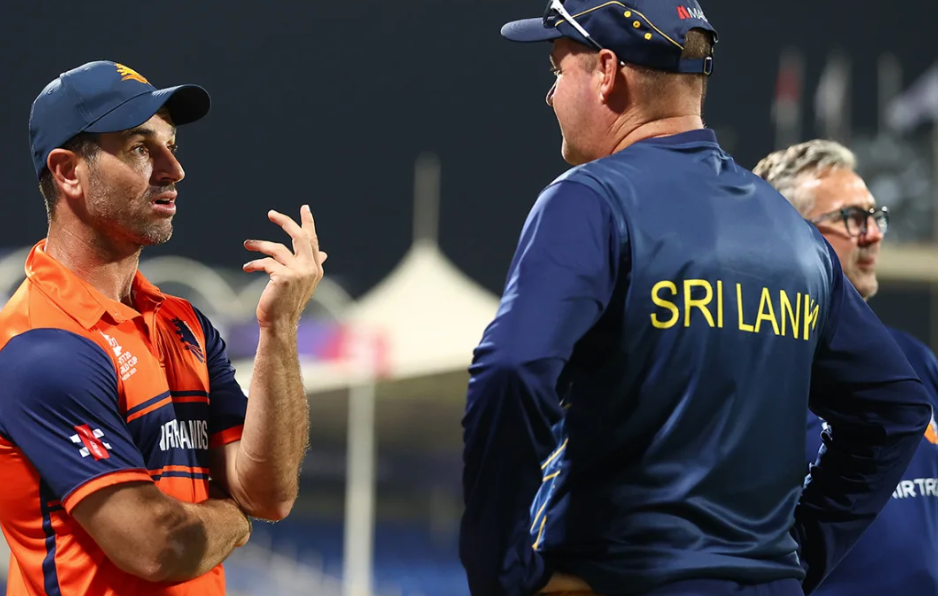
The Impact Player Rule, introduced in the ongoing IPL 2024, has become a hot topic of discussion in Indian cricket circles. KKR’s fielding coach, Ryan ten Doeschate, shared his observations after their recent match against the Royal Challengers Bangalore, highlighting the rule’s potential impact on the way T20 cricket is played.
Batting Powerhouse Takes Center Stage:

Ten Doeschate emphasized a significant shift in the approach to T20 batting. He believes the Impact Player Rule has contributed to a prioritization of batting strength by franchises. This allows players greater freedom to swing freely at the crease, leading to consistent breaches of the coveted 200-run mark.
Fearless Batting and Shrinking All-Rounder Opportunities:
According to Ten Doeschate, modern-day T20 batters approach every ball with an attacking mindset. This fearless approach is fueled by the knowledge of their team’s strengthened batting depth, courtesy of the Impact Player Rule. This mentality, he suggests, has significantly altered the game compared to a decade ago.
Concerns Echoed by Big Names:
Ten Doeschate’s observations resonate with concerns raised by prominent figures in Indian cricket. National skipper Rohit Sharma previously expressed reservations about the Impact Player Rule. Former cricketer Zaheer Khan echoed these concerns, highlighting the diminishing opportunities for all-rounders like Shivam Dube, Venkatesh Iyer, and Washington Sundar to showcase their bowling skills in IPL 2024, especially with the upcoming T20 World Cup.
The Future of T20 Cricket:
Ten Doeschate concluded by acknowledging the evolving dynamic in the shortest format. “The psychology of knowing that you have got eight or nine players to whack means you never stop,” he stated. “The bowling side will have to be attacking and the batting side has to be fearless and brave in every ball of the 120 balls.”
The Impact Player Rule’s impact on T20 cricket is a topic that will likely continue to generate debate. Concerns about diminished bowling opportunities for all-rounders and the rise of high-scoring encounters raise questions about the format’s future direction.

Leave a Reply