


India vs Japan
Rain clouds loom over Sano as the historic India vs Japan T20 International teeters on the brink of a wash‑out, turning a diplomatic celebration into a high‑stakes weather showdown.
Match Preview and Weather Threat
The one‑off T20I, slated for September 22, 2026, marks the first senior men’s bilateral encounter between the two nations. Scheduled at the Sano Cricket Ground, the match is a crucial warm‑up for India ahead of the Asian Games later this month, where both sides will vie for medals.
Typhoon Dujuan, currently prowling the region, has already drenched Sano with heavy rain, prompting officials to issue a rain‑delay warning. The Times of India reports that the storm’s “unsettled spell” could force an abandonment, a scenario that would be a first for a debut international fixture in Japan.
“We’re prepared for anything,” said Cricket Japan’s chief organizer Hiroshi Tanaka. “Our grounds crew has the best drainage in the country, but nature will have the final say.”
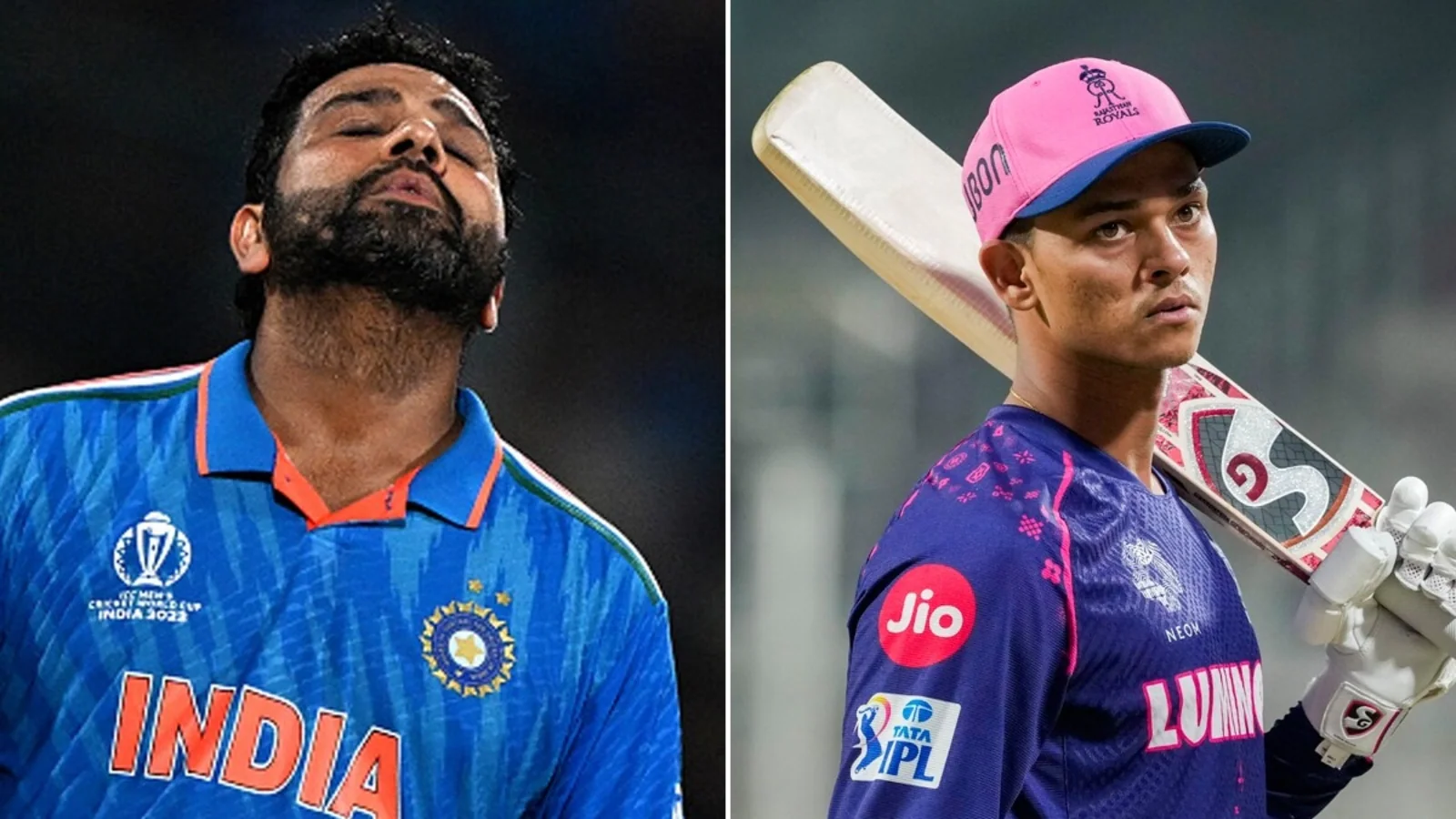
India’s camp remains optimistic. Captain Rohit Sharma noted, “We came here to acclimatise, and that includes learning to play under pressure – even if the pressure comes from the sky.” The team’s top order, led by Sharma and KL Rahul, will look to set a competitive total before any rain intervenes.
Historical Significance and Asian Games Impact
This fixture is more than a cricketing novelty; it commemorates 75 years of diplomatic ties between India and Japan, a partnership first forged in 1651. A recent Asian Games feature highlighted that “163 years before India‑Japan T20I, cricket’s first match in Japan had revolvers behind the stumps,” underscoring the sport’s quirky past in the baseball‑obsessed nation.
Beyond symbolism, the match serves a strategic purpose. With the Asian Games slated to begin in Nagoya, India seeks to fine‑tune its squad for the humid Japanese summer. The Japanese side, meanwhile, hopes to showcase its rapid development and attract a new fan base.
Analysts predict that a rain‑affected game could still deliver valuable data. “Even a truncated 10‑over spell gives us insights into pitch behaviour under moisture,” explained former India coach Ravi Shastri. For Japan, the exposure to world‑class bowlers in live conditions is a priceless learning curve.
Should the match be called off, the cricket boards have agreed on a contingency: a 20‑over exhibition the following day, weather permitting, to preserve the historic milestone and keep fans engaged.
FAQ
What is the significance of the India vs Japan T20I?
The game is the inaugural senior men’s bilateral T20 International between the two nations, celebrating 75 years of diplomatic relations and providing both teams a crucial warm‑up for the Asian Games.
Will the match be played despite Typhoon Dujuan?
Organisers are monitoring the storm closely. If rain makes the ground unplayable, officials may abandon the match or reschedule a shortened exhibition the next day.
How does this match affect the Asian Games cricket schedule?
India uses the fixture to acclimatise to Japanese conditions, while Japan aims to test its players against top‑tier opposition. Both teams hope the experience will boost their performance in the upcoming Asian Games.
Final Thoughts
Whether the skies open or stay clear, the India vs Japan encounter stands as a landmark moment for cricket’s expansion in East Asia. The blend of historic celebration, strategic preparation, and weather drama encapsulates the unpredictable beauty of sport. Fans and players alike will watch the clouds as closely as the scoreboard, knowing that every drop could write a new chapter in cricket’s global story.


Leave a Reply