

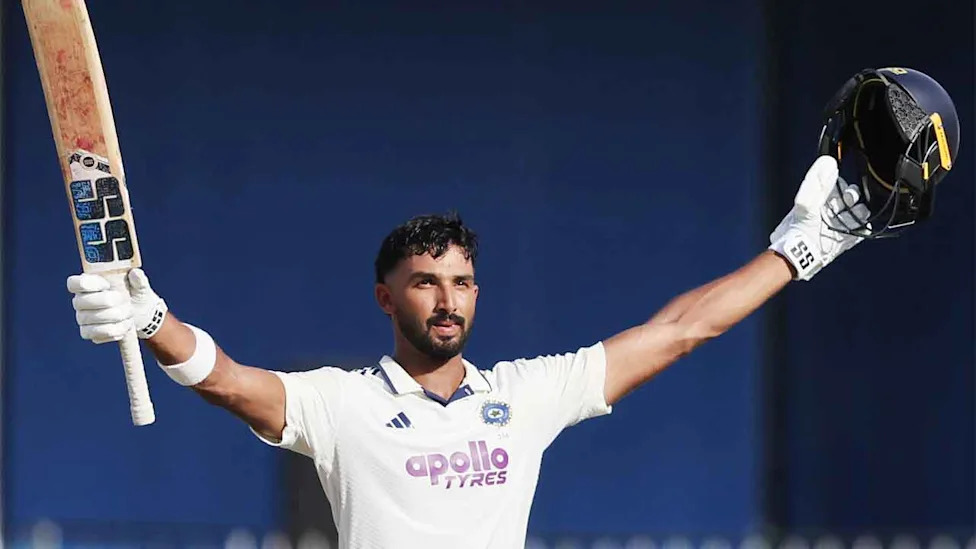
Day One: Padikkal’s Masterclass
Devdutt Padikkal Hits a brilliant 117 as India seize control on the opening day of the second Test in Colombo. The young left‑hander remained unbeaten from 178 balls, lobbing 12 boundaries and a six to push the hosts to 300‑5 at stumps.
The innings came on a pitch that offered just enough movement to keep the bowlers honest, yet it was Padikkal’s composure that turned the tide. By the close of play, India held a comfortable lead, and the momentum had shifted decisively in their favour.
Partnerships That Turned the Tide
Padikkal’s century was built on two pivotal partnerships. First, a 84‑run stand with KL Rahul steadied the innings after an early wicket. The duo weathered the new‑ball threat, rotating the strike and punishing loose deliveries.
After Rahul’s dismissal, Padikkal joined forces with Shubman Gill. Together they added 92 runs, with Padikkal anchoring the innings while Gill accelerated the scoring rate. The partnership not only pushed the total past 250 but also neutralised the impact of Rishabh Pant’s injury, as Pant retired hurt on Day 1.
“When a senior player goes down, the responsibility falls on the younger ones,” Padikkal said in the dressing‑room. “I just tried to play my natural game and let the runs flow.”
Key Statistics
- Runs: 117* (unbeaten)
- Balls faced: 178
- Boundaries: 12 fours, 1 six
- Partnerships: 84 with Rahul, 92 with Gill
- Team total at stumps: 300‑5
Impact Analysis
Padikkal’s back‑to‑back centuries have cemented his place at No. 3 in the Test line‑up. The consistency he displayed against Sri Lanka mirrors his performances earlier in the series, where he also notched a hundred.
The innings also has strategic implications. With Pant sidelined, the Indian side now looks to Padikkal and Gill to provide the bulk of the run‑making, while the lower order will need to step up. The psychological edge gained from a 300‑run first‑innings total puts Sri Lanka under pressure to chase a sizable deficit.
From a series perspective, the win positions India favourably for a series‑leveling victory. The Sri Lankan bowlers, who had been effective in the first Test, now face a batsman in peak form who can negotiate swing and spin alike.
Moreover, the innings highlights the depth of India’s batting pool. Padikkal’s ability to adapt after a teammate’s injury demonstrates maturity beyond his years, a trait that will serve the team well in the upcoming tours.
What This Means for the Rest of the Series
- India can afford a more aggressive approach in the second innings, knowing they have a solid platform.
- Sri Lanka must rethink their bowling plans, perhaps introducing more variations to unsettle Padikkal.
- The momentum shift may influence selection decisions, especially regarding the wicket‑keeping role after Pant’s injury.
FAQ
How many runs did Devdutt Padikkal score?
Padikkal scored an unbeaten 117 runs, marking his second consecutive Test hundred.
What was India’s score at the end of Day 1?
India were 300‑5 at stumps, a total built largely on Padikkal’s innings and two significant partnerships.
How did Rishabh Pant’s injury affect the innings?
Pant retired hurt early in the day, but Padikkal’s steadying presence helped the team recover and maintain momentum.
Final Thoughts
Devdutt Padikkal Hits another landmark century, reinforcing his role as a cornerstone of India’s Test batting. The innings not only gave India a commanding first‑innings total but also showcased the team’s resilience in the face of adversity. As the series progresses, Padikkal’s form will be a key factor in India’s quest for a series win, while Sri Lanka will need to devise new strategies to counter the emerging left‑handed maestro.
Leave a Reply