

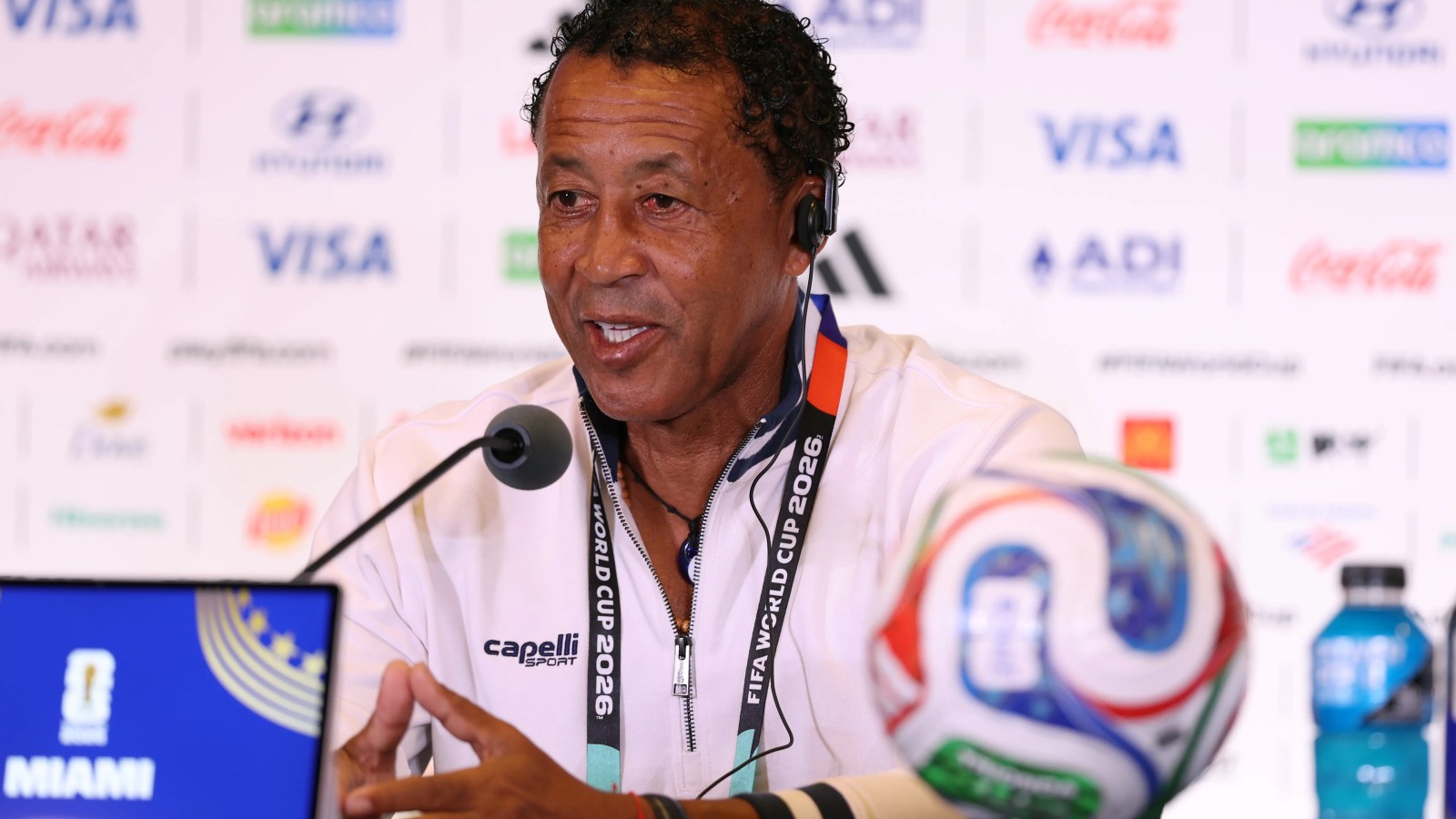
Cape Verde are entering a significant period of transition with Bubista leaving his role as head coach to take over at Moroccan club RS Berkane, bringing an important chapter in the national team’s recent history to a close. The 56-year-old has been closely tied to one of the most notable spells in Cape Verdean football, and his departure matters because it breaks the continuity of a side that had built clear momentum under his leadership. RS Berkane’s decision to appoint Bubista also highlights the value of the work he has done on the international stage, with his next challenge now shifting to the demands of club management. For Cape Verde, the immediate focus is on how quickly the federation can respond and what this change will mean for the team’s direction in the months ahead.
- Bubista is leaving his role as Cape Verde head coach to take over at Moroccan club RS Berkane.
- The 56-year-old has been identified as the new RS Berkane coach on a deal described as lasting two seasons or two years.
- The timing of the move is described as immediate or taking place in the next few days.
- Bubista departs after guiding Cape Verde through what has been described as a historic World Cup run.
- Cape Verde must now manage a coaching change at a crucial moment as attention shifts to the team’s next phase.
A notable end to an important spell
Bubista’s exit is significant not simply because a coach is moving on, but because it follows a period in which Cape Verde strengthened both its standing and its profile. International teams often depend heavily on managerial stability, particularly when they are trying to build on progress rather than start again. When that stability is broken, even by a move that reflects well on the departing coach, the next steps become critical. Cape Verde must now protect the gains made under Bubista while deciding whether the next appointment should preserve the same ideas or take the team in a different direction.
The description of Cape Verde’s recent progress as a historic World Cup run gives this departure added weight. Even without a fuller list of match details or tournament milestones here, that phrase alone suggests Bubista’s tenure carried unusual importance in the context of the nation’s football story. Coaches are often judged by whether they raise expectations, and one of the hardest consequences of success is that it changes the standard for whoever comes next. That is now Cape Verde’s challenge: this is no longer only about replacing a coach, but about sustaining a level that players and supporters have come to believe is possible.
That is why the timing of this change feels especially important. Momentum in international football can be fragile, and progress is not always easy to preserve once a cycle is interrupted. A coach who has already established trust, rhythm and a clear message gives a national side a platform that can be difficult to recreate quickly. Cape Verde are therefore not simply losing a manager; they are losing a figure who had become central to the team’s recent identity. The federation’s next move will have to balance urgency with long-term judgment.
There is also a broader significance to the end of Bubista’s spell. For emerging football nations, periods of upward movement can be defining, shaping belief inside the squad and changing how the team is viewed from the outside. When a coach is closely associated with that rise, his departure naturally carries more weight than a routine change on the touchline. Cape Verde now face the task of ensuring that this moment is remembered as a transition within a larger project rather than the point at which progress began to stall.
What RS Berkane are getting and what Cape Verde lose
For RS Berkane, the move suggests clear confidence in Bubista’s ability to transfer his experience from international football into the club game. A two-season, or two-year, agreement points to more than a short-term experiment and implies a degree of planning around his arrival. Clubs do not commit to that kind of timeframe without expecting structure, identity and results to follow. Bubista’s age and experience also fit the profile of a manager expected to bring authority and composure, especially in an environment where quick adaptation is usually essential.
The appeal is easy to understand. International coaching demands efficiency, clarity and the ability to build cohesion in limited time, all qualities that can translate well to the club game when a side needs direction. RS Berkane appear to be betting that the discipline and leadership Bubista showed with Cape Verde can now be applied in a more constant day-to-day setting. The challenge, of course, will be different. Club football brings a different rhythm, a different level of daily scrutiny and a different kind of pressure, but the appointment indicates belief that he is equipped to handle that shift.
From Cape Verde’s perspective, the loss is about more than the departure of a familiar figure on the touchline. National-team coaching is often built around limited contact time, which makes clarity, trust and consistency especially valuable. If a coach has already established those elements, replacing them is rarely straightforward, no matter how capable the successor may be. The players now face an uncertain period in which methods, messaging and selection dynamics could all shift, and that can affect rhythm just as much as any tactical adjustment.
There is also the question of timing. The available information points to the move taking effect immediately or within the next few days, leaving Cape Verde with little room for a gradual handover. Sudden changes can force federations into quick decisions, and speed does not always produce the best long-term fit. At the same time, an immediate departure at least provides clarity, allowing Cape Verde to begin planning without the distraction of an unresolved situation hanging over the squad. The key issue now is whether the federation can turn that clarity into a coherent next step.
Bubista’s move can also be read as a reminder of how success at international level opens doors elsewhere. When a national side enjoys a notable run, the coach naturally becomes more visible, and that visibility can lead to opportunities in the club game, where the day-to-day work is different but the expectations are no less intense. In that sense, RS Berkane’s decision reflects the reputation Bubista has built. For Cape Verde, however, it creates a familiar dilemma for emerging football nations: progress attracts attention, and attention can make it harder to keep the people who helped drive that progress in the first place.
The next appointment will therefore carry strategic importance. Cape Verde must decide whether to seek continuity with someone who can preserve the framework Bubista leaves behind, or whether this is the moment for a broader reset. Both approaches carry risk. Continuity can protect momentum, but it can also be difficult to replicate the authority of a coach who had already earned the group’s trust; change can refresh a team, but it can also unsettle one that had found a productive balance. That decision will shape not only the short-term mood around the squad but also the wider trajectory of the national team.
What comes next is now the central question for both parties. RS Berkane will expect Bubista to begin quickly and justify the confidence shown in a deal described as lasting two seasons, while Cape Verde must act decisively to manage the transition left by a 56-year-old coach who oversaw a historic period. The departure closes one chapter cleanly, but it also raises the stakes for the one that follows. If Cape Verde respond with a smart and stable appointment, this change may become a moment of renewal rather than disruption; if not, the challenge will be to ensure that the momentum built under Bubista does not fade with his exit.



Leave a Reply