

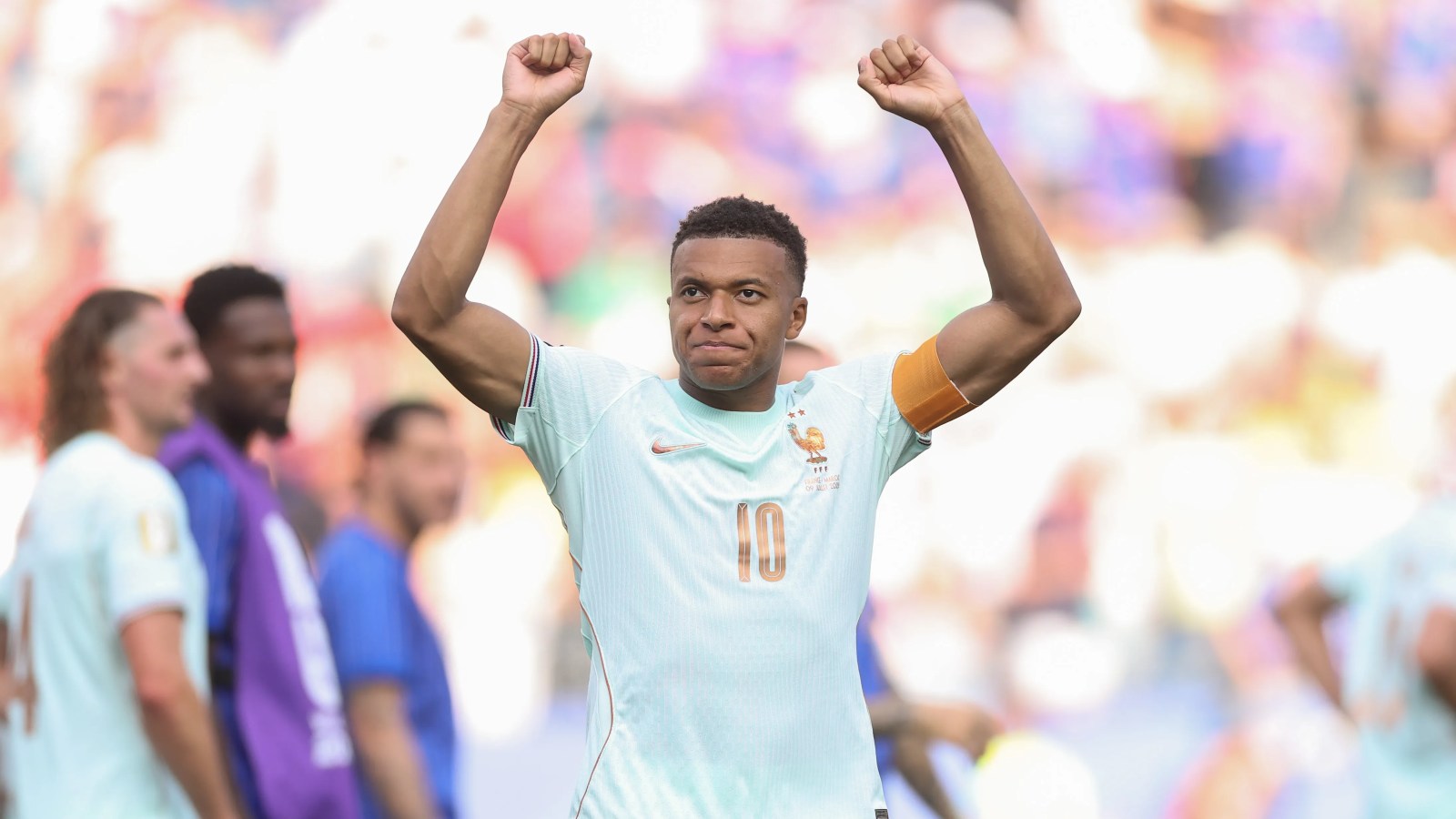
France and Spain are set to meet in a FIFA World Cup 2026 semi-final in Dallas on 14 July 2026, with kickoff listed at 19:00 local time, in a clash that already stands out as one of the defining fixtures of the tournament. The meeting brings together two teams that have reached the last four in sharply contrasting fashion, with France arriving as the strongest attacking side among the semi-finalists and Spain building their run on the tournament’s most solid defensive platform. That contrast gives the game immediate shape and significance before a ball is kicked. It is a semi-final that pits elite firepower against elite control, and that alone makes it one of the most compelling occasions of this World Cup.
- France and Spain are due to face each other in the FIFA World Cup 2026 semi-final in Dallas on 14 July 2026.
- Kickoff for the semi-final is listed at 19:00 local time.
- The venue is identified as Dallas Stadium, with another live listing referring to the same match at AT&T Stadium in Dallas.
- Both teams have reached the semi-finals, and the matchup is being framed as one of the tournament’s standout fixtures.
- France has been described as the strongest attacking side among the semi-finalists, while Spain had been the most solid defensive team and had only recently conceded their first goal.
A semi-final built on contrasting strengths
The appeal of this contest begins with the stylistic tension between the two sides. France’s route to the semi-final has established them as the most potent attacking team left in the competition, a label that carries real weight at this stage of a World Cup. In knockout football, attacking fluency can overwhelm even the best-organised opponents, especially as pressure rises and margins tighten. France’s place in the last four suggests they have found ways not only to create chances, but to turn attacking superiority into meaningful tournament progress.
Spain, by contrast, have reached this stage with defensive authority setting the tone. They had only recently conceded their first goal, underlining just how difficult they have been to break down during the tournament. That record points to a side that has controlled matches carefully, denied space efficiently and resisted the emotional swings that can define knockout football. A team that protects itself that well does more than defend; it dictates rhythm, frustrates opponents and forces games to be played on its own terms.
That is what gives the semi-final its edge. France’s attacking status is not just a compliment but a direct challenge to Spain’s defining strength, while Spain’s defensive consistency is the clearest possible test of France’s forward momentum. In practical terms, the match shapes up as a contest over territory, patience and risk. If France can impose pace and pressure, they may turn the game into the kind of open contest that favours an attack-minded side. If Spain can slow the tempo and maintain their structure, they can make every French opening feel hard-earned.
Why Dallas is the stage for a defining night
The setting adds another layer to the occasion. The match is listed for Dallas, with the venue identified as Dallas Stadium and also referred to in another live listing as AT&T Stadium in Dallas, placing one of the tournament’s biggest games in one of its most high-profile host cities. Semi-finals are always shaped by atmosphere as much as tactics, and a game of this magnitude will inevitably carry a final-like intensity. Even without drifting into exaggeration, it is clear that a France-Spain meeting at this stage carries the weight expected of a marquee World Cup night.
The timing matters too. A 19:00 local kickoff places the game squarely in prime time, heightening the sense that this is an event built for maximum attention and maximum pressure. By the semi-final stage, there is little room for recovery within a match and almost none after a mistake. Every tactical choice becomes sharper, every spell of control more valuable and every lapse more dangerous. That is especially true when the teams involved have arrived here through such clearly defined strengths.
For France, the challenge is to prove that attacking excellence can still decide a match against the tournament’s most reliable defensive side. Knockout football often demands flexibility as much as flair, and this semi-final may require France to show patience as well as ambition. The strongest attacking team among the semi-finalists will not necessarily be given space or momentum early, so the ability to sustain pressure without losing balance could be crucial. Their threat is established, but this game asks whether that threat can remain decisive against the most resistant opponent available.
Spain’s task is equally exacting, because defensive strength in a semi-final must do more than simply survive. Having only recently conceded their first goal, they have shown a capacity to keep games under control and prevent opponents from finding a comfortable attacking rhythm. Against France, that control will be tested at a higher level, and the semi-final may come down to whether Spain can preserve their composure when pressure arrives in waves. The deeper significance for Spain is that this is the kind of match in which a defensive identity can become a statement of championship credibility.
There is also a broader tournament meaning to the fixture. When two semi-finalists arrive with such distinct reputations, the match becomes a referendum on what has mattered most in this World Cup: attacking force or defensive certainty. France represent the argument that decisive forward play remains the surest route through elite opposition. Spain represent the case for structure, discipline and the ability to deny chaos. Whichever side advances will do so having validated its defining quality on the biggest stage short of the final itself.
That is why this semi-final already feels so significant within the shape of the tournament. It is not simply a meeting between two famous teams, but a collision between two of the clearest identities left in the field. France’s attacking standing and Spain’s defensive record have not been peripheral notes; they have been central to how each side has reached this point. In a World Cup semi-final, that kind of clarity creates drama because it invites one unavoidable question: which strength holds up best when the stakes are at their highest?
What comes next is a night in Dallas that will decide who plays for the World Cup. France enter with the reputation of the strongest attack among the remaining teams, while Spain arrive with the tournament’s most convincing defensive foundation, making the semi-final a direct test of each side’s defining edge. Kickoff is set for 19:00 local time on 14 July 2026, and by the end of it one of the standout fixtures of the competition will have produced its most important answer. The winner moves on to the final; the loser is left to wonder whether attack or defence fell just short when it mattered most.



Leave a Reply