

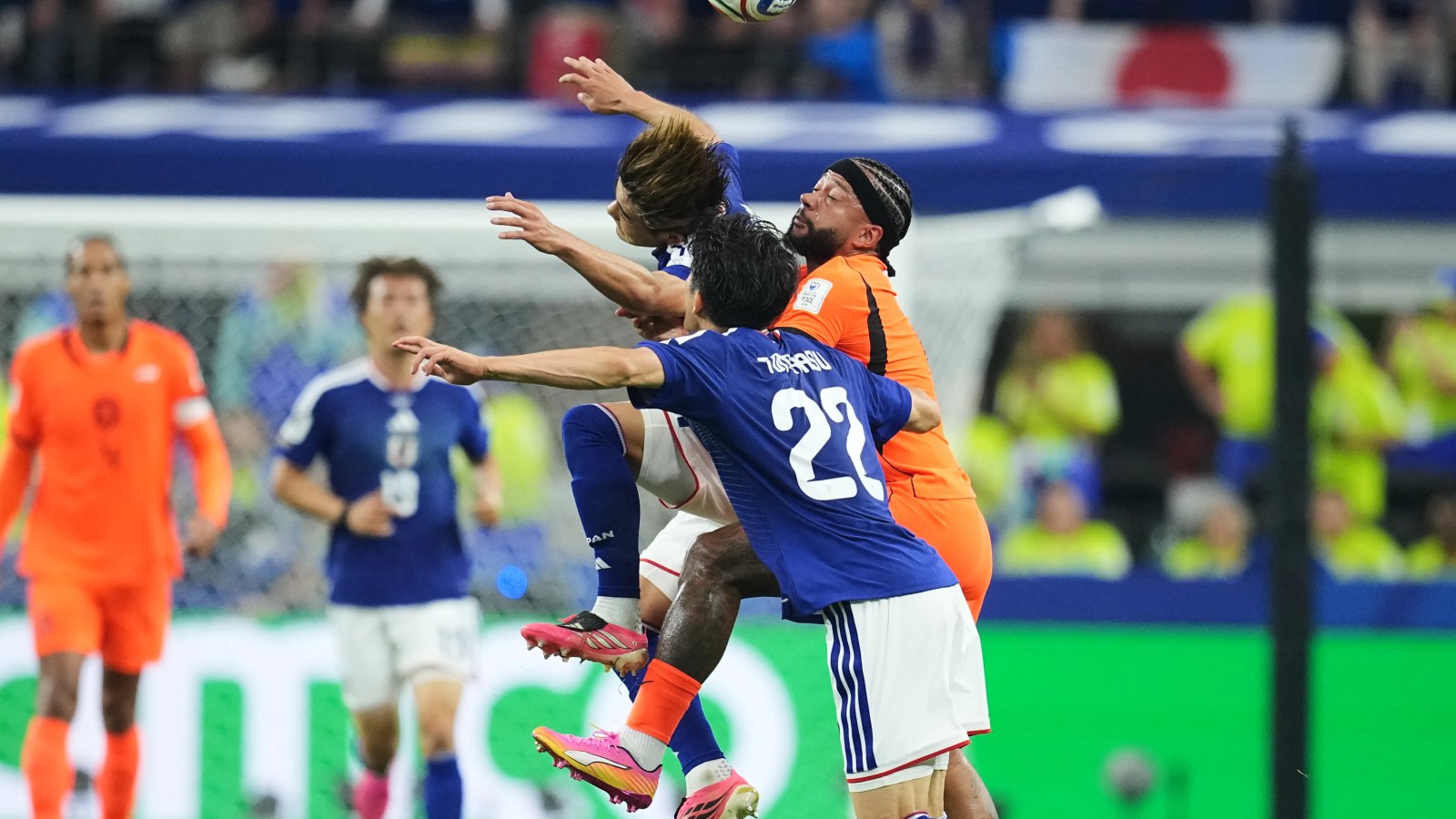
Japan’s 2026 FIFA World Cup campaign ended with a 2-1 defeat to Brazil in the Round of 32, closing the door on the team’s hopes of pushing deeper into the tournament. Kaishu Sano was Japan’s standout performer on the day, scoring his side’s only goal in a match that again highlighted the scale of the challenge posed by one of world football’s traditional powers in knockout competition. The result matters not only because it ends Japan’s tournament, but also because it marks another step in the team’s ongoing effort to turn solid World Cup participation into a genuine breakthrough on the biggest stage. Japan had done enough to reach the knockout phase, but the margin for error narrowed sharply once the competition shifted to direct elimination.
- Japan was eliminated from the 2026 FIFA World Cup after a 2-1 defeat to Brazil in the Round of 32.
- Kaishu Sano scored Japan’s only goal of the match.
- The result ended Japan’s World Cup campaign at the first knockout hurdle.
- Japan had reached the knockout stage before being drawn against Brazil.
- Following elimination, Japan’s squad has returned home.
Knockout football leaves little room for recovery
The defining feature of knockout football is its finality, and Japan experienced that harsh reality against Brazil. Reaching the Round of 32 confirmed that Japan had navigated the tournament well enough to survive beyond the opening phase, a reflection of a disciplined and competitive campaign. Yet the shift from group-stage progress to elimination-round success is often where the finest margins become decisive. Against an opponent of Brazil’s stature, Japan needed both resilience and efficiency, but the 2-1 scoreline showed that even finding a goal of their own was not enough to keep the run alive.
Sano’s goal gave Japan a tangible attacking return in a match of major consequence and ensured the team did not leave the tournament without a meaningful response in the knockout stage. In fixtures like this, the scorer often becomes the focal point of a nation’s resistance, especially when the overall result ultimately goes against the side. His strike stands as Japan’s clearest attacking moment of the contest and gives the performance a distinct individual highlight amid the disappointment of elimination. Even so, the broader reality remains unchanged: Japan could not find the extra edge required to overturn Brazil or force the match in a different direction.
What the result says about Japan’s tournament
There is still significance in the fact that Japan reached the knockout stage of the 2026 World Cup. Advancing beyond the opening phase is evidence of a team capable of competing in a demanding international environment, handling pressure and earning the right to face elite opposition in a win-or-go-home match. That progress matters because World Cups are judged not only by the final destination, but also by whether a team consistently places itself in meaningful matches deep enough into the tournament. Japan did that here, even if the campaign stopped short of the longer run supporters would have wanted.
The defeat to Brazil also underlines the gap that still exists between being a dangerous tournament side and becoming one that can regularly remove the biggest names from the bracket. A 2-1 loss is narrow enough to suggest Japan remained competitive, but elimination means the match ultimately reinforced how difficult the next step can be. The challenge for Japan is to turn these knockout appearances into victories that reshape expectations. That requires not only reaching this stage, but also finding a way to control decisive moments against opponents accustomed to surviving them.
From a wider perspective, the end of the campaign now shifts attention from tournament ambition to reflection and reset. With the squad having returned home, the immediate emotion is likely to be disappointment, because any World Cup exit carries a sense of unfinished business. At the same time, there is a clear difference between an early collapse and a campaign that lasted into the knockout rounds before ending against Brazil. Japan leaves the competition with proof that it belonged in the elimination phase, but also with a firm reminder that progress at this level is measured by what happens once the bracket tightens.
For Brazil, the result meant safe passage into the next round; for Japan, it brought an abrupt halt to the momentum built earlier in the tournament. That contrast is the essence of knockout football: one side moves forward with belief strengthened, while the other is left to examine what might have been. Japan’s ability to score against Brazil showed the match was not a one-sided surrender, and that matters when assessing the competitive standard of the performance. Still, the final outcome is what defines the historical record, and that record will show a World Cup campaign that advanced into the Round of 32 before ending in a narrow defeat.
Looking ahead, Japan’s task is to use this exit as a reference point rather than simply a regret. Reaching the knockout stage again would confirm consistency, but the larger objective will be to go beyond it and turn competitive displays into landmark results. Sano’s goal offers one positive image from the final chapter of the campaign, yet the bigger story is that Japan’s World Cup is over and the team must now build toward the next opportunity. The return home closes this tournament in practical terms, but the lessons from a 2-1 defeat to Brazil are likely to shape the next phase of Japan’s international development.



Leave a Reply