

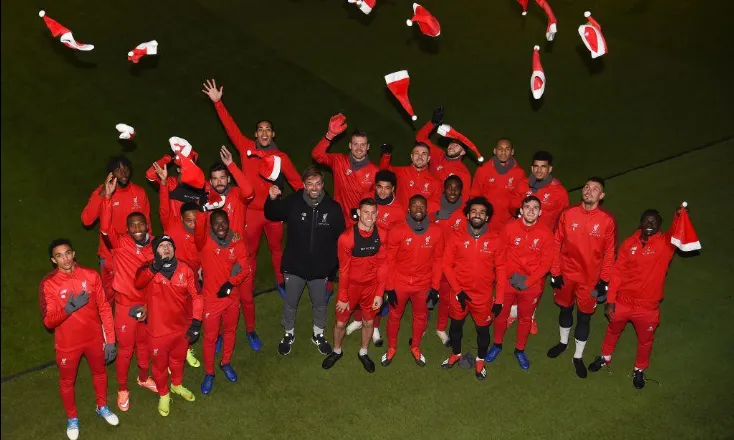
Christmas Day training has become an established part of professional football in the UK, with many players expected to keep their fitness up and prepare for the upcoming Boxing Day matches. This festive tradition is particularly entrenched in the English top-flight, as well as in Scotland, Wales, and Ireland, where matches are scheduled for Boxing Day.
For many professional footballers, training on Christmas Day is a necessity. With matches planned for the following day, it’s the final opportunity for managers to fine-tune tactics and ensure players are match-fit. “When you have your kids playing with their new toys and you have to go training, that is a big sacrifice,” former Sheffield United, Tottenham, and Fulham midfielder Michael Brown shared with the BBC. “It’s not about money – it’s just human nature.”
Football clubs, especially those with home games scheduled for Boxing Day, typically hold Christmas Day training sessions in the morning or early afternoon. This allows players to spend some time with their families before the festivities begin. However, for teams playing away, the situation becomes more complex. Away matches often require overnight stays in hotels due to long travel times or early kick-offs, meaning players may not return home until after the match.

How Do Players Feel About Christmas Day Training?
While many players understand the importance of training during the holiday period, it doesn’t come without its challenges. Despite their high-profile careers, some footballers find the time spent away from loved ones on Christmas Day difficult. Brown admitted that training during the festive season can be mentally taxing: “I won’t lie, it’s psychologically a challenge not to feel a bit sorry for yourself,” he said. “Sometimes you think about everyone having a good time, but you have to remember how many people would swap positions with you. You have to focus on what you’re doing.”
However, not every footballer has to work on Christmas Day. Teams with no Boxing Day fixture often allow their players a day off, with training pushed to the 26th.
For some players, the schedule works in their favor. Arsenal winger Bukayo Saka, who was set to play at home on the 27th, looked forward to a Christmas with his family. “I haven’t got to travel anywhere, so it’s perfect,” he said before his hamstring injury, which has since ruled him out for several weeks. “I’ll be able to have a Christmas dinner for the first time in a while. I’ll spend it with my family – it’s going to be nice.”
Saka also shared a glimpse of his holiday traditions, adding a personal touch to the festive meal. “I have a little African twist in there – some jollof rice, pigs in blankets, turkey, a bit of gravy on the side, maybe one or two potatoes but no veggies. None of that. I’m happy with that.”
Conclusion
While Christmas Day training is a common fixture in a footballer’s calendar, it is not without its emotional and physical toll. Despite the privilege of their careers, players must balance the demands of the sport with spending quality time with family. Whether it’s a traditional holiday with loved ones or a Christmas spent on the pitch, the spirit of the game remains alive during this festive period.



Leave a Reply