

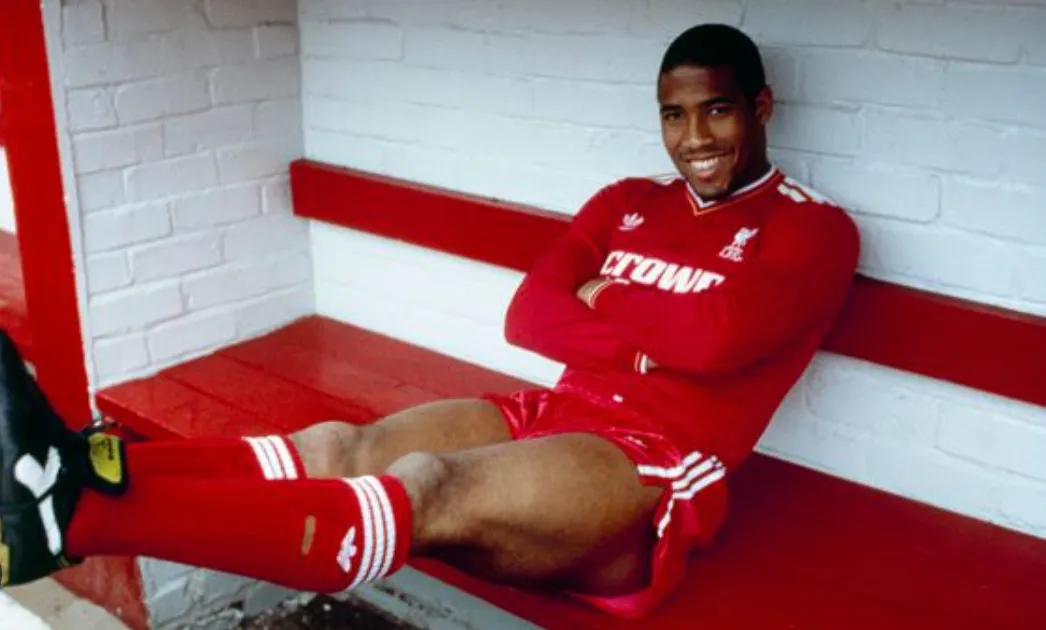
John Barnes, the iconic Liverpool forward, has shared his reflections on joining the Reds at the age of 23, a decision he attributes to wise counsel from the late Graham Taylor. Barnes, who joined Liverpool in 1987 after a successful stint with Watford, was advised by Taylor, Watford’s manager at the time, to wait until he was more prepared for a move to a major club.
Barnes, who had joined Watford at 17 after emigrating from Jamaica, had been a standout player, making his England debut in 1983. Despite his early success and the temptation to move to a top club in his late teens, Taylor urged him to hold off. It wasn’t until Barnes was 23 that Taylor, recognizing his maturity and consistency, advised him that Liverpool was the right destination.
“You don’t just go to a big club because you’re doing well when you’re 18 or 19,” Barnes recounted on The Rest Is Football podcast. “When Luther Blissett moved to AC Milan at 20, I was in the spotlight, scoring goals and performing well. But Graham Taylor emphasized that you need to demonstrate consistent performance over time before moving to a big club.”
Taylor’s guidance proved pivotal, and when Liverpool came calling, Barnes was ready. “He said that now was the right time for me to move, and Liverpool was the perfect club for me,” Barnes recalled. “He felt a responsibility to me as his player and believed this was the right step.”
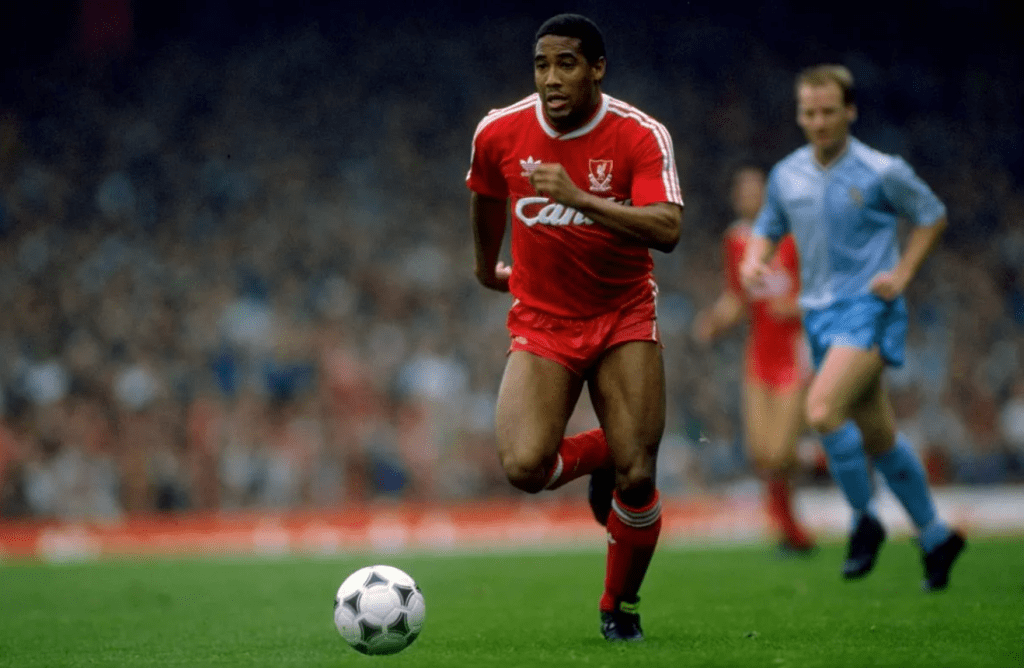
Barnes’ time at Liverpool was highly successful, earning two First Division titles and two FA Cups, and establishing himself as one of the club’s greatest players. Reflecting on his career, Barnes expressed relief at making the move at a more mature age. He believes that moving to Liverpool at a younger age could have negatively impacted his career due to the club’s then-prevailing drinking culture and the pressures faced by younger players.
“I would have hated to move to Liverpool at 18 or 17,” Barnes admitted. “At that age, you might have succumbed to peer pressure and the drinking culture prevalent at the time. Moving at 23, as an experienced international, I was more aware of when to engage and when to hold back.”
Barnes appreciated that his experience in the top flight and his time with England provided him with the respect and maturity needed to succeed at Liverpool. “By then, I had the respect from being a regular player at the highest level and from my international experience. As a young player, you need to earn that respect, often by fitting in with the prevailing culture, which can be challenging.”
In summary, Barnes considers himself fortunate to have joined Liverpool at the right time, allowing him to thrive and avoid potential pitfalls that could have impacted his career had he moved at a younger age.



Leave a Reply