

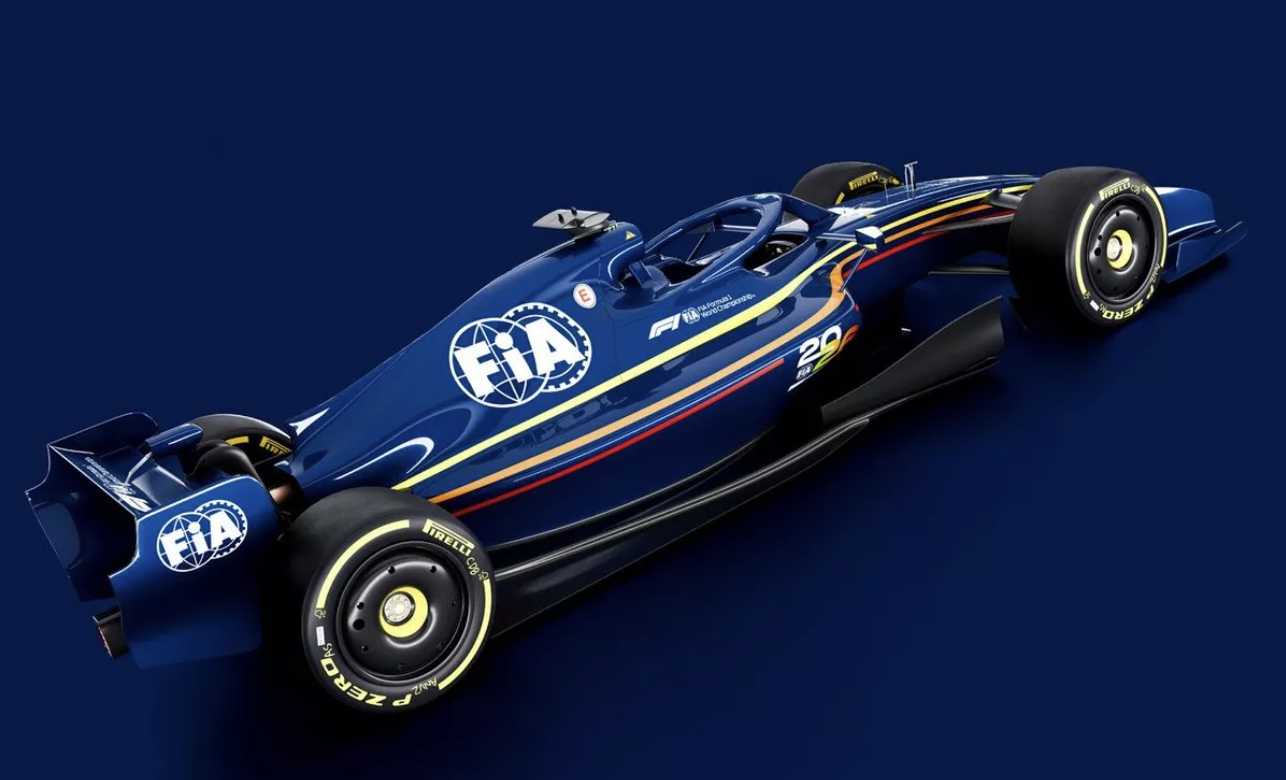
Formula 1‘s sweeping changes set for 2026 have sparked diverse reactions, with debates over increased car weight, reduced cornering downforce, and “crazy” straight line speeds. Yet, the proposal to introduce active aerodynamics, featuring moveable front and rear wings, stands out. Unlike the outgoing DRS, which aids overtaking based on car position, active aero will switch modes at predetermined points on the circuit, aiming primarily to enhance efficiency by balancing low drag on straights and high down force in corners.
This system won’t replace DRS but rather focus on fuel saving efficiency. Every car will toggle from high down force (Z-mode) for corners to low drag (X-mode) for straights simultaneously, eliminating tactical advantages. The key will be the effectiveness of these wings in their respective modes. Given this focus on efficiency, automating the system with sensors could be more logical than driver control.
This progressive development could serve as an inspiration for Formula E. As the electric series introduces the Gen3 Evo next year with four wheel drive and prepares for Gen4 with interchangeable aerodynamic body kits, it has an opportunity to fully embrace moveable aerodynamics. Instead of merely tweaking body kits, Formula E could implement large. Movable aerodynamic surfaces that optimize downforce in corners and minimize drag on straights. Extending battery life and enhancing performance.
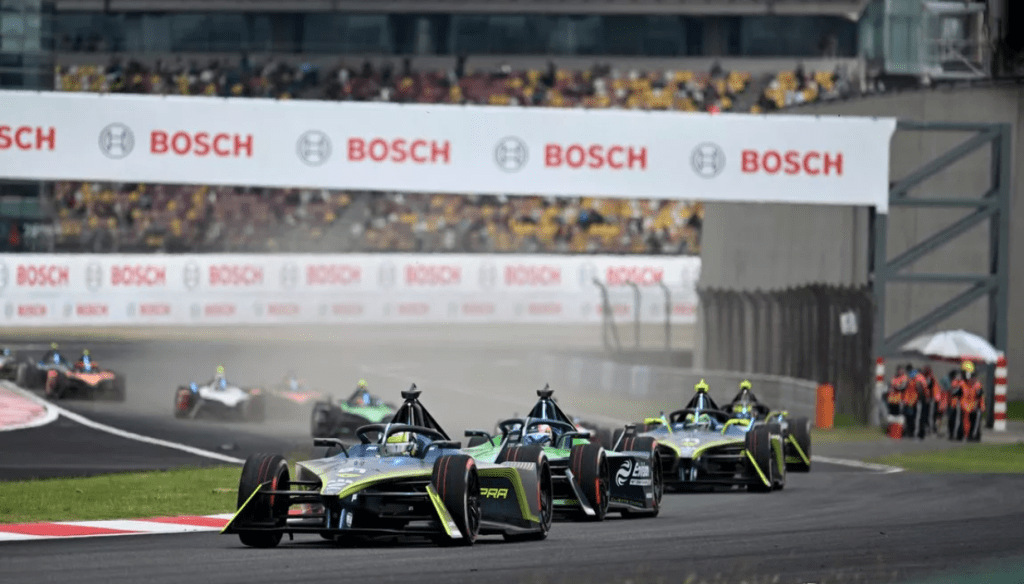
F1 introduced DRS in 2011 to mitigate the loss of downforce in corners when cars followed closely, which hindered over taking. This addressed a core issue without redesigning tracks to encourage varied racing lines. However, Formula E has never needed such measures due to its low down force and the performance disparity driven by powertrains. In Formula E, the high drag helps create energy efficient “peloton” racing, where following another car is beneficial.
The recent Shanghai E-Prix, with its fast corners, was a rare instance where following another car became challenging. With the introduction of four wheel drive in attack mode next year. Overtaking opportunities will increase as drivers can accelerate more effectively. Thus, Formula E should bypass the two bodywork solution and leap to fully programmable active aero. This would allow for independent movement of front and rear wings, optimized automatically for efficiency.
In conclusion, adopting active aero technology tailored to Formula E’s unique dynamics could revolutionize the series. Balancing performance and energy efficiency without resorting to over taking gimmicks. This approach aligns perfectly with the principles of innovation and sustainability that Formula E champions.


Leave a Reply