

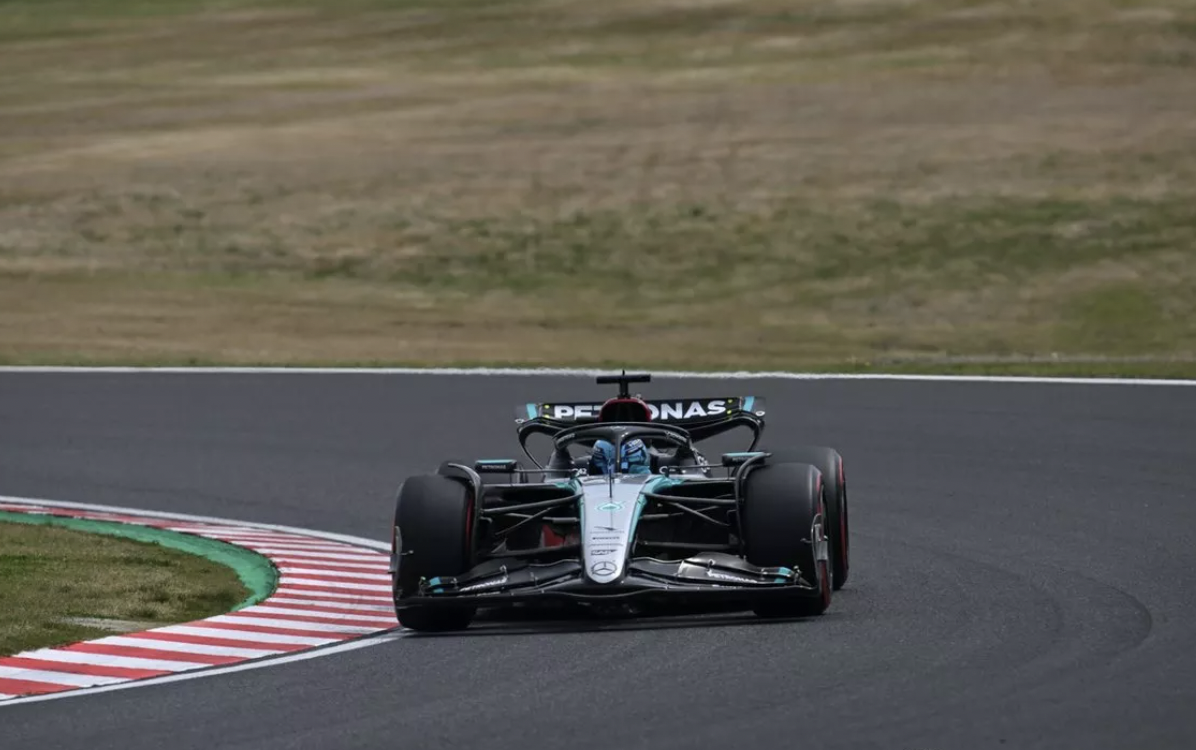
analyzed Mercedes’ Formula 1 inconsistency, particularly in qualifying, following the Bahrain Grand Prix where he qualified ninth, with teammate Lewis Hamilton in seventh.
Russell admitted to a final sector mistake in qualifying, which cost him approximately 0.4 seconds, leaving him with an 0.811 second deficit to pole sitter Max Verstappen. He believed a clean lap could have placed him inside the top five.
The inconsistency in Mercedes’ performance, Russell explained, stemmed from the car’s weaknesses in high speed corners, exacerbated during qualifying when lighter fuel loads altered cornering dynamics.
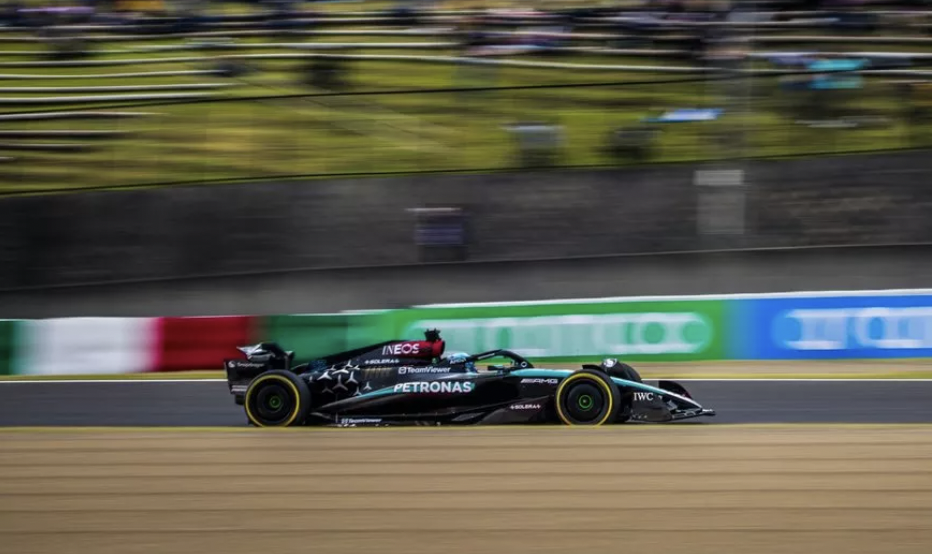
He elaborated that Mercedes was performing well in low and medium speed corners but struggled in high speed sections. This discrepancy was more pronounced in qualifying when speeds increased due to reduced fuel loads.
To address this issue, Mercedes was conducting significant test items to improve high speed performance, aiming to better correlate with data from their factory.
Russell acknowledged that the early races of the season, held at high speed circuits like Bahrain, Saudi Arabia, Australia, and Japan, magnified Mercedes’ struggles. He suggested that a different start to the season, with races at tracks featuring slower corners, would have presented a different scenario for the team.
Overall, Russell emphasized the importance of understanding and rectifying Mercedes’ high speed deficiencies early in the season to remain competitive throughout the championship.

Leave a Reply