

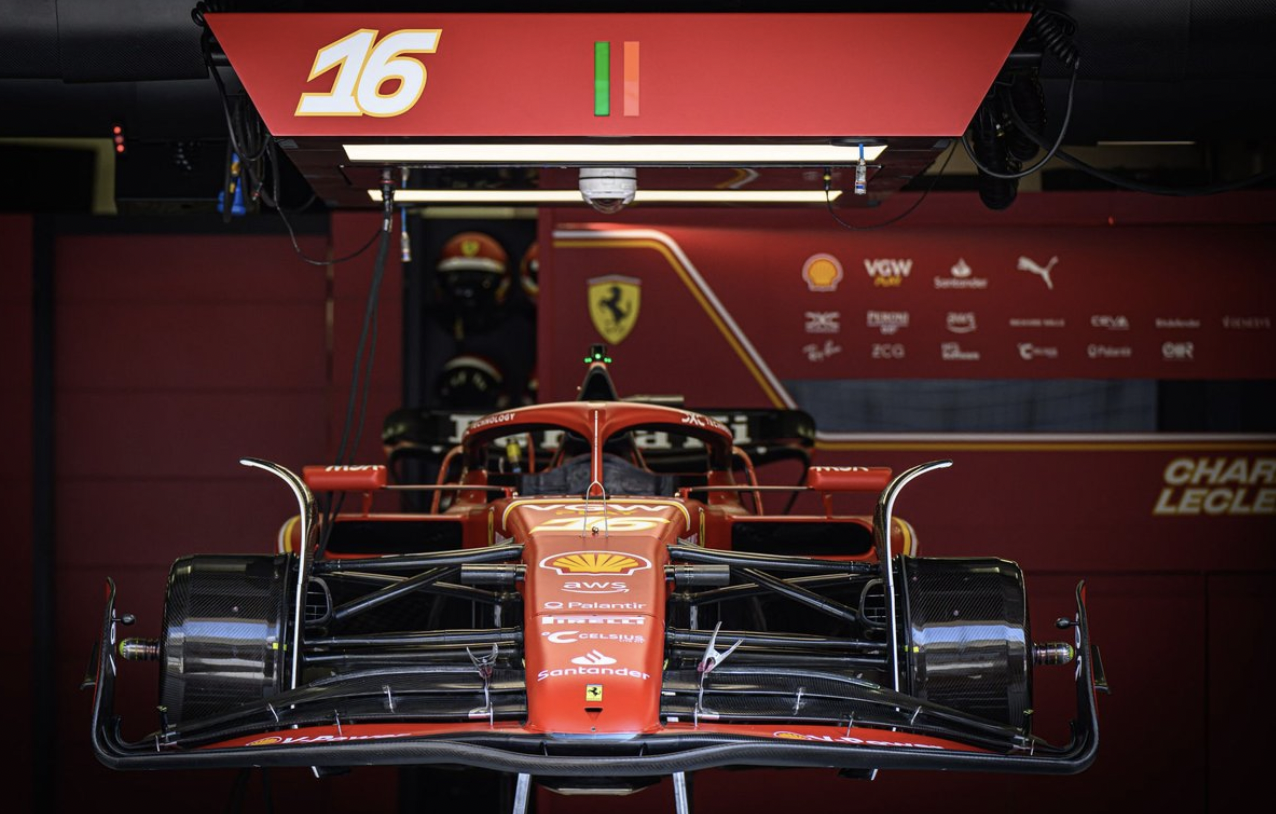
While the lack of track action due to weather conditions at the Bahrain Grand Prix might have disappointed some. It did provide an opportunity to delve deeper into the intricacies of the new Formula 1 car designs that were showcased during early running.
Here are some notable aspects observed from the season opener:
Red Bull’s Evolution: Red Bull’s modifications to the RB20, particularly in the sidepod and engine cover body work, have drawn significant attention. Beyond these changes, alterations to the nosecone length and the relocation of the front wing flap adjuster highlight the team’s pursuit of aerodynamic gains.

Chassis Developments: Comparison of the RB20’s chassis with its predecessors reveals a trend of carving out additional space on the lower corners of the monocoque for aerodynamic purpose. Further package alterations, such as relocating the nose mounting pins and refining the brake reservoir’s shape, demonstrate ongoing refinements.
Cooling Layout Innovations: Red Bull’s cooling layout, while not a zeropod solution like Mercedes’, incorporates novel features to optimize airflow management. Utilizing multiple inlets and a unique arrangement around the halo trail leg, Red Bull aims to enhance cooling efficiency without compromising aerodynamic performance.

Mercedes’ Front Wing Design: Mercedes has introduced a distinctive front wing design for the W15, featuring a slender upper flap and a detached move able section. Consequently, this deliberate design aims to induce a vortex formation, aiding in airflow manipulation and potentially offering performance benefits down stream.
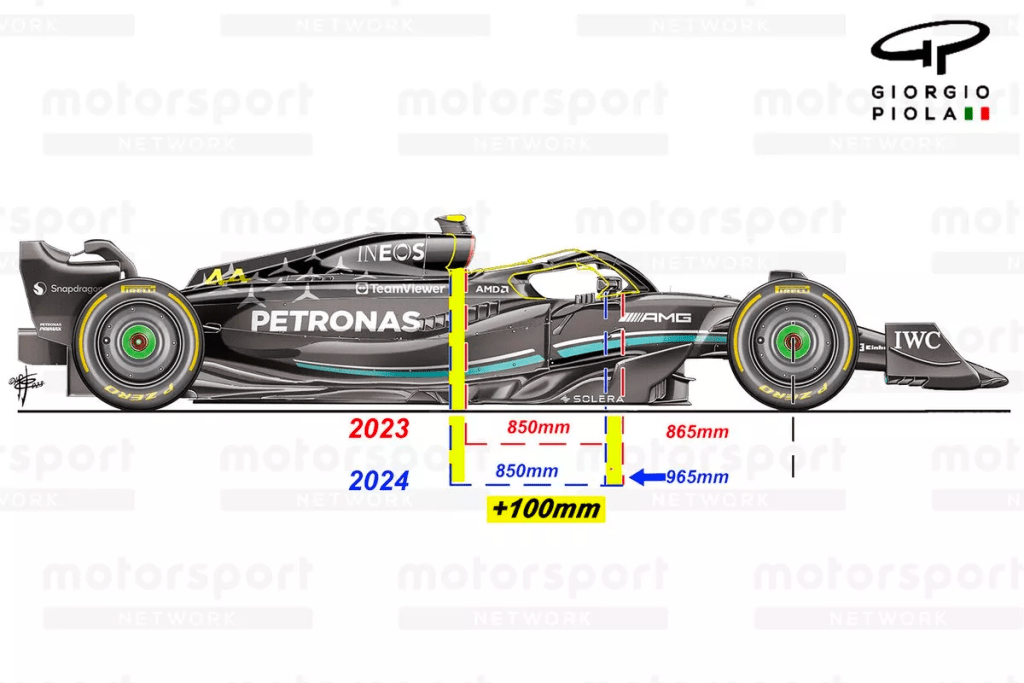
Modularity and Adjustability: Mercedes has introduced modularity into the W15’s design, allow for versatile setup options throughout the season. Additionally, the double mount position for the rear leg of the upper wish bone offers flexibility in adjusting anti-dive and aerodynamic conditions based on circuit requirements.
Driver-Centric Changes: Mercedes has address driver feedback by adjusting the cockpit position and rear suspension layout to enhance perceptual behavior and overall handling.
Ferrari’s Sidepod Update: Ferrari’s SF-24 showcases significant changes to fully exploit the down wash ramp style sidepod solution. Furthermore, moving the lower SIS and adopting the under bite inlet solution optimize aerodynamic performance and body work management.
Williams’ Diveplane Innovation: Williams has adopted a unique diveplane design on the front wing endplate, deviating from conventional shapes to enhance outwash generation and flow unity around key aerodynamic surfaces. Moreover, this innovative approach demonstrates the team’s commitment to pushing boundaries and seeking performance gains in a highly competitive field.
These insights offer a glimpse into the ongoing evolution and innovation within Formula 1, as teams strive to maximize performance within the constraints of the regulations. Furthermore, they highlight the continuous pursuit of excellence and the relentless quest for competitive advantage in the sport.

Leave a Reply