Mercedes, Williams, and Red Bull Introduce Cost-Efficient Airflow Upgrades for F1 Cockpits

Red Bull has modified the headrest behind the drivers helmet to enhance airflow management, particularly benefiting down stream aerodynamics.

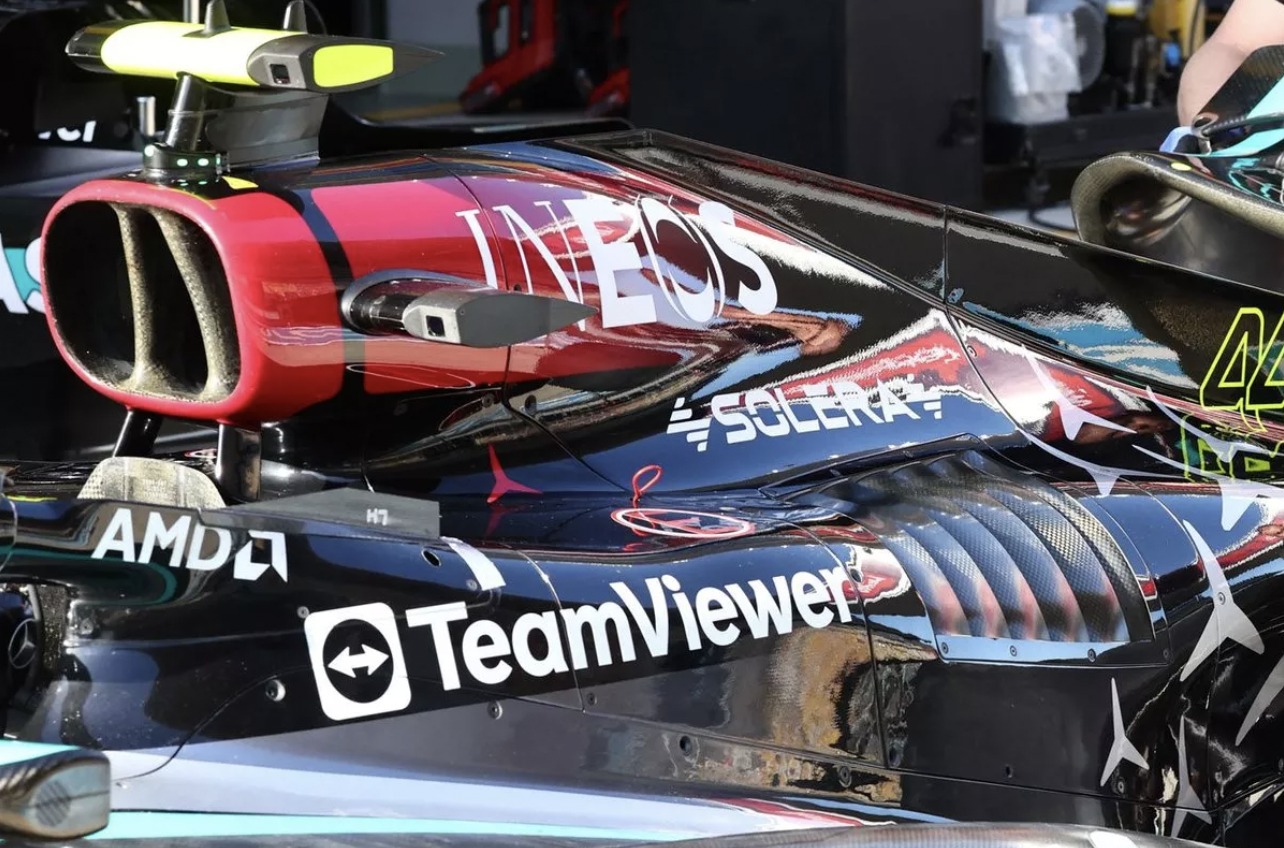
Meanwhile, Mercedes has introduced small flicks on either side of the cockpit behind the Halo, aimed at generating vortices to control airflow exiting the cockpit, thus improving its flow towards the rear wing.

Red Bull's
The halo detail of the Mercedes F1 W15 is under scrutiny

Williams has adjusted the geometry at the forward part of the halo to increase the angle of attack, effectively cleaning up airflow around the halo and reducing losses within the cockpit area. This, in turn, enhances aerodynamic efficiency, particularly benefit the airflow to the rear and beam wing.

Robson highlighted two critical factors behind teams’ decision to introduce upgrades in the cockpit area: the significance of incremental changes and the cost-effectiveness and efficiency of such modifications.

These cockpit airflow upgrades demonstrate teams’ commitment to continuous improvement and optimization. Focusing on details that can yield significant aerodynamic gains while being implement quickly and economically.