

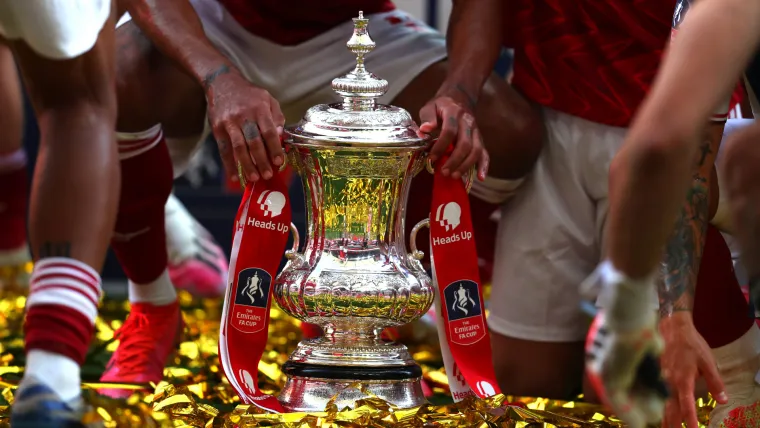
The FA Cup, the world’s oldest football competition, is undergoing significant changes this season that have sparked debate among clubs and fans alike. One of the most controversial changes is the scrapping of replays from the first round proper—a move made as part of a new agreement between the Football Association (FA) and the Premier League. This deal, which guarantees an increase of £33 million per season in grassroots funding, will remain in effect for at least six years.
What’s Changing?
- 🔹 No Replays in Early Rounds:
Traditionally, if a match ended in a draw, a replay would be scheduled. However, this season the decision was made to eliminate replays from the first round proper. This change has already affected teams, as seen when non-league side Tamworth managed to hold Tottenham to a 90-minute draw—what would have been a lucrative replay at Tottenham’s 60,000-capacity stadium. Instead, Tottenham’s quality eventually shone through in extra time, leading to a 3-0 victory. - 🔹 Settling Fourth-Round Ties on the Day:
The fourth-round matches, which kick off on Friday with the high-profile clash between Manchester United and Leicester City, will now be decided on the day. If a tie remains level after the regulation 90 minutes, the match will go into extra time and, if necessary, penalties to determine a winner. - 🔹 Weekend Fixtures with a Twist:
To appease traditionalists who cherished the replay format, the FA has arranged for most of the fourth-round games to be played over the weekend. However, the final tie of the weekend—between Exeter City and Nottingham Forest—is scheduled for Tuesday, February 11. - 🔹 Exclusivity for Premier League Fixtures:
Under the new arrangement, the fourth and fifth rounds and the quarter-finals will be exclusive of Premier League fixtures. Additionally, the final is slated for the penultimate Saturday of the season (May 25), ensuring it won’t clash with any Premier League matches.
Voices from the Top

FA Chief Executive Mark Bullingham believes these changes will ultimately strengthen the FA Cup. He said:
“This new agreement between the FA and the Premier League strengthens the Emirates FA Cup and gives this very special tournament exclusive weekends in an increasingly busy calendar. The new schedule ensures the magic of the Cup is protected and enhanced, while working for the whole of the English game. The longer summer period also allows a much-needed player break before the start of the next season.”

Premier League Chief Executive Richard Masters echoed this sentiment:
“Throughout our discussions, both parties have been committed to enhancing the scheduling of the Emirates FA Cup, a hugely important domestic competition with a storied history.”
What This Means for the Competition
The removal of replays is set to impact clubs differently. For some lower-league and non-league teams, replays have been a vital source of revenue and an opportunity to challenge bigger clubs on their day. With matches now decided on the day, teams must be prepared to perform under increased pressure during extra time and penalties.
For the fans, the new format promises a more streamlined competition with fewer fixture congestion issues. However, the traditional charm of a replay—a chance to see a second showdown—will be missed by many.
As the fourth round unfolds with these new rules in place, the FA Cup will continue to evolve, balancing its rich heritage with modern demands. The debate is sure to continue as clubs adjust to this revamped format in the world’s oldest cup competition.