
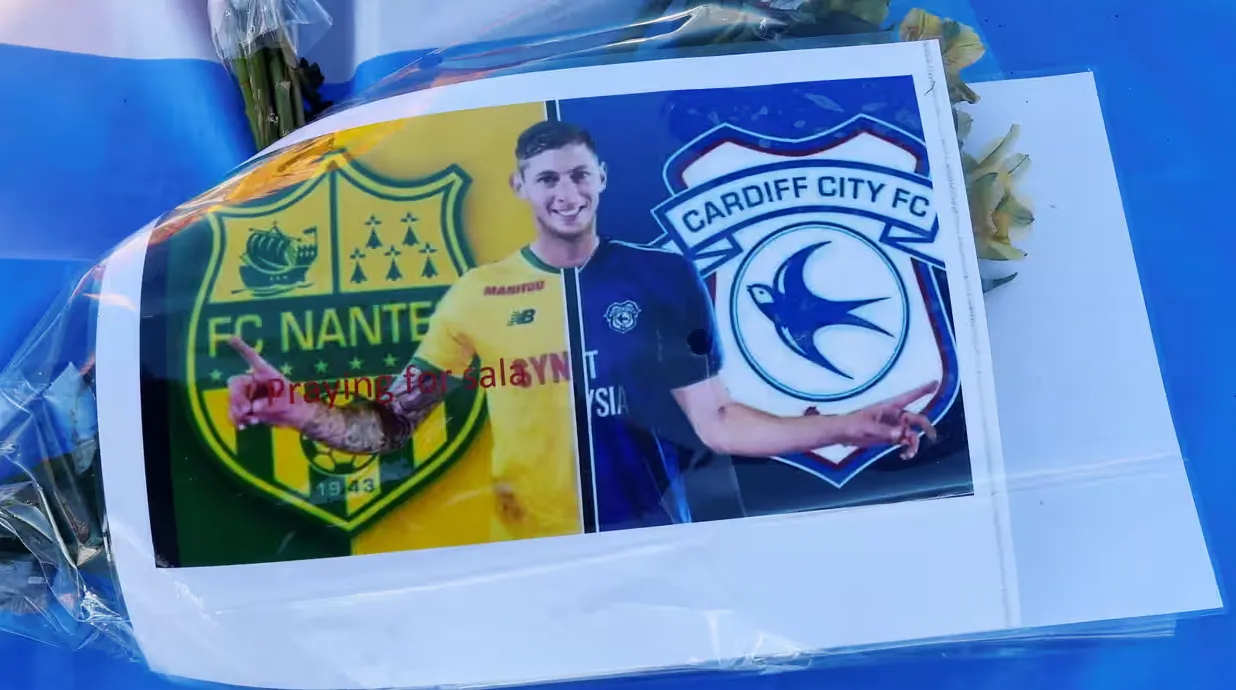
On the sixth anniversary of Emiliano Sala’s untimely death, Cardiff City chairman Mehmet Dalman has renewed calls for sweeping reforms to football’s transfer system. Sala, a 28-year-old Argentinian striker, and pilot David Ibbotson lost their lives when the plane carrying Sala to Cardiff from Nantes crashed into the English Channel on January 21, 2019.
Sala had recently become Cardiff’s record signing at £15 million, viewed as a key figure in the club’s bid to avoid relegation from the Premier League. The tragedy sparked international grief and ongoing legal battles, but Dalman laments that it has failed to bring about meaningful regulatory change in football.
“You would have thought the death of two individuals would have caused an outcry,” Dalman said. “But it hasn’t. It’s not proven to be the catalyst for regulatory change that we hoped.”
A Legacy of Legal Disputes

The aftermath of Sala’s death has been marked by prolonged legal disputes. Cardiff’s appeal to avoid paying Sala’s transfer fee was rejected by FIFA, the Court of Arbitration for Sport, and the Swiss Federal Tribunal. The club has since filed a commercial claim against Nantes for over £100 million, with a verdict expected this year.
Additionally, Cardiff reached an out-of-court settlement last year with agent Willie McKay, who helped arrange the unlicensed private flight that claimed Sala’s life. McKay, who was neither a registered agent in France nor England at the time, had facilitated the transfer on behalf of Nantes, while his son Mark stood to earn 10% of the transfer fee.
The flight itself was fraught with irregularities. The pilot, Ibbotson, lacked a commercial pilot’s license, qualifications to fly at night, and an active rating for the single-engine Piper Malibu aircraft.
Calls for a “Big Bang” in Transfer Regulation

Dalman insists that fundamental changes to football’s transfer system are needed to prevent future tragedies. “Football needs a ‘big bang,’” he said, referencing the financial industry overhaul of the 1980s. “There are two fundamental issues: unregulated agents and why clubs rely on them. These questions must be addressed.”
He added that stricter regulations could have saved Sala’s life. “No unlicensed agent should be allowed to make arrangements for a player. Two lives were lost, and no one has been held accountable. How is that right?”
Lasting Impact on Cardiff City
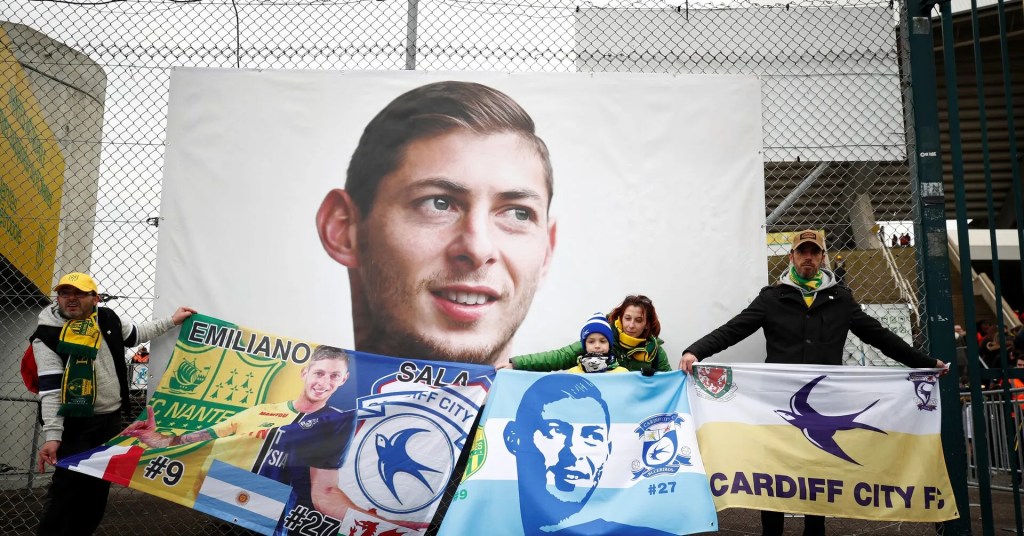
The tragedy has had a profound impact on Cardiff City’s fortunes. The club was relegated from the Premier League in the 2018-19 season by a margin of two points. Dalman believes Sala’s presence could have made the difference. “If he had helped us win one game, we wouldn’t be in this predicament,” he said.
Since the incident, Cardiff’s transfer spending has been significantly curtailed, with no signing exceeding £5.5 million. Dalman attributed this caution to owner Vincent Tan, who “became less confident about the transfer system” after the loss of Sala.
A Plea for Accountability and Change
As Cardiff battles relegation in the Championship, Dalman emphasizes that his calls for reform are not just about the club’s financial loss but about ensuring that football learns from the tragedy. “Justice for Sala can only come from institutional change in football’s transfer business,” he said.
The sixth anniversary of Sala’s death serves as a somber reminder of the gaps in football’s regulatory framework and the urgent need for reform to safeguard players and prevent such tragedies in the future.