


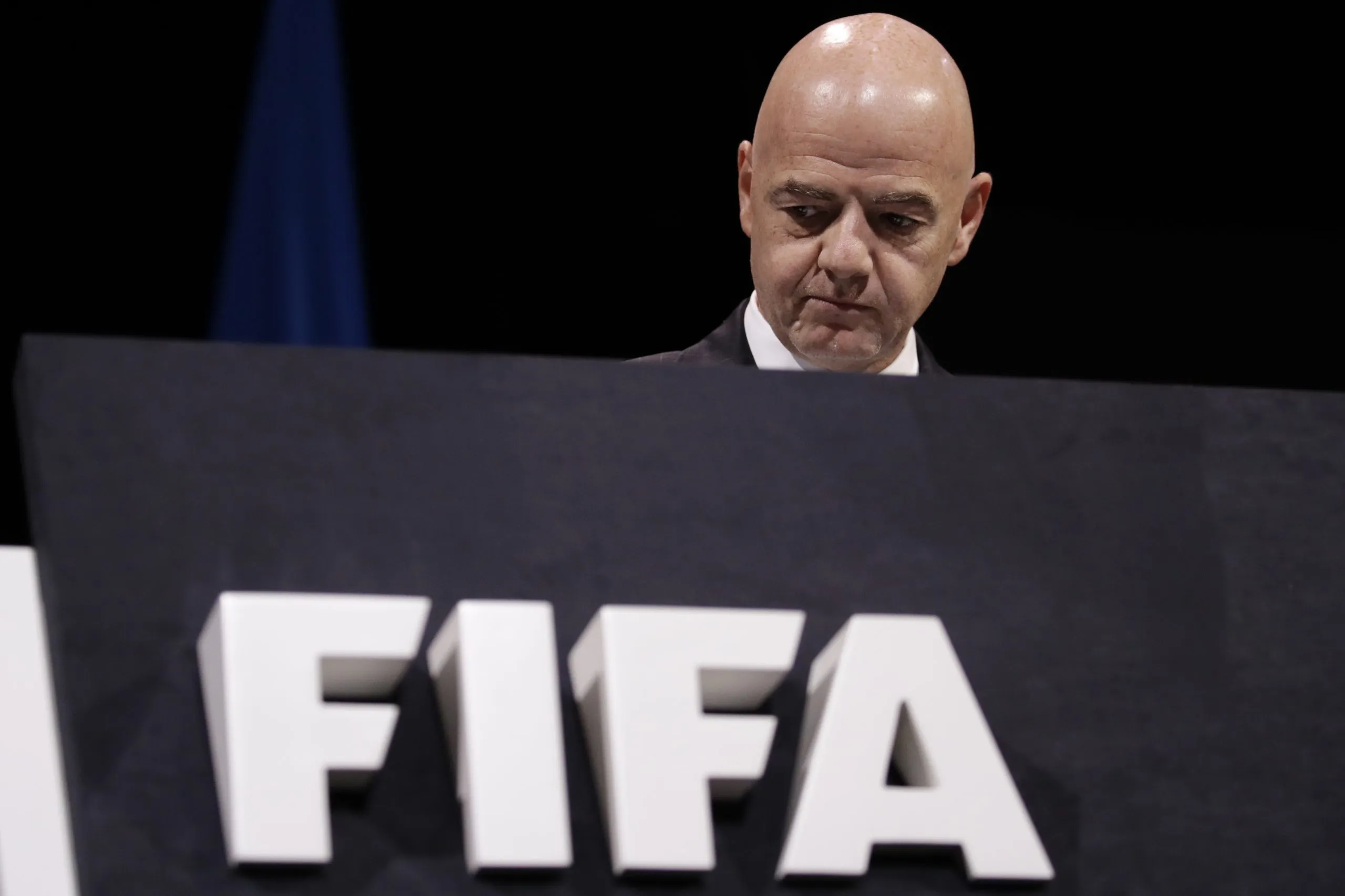
Gianni Infantino came under intense scrutiny in the week after the 2026 World Cup final, with the FIFA president forced into a public defence of the tournament just as a separate controversy gathered pace over plans to sell stakes in the World Cup and other FIFA competitions to private investors. The central figure in the story was Infantino himself, not because of anything that happened on the pitch, but because of an 887-word statement that sought to answer criticism at a moment when FIFA’s leadership and commercial direction were both under the spotlight. What made the episode especially significant was the speed with which the pressure escalated: concern over the tournament’s handling and image collided with alarm over the proposed commercial venture, creating a turbulent post-final week for the governing body. By the end of that sequence, FIFA had scrapped the private investment plans, a retreat that underlined the scale of the backlash and left fresh questions about how the organisation intends to shape the future of its biggest events.
- Gianni Infantino faced heavy scrutiny in the week following the 2026 World Cup final.
- Infantino issued an 887-word statement addressing criticism of the tournament.
- Plans to sell stakes in the World Cup and other FIFA tournaments to private investors became a major flashpoint.
- Regulators in the EU were set to investigate FIFA’s proposed $20 billion commercial venture.
- FIFA later scrapped the private investment plans after the strong backlash.
Why the pressure built so quickly
The timing of the criticism was crucial. The period immediately after a World Cup final is usually when football’s global governing body seeks to consolidate a triumphant narrative around the tournament, celebrate its reach and shift attention toward legacy. Instead, the week was dominated by institutional questions, with Infantino responding directly to criticism while FIFA also confronted a storm over the proposed sale of stakes in its flagship properties. That overlap made it far harder for FIFA to separate one issue from the other, because dissatisfaction with the tournament and unease about the commercial strategy fed into the same broader debate about accountability, governance and priorities at the top of the game.
Infantino’s 887-word statement was notable in itself because of what it revealed about the temperature of the moment. A response of that length signalled that the criticism could not simply be brushed aside or dismissed as background noise after the final. It reflected a need to confront the mood directly and attempt to reframe the conversation around the tournament. Yet the challenge for FIFA was that any effort to defend the event unfolded at exactly the same time as the private investment proposal was drawing fierce attention, meaning the organisation was fighting on two fronts at once: one reputational, the other structural.
That combination gave the episode unusual force. Post-tournament criticism can often be managed through messaging, celebration and a renewed focus on football itself. Here, however, the governing body faced a more complicated environment, one in which the debate was not confined to presentation or perception. Questions about the tournament’s image were unfolding alongside concerns about how FIFA intended to commercialise its most valuable competitions. In that context, even a direct intervention from the president risked being seen not as a reset, but as evidence of how serious the pressure had become.
The investment controversy and what it means
The proposed sale of stakes in the World Cup and other FIFA tournaments to private investors rapidly became the defining flashpoint of the week because it touched the most sensitive nerve in modern football: who controls the game’s most valuable assets, and to whose benefit. The World Cup is not just FIFA’s premier competition; it is the foundation of the organisation’s global influence and commercial power. Any suggestion that ownership interests in that ecosystem could be opened to private capital was always likely to trigger an intense reaction. Once the proposal emerged, the debate moved beyond routine criticism and into a much more serious argument about whether FIFA was attempting to reshape the commercial model of international football without broad trust or consensus.
The scale attached to the proposed venture sharpened those concerns further. With regulators in the EU set to investigate FIFA’s proposed $20 billion commercial venture, the issue was no longer confined to internal football politics or public relations damage. It had become a matter with potential regulatory consequences, adding a layer of formal scrutiny that raised the stakes considerably for FIFA. In practical terms, that changed the environment around the proposal: what might have been presented as an ambitious financial strategy instead came to look like a source of legal, political and governance risk. For an organisation already dealing with criticism in the immediate aftermath of the final, that was a dangerous combination.
FIFA’s eventual decision to scrap the private investment plans after the strong backlash was therefore highly revealing. It suggested that resistance was not only loud, but persuasive enough to force a reversal on a proposal tied to some of the most lucrative properties in world sport. Retreats of that kind are rarely interpreted as minor adjustments; they usually indicate that the cost of pressing ahead has become greater than the potential benefit. In this case, the reversal also implied that FIFA recognised the damage the plan was doing to confidence in its stewardship, especially at a moment when public attention was already fixed on Infantino’s handling of criticism around the tournament itself.
For Infantino personally, the episode leaves a complicated picture. On one level, the statement and the subsequent abandonment of the investment plan show a president responding under pressure and attempting to contain a fast-moving crisis. On another, they expose a leadership problem: when the week after a World Cup final is dominated by explanations, backlash and retreat, the governing body loses control of the narrative at the very point it would usually expect to project maximum authority. The broader significance is that FIFA now has to rebuild trust on two connected fronts. It must address whatever criticism prompted Infantino’s lengthy defence of the tournament, and it must also explain how such a contentious commercial proposal advanced far enough to become a major public controversy before being withdrawn.
There is also a wider lesson here about the modern World Cup environment. The tournament is no longer judged only by what happens on the field or by the spectacle of the final; it is judged by the governance choices that surround it, especially when those choices concern ownership, commercial rights and long-term control. That is why the stake-sale proposal resonated so strongly. It was not viewed as a technical financial matter detached from football, but as a move that could influence the identity and management of the sport’s biggest competitions. In the aftermath of the 2026 final, that perception was enough to transform a post-tournament review period into a week of sustained institutional pressure.
What comes next is likely to be defined by how FIFA responds after the retreat. Scrapping the private investment plans may close one immediate chapter, but it does not erase the scrutiny that built around Infantino or the questions raised by the proposed $20 billion venture. FIFA now faces the task of stabilising the post-World Cup conversation, clarifying its commercial direction and trying to restore confidence after a week in which criticism of the tournament and backlash over investment plans became inseparable. The final may have crowned a world champion, but the days that followed made clear that the political and commercial battles around the 2026 World Cup were far from over.
Leave a Reply