

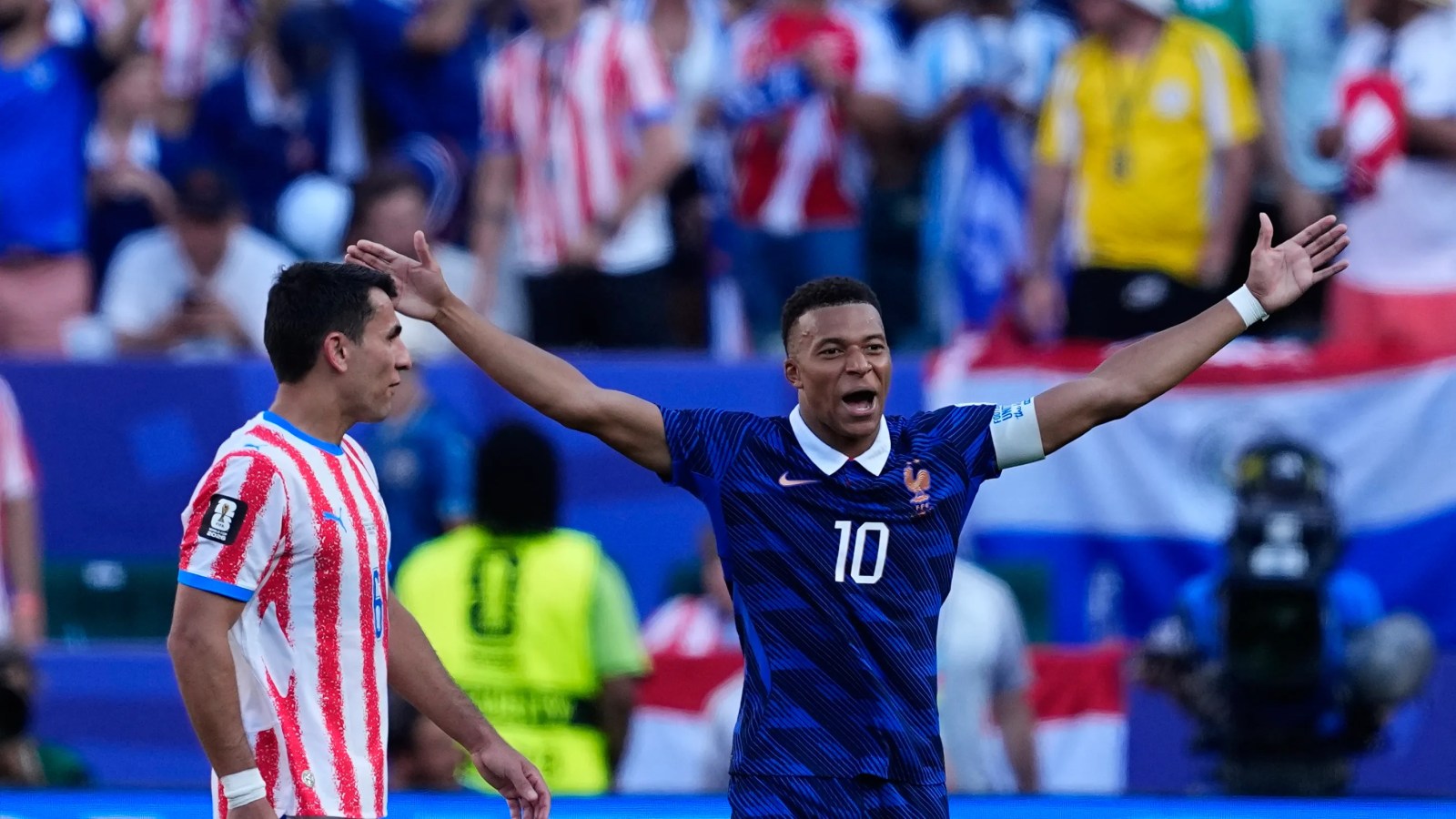
France’s 2026 FIFA World Cup campaign ended in a fourth-place finish, bringing to a close a tournament that again underlined the nation’s place among football’s elite. Led by captain Kylian Mbappe and coached by Didier Deschamps, France emerged from Group I and advanced all the way to the semi-finals before falling short of the final. That blend of progress and frustration defined their summer: a team strong enough to challenge deep into the competition, yet unable to convert that promise into a place on the podium. Even so, Mbappe remained the central figure in a France side that carried major expectations from the opening days of the tournament to its closing stages.
- France competed in Group I at the 2026 FIFA World Cup alongside Senegal, Iraq and Norway.
- Didier Deschamps led the team as coach, with Kylian Mbappe serving as captain.
- France advanced from the group stage and continued their run into the semi-finals.
- The tournament was held from June 11 to July 19, 2026.
- France finished fourth overall at the 2026 FIFA World Cup.
A campaign that mixed authority with frustration
France entered the tournament carrying the burden that always follows one of international football’s established powers. Drawn in Group I alongside Senegal, Iraq and Norway, they faced a section that offered contrasting tests, from athletic intensity to tactical discipline and technical variation. France did enough to navigate that stage successfully, and progression from the group confirmed they had built a platform strong enough to support a serious run. Once the knockout rounds began, that early work mattered, because progress at a World Cup is often shaped as much by composure and consistency as by moments of brilliance.
The fact France reached the semi-finals says a great deal about the level they sustained across the tournament. A place in the last four is never accidental, especially in a competition that ran from June 11 to July 19 and demanded concentration over weeks rather than days. France showed they could absorb pressure, handle expectation and remain relevant deep into the event, which in itself is the mark of a mature side. Yet the final verdict of fourth place leaves a sharper edge, because once a team gets that close to the final, anything less than a medal can feel like a missed opportunity.
Mbappe’s role as captain gave the campaign a clear focal point. France rarely lack star power at a major tournament, but the captaincy brings a different level of responsibility, especially when every result is judged through the lens of title contention. Mbappe’s presence shaped not only the attacking ambition of the side but also its emotional tone, with teammates and opponents alike measuring France through his influence. In a tournament setting, that kind of leadership matters because the margins tighten with every round, and teams often lean on their most decisive personalities when the pressure rises.
Deschamps’ continued leadership provided an equally important thread of continuity. International tournaments reward clarity, and France’s ability to move through the group and into the semi-finals points to a team that remained structurally sound and mentally prepared. A coach’s task at a World Cup is not simply to select the strongest names, but to manage rhythm, confidence and tactical balance across a sequence of matches that can turn suddenly. France’s fourth-place finish will inevitably invite scrutiny because of the standards attached to the shirt, but it should also be viewed in the context of another campaign that kept them among the final contenders.
What fourth place means for France
There is a meaningful difference between an early exit and a semi-final appearance, and France’s 2026 journey sits firmly in the latter category. Advancing from Group I established momentum, while the later rounds confirmed this was a squad capable of competing with the best teams left in the field. At the same time, fourth place is a difficult finish to process because it reflects proximity to greatness without the reward of silverware or even a top-three placing. For a nation with France’s ambitions, the outcome is respectable on paper but emotionally unsatisfying in practice.
The composition of the group stage is an important part of that story. Facing Senegal, Iraq and Norway meant France had to negotiate opponents with distinct profiles, and doing so successfully was the first sign they could adapt to the varied demands of tournament football. Group qualification is often where contenders establish their identity, and France did enough there to keep their campaign moving in the right direction. That progress laid the groundwork for the deeper run that followed, but it also raised expectations that this team would be judged not merely on survival, but on whether it could finish the job.
Reaching the semi-finals reinforced France’s standing in the global hierarchy. Only a small number of teams remain alive at that point, and France were among them for good reason. Their progress reflected a side with enough quality, experience and control to handle the knockout pressure that ends so many campaigns. Yet because they ultimately finished fourth, the broader assessment becomes one of near-success: France were close enough to dream of the title, but not clinical enough in the decisive phase to secure a place in the final or leave with a medal.
That duality is likely to shape how this World Cup is remembered. On one hand, there is clear evidence of a successful tournament by most standards: France advanced from a competitive group, lasted until the semi-finals and remained central to the competition almost to the end. On the other, elite teams measure themselves against the final weekend, and finishing fourth leaves a sense of unfinished business. Mbappe as captain and Deschamps as coach gave France both star leadership and experienced direction, but the final placing showed how unforgiving the World Cup can be even for teams that do so much right.
Looking ahead, France leave 2026 with a foundation that remains strong despite the disappointment of missing out on a top-three finish. The tournament confirmed their ability to compete across a full World Cup cycle, from the opening group matches to the pressure of the semi-finals, and kept them firmly in the conversation among the sport’s leading national teams. Mbappe’s captaincy and Deschamps’ stewardship remain central reference points as France assess what was achieved and what slipped away. Fourth place is not the ending France wanted, but a run that deep ensures their 2026 campaign will be remembered as significant, demanding and just short of the ultimate prize.


Leave a Reply