


The 2026 FIFA World Cup reached an unusual milestone on July 8, when the tournament went a full day without a match for the first time since play began on June 11. After weeks of relentless action, the pause offered a brief but meaningful reset in a competition that has rarely slowed. The break matters because it creates a natural dividing line in the tournament narrative, giving teams, supporters and the wider football world a chance to take stock before attention turns fully to what comes next. With no new result to reshape the bracket or shift momentum, the standout story was not a player or a team, but the tournament itself, whose intensity has been underscored by the rarity of a blank space in the schedule. In a World Cup defined by constant movement, the silence of a match-free day became a story in its own right.
- July 8 marked the first day of the 2026 FIFA World Cup without a match since the tournament began on June 11.
- The pause created a rare opportunity to assess the tournament’s rhythm, storylines, and the physical and emotional demands placed on teams.
- No verifiable detail is available from the provided research identifying a specific team or individual connected to a “World Cup withdrawal” angle.
- The wider sports backdrop included a positive-feeling WNBA All-Star weekend, with verifiable mentions of encouraging takeaways from the game and a meeting between the All-Stars and Barack Obama.
A tournament finally takes a breath
For nearly a month, the World Cup has delivered a daily cycle of lineups, tactical adjustments, pressure swings and consequences arriving with every final whistle. That rhythm is one of the tournament’s defining strengths, but it leaves little room for reflection. A match-free day changes that dynamic by slowing the conversation and shifting the focus from immediate reaction to broader evaluation. Instead of one result dominating the agenda, the pause invites a wider look at how the competition has unfolded and how much strain it has already placed on those still involved.
From a football perspective, these breaks can be more significant than they first appear. Coaching staffs gain extra time to review performances in detail, manage physical recovery and sharpen plans for the next stage without another live fixture taking over the day. Players benefit from a brief reduction in external noise, which can be nearly as valuable as rest on the training ground. In a tournament environment, where margins are often tiny and emotional energy can drain as quickly as physical energy, even one quiet day can help restore clarity. That becomes especially relevant at a point in the competition when every decision begins to carry greater consequences.
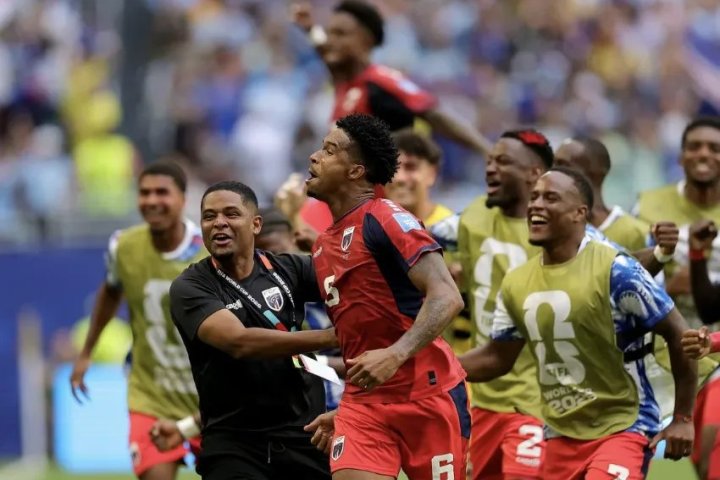
The significance of the day is amplified by how unusual it has been in this World Cup. Since June 11, the schedule has kept the football world locked into a continuous cycle of anticipation and reaction. That uninterrupted run has sustained the event’s momentum, but it has also made this pause feel more dramatic than an ordinary rest day in the domestic game. The absence of a fixture list does not reduce interest; if anything, it intensifies discussion because supporters and analysts are left to look ahead rather than simply react to what has just happened. In that sense, the first blank day becomes a hinge point between what the tournament has been and what it is about to become.
Why the pause matters before the next decisive stretch
At this stage of a World Cup, context becomes almost as important as emotion. Teams still alive are no longer judged only on whether they can win a single match, but on whether they can manage the sequence of demands that comes with going deep into the competition. A match-free day allows those patterns to come into sharper focus. Which sides have looked adaptable, which have relied more on moments than control, and which appear best equipped to handle the pressure of the next round all become more meaningful questions when there is no fresh game to interrupt the debate.
The break also highlights how much of tournament football is about pacing. The best World Cup campaigns are rarely straight lines; they involve recovery, adjustment and the ability to absorb changing circumstances without losing identity. Even when no ball is kicked, contenders can use the day to strengthen their position through preparation alone. Squads carrying knocks can use the extra time to recover, while managers can refine tactical details that become decisive in knockout football, where one transition, one set piece or one defensive lapse can determine everything. The calendar may appear still, but behind the scenes the tournament continues to move.
There is also a human side to the pause that should not be overlooked. World Cups are immersive events, and the emotional load on players, coaches and supporters builds quickly when every day brings another defining moment. A blank day creates space to process what has happened so far, whether that means satisfaction for teams that have advanced or frustration for those left to reflect on missed opportunities. The provided research references a “World Cup withdrawal” angle, but it does not verify which team or individual was involved, so that detail cannot be taken further. Even without that missing element, the phrase captures something real about the mood of a tournament pause: after weeks of constant action, the absence of football can feel almost as intense as the matches themselves.
The wider sporting context added another layer to the day’s atmosphere. The available verified details show that the broader conversation also included WNBA coverage framed around a “good vibes” weekend, with positive takeaways from the 2026 WNBA All-Star Game and a meeting between the All-Stars and Barack Obama. Those details sit outside the World Cup itself, but they help explain why this date stood out as a moment when the sporting spotlight briefly widened beyond football. On a day without a World Cup fixture, space opened for a different kind of sports conversation, one shaped less by immediate jeopardy and more by reflection and positive momentum. That contrast only reinforced how relentless the World Cup schedule had been up to this point.
For the tournament, this was not an empty day but a transitional one. It served as a reminder that major competitions are defined not only by the matches played, but also by the pauses that frame them. The first match-free day since June 11 offered a chance to measure the scale of what has already happened and to anticipate the pressure still to come. In a World Cup, silence rarely lasts long, and when it arrives, it often sharpens the sense that the next chapter will matter even more.
What comes next is a return to the field with the tournament moving forward after its brief interruption, and that alone gives this pause its meaning. Teams still in contention will aim to turn rest into readiness, while supporters will quickly shift from reflection back to expectation as the schedule resumes. The first match-free day has underlined how demanding and absorbing this World Cup has been since June 11. Now, after a rare breath, the competition is set to accelerate again toward the moments that will define it.
Leave a Reply