

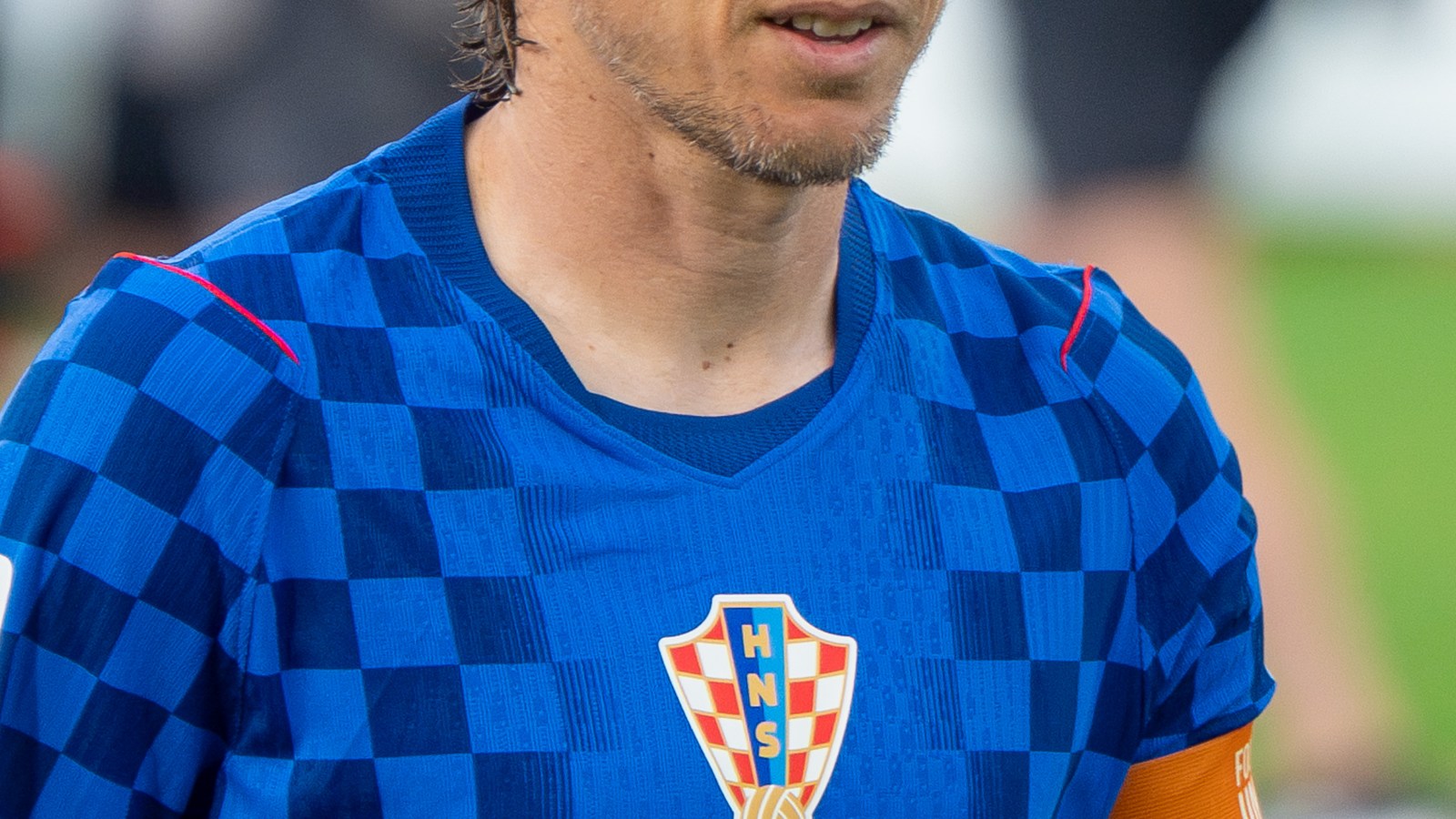
Croatia’s 2026 FIFA World Cup story now has one confirmed endpoint: a July 2 meeting with Portugal that brought the team’s tournament to a close. While the verified record available here does not disclose the score, goalscorers or defining moments from that match, it does establish the central fact that Croatia reached the tournament and remained involved long enough for a knockout-stage exit date to be clearly identified. That matters because it frames Croatia not as a speculative participant, but as a confirmed presence on the global stage, with an official tournament footprint spanning squad information, fixtures and results. In the absence of player-specific match data, the standout figure in this account is the Croatia team itself, whose campaign is documented through official tournament and federation channels even as many on-field details remain outside the verified material.
- Croatia has an official team page for the 2026 FIFA World Cup featuring squad news, fixtures and results.
- Search results also show a separate Croatia results page for the 2026 World Cup season.
- An official Croatian federation information page references a World Cup 2026 media guide.
- A video result titled “Croatia’s Best Moments 2026 FIFA World Cup” indicates Croatia played in the tournament.
- Croatia’s World Cup ended in a match against Portugal on July 2, 2026, though the verified material does not provide the score or identify specific players.
Croatia’s tournament record comes into focus
The clearest takeaway from the verified material is that Croatia’s involvement in the 2026 World Cup is firmly established across multiple official references. The existence of a dedicated team page featuring squad news, fixtures and results is significant because it confirms a structured tournament presence rather than a passing mention. That format reflects the standard way competing nations are presented during the World Cup, giving Croatia a documented place within the competition’s official framework. Alongside that, a separate results page for Croatia in the 2026 World Cup season adds another layer of confirmation that the campaign was tracked match by match within the tournament ecosystem.
There is also value in the Croatian federation reference to a World Cup 2026 media guide. Even without the full contents of that guide in the verified material, its mention points to an organized national-team operation built around the tournament. Media guides are typically associated with preparation, squad administration and official communications, so their presence underlines Croatia’s status as an active participant with a formal structure behind it. For supporters and analysts alike, that matters because it anchors Croatia’s campaign in official documentation rather than rumor or fragmented recollection.
The available material also includes a video result titled “Croatia’s Best Moments 2026 FIFA World Cup,” and that detail carries its own significance. A compilation of best moments implies not only that Croatia played, but that its run contained enough notable passages to be curated as part of the tournament’s broader narrative. Without overstating what those moments were, it is still fair to say that this kind of retrospective content suggests a campaign with identifiable highlights, phases of momentum and episodes worth revisiting. Even when the hard data in front of us is limited, the existence of that video points to a World Cup journey that resonated beyond a simple list of fixtures.
Taken together, those references create a solid documentary outline of Croatia’s tournament. They do not provide a complete statistical breakdown, nor do they offer a full match-by-match retelling, but they do confirm that Croatia’s campaign was formally recorded across the usual official touchpoints. That distinction is important. In tournament coverage, the difference between assumption and verification matters, and here the verified material is strong enough to establish Croatia’s presence, progression and eventual exit without stretching beyond what the record supports.
What the Portugal ending tells us — and what it does not
The most concrete competitive detail in the verified material is that Croatia’s World Cup ended against Portugal on July 2, 2026. That single fact is enough to give the campaign a dramatic final chapter, because elimination matches often define how tournaments are remembered. Facing Portugal in the match that ended Croatia’s run indicates that the team advanced to a stage where every result carried finality and where margins are typically unforgiving. What cannot be responsibly added, however, is any claim about the scoreline, the balance of play, the scorers or the individuals who shaped the occasion, because none of that appears in the verified material.
That lack of granular match detail changes the nature of the analysis, but it does not diminish the broader significance of Croatia’s tournament. World Cups are judged not only by final results, but also by presence, progression and the ability to remain relevant into the decisive rounds. Croatia’s confirmed participation, the maintained results pages and the identified final date together create the outline of a campaign with enough substance to be formally chronicled from start to finish. The ending against Portugal closes the competitive file, even if the finer points of how the contest unfolded remain outside the verified record available here.
It is also important to separate what is confirmed from what is not. The research specifically does not support the claim about where to find Croatia’s stars after the 2026 FIFA World Cup, because the provided results do not list post-tournament club destinations for Croatia players. That distinction matters in any serious World Cup coverage. Tournament reporting often spills quickly into transfer speculation and club futures, but in this case the verified material keeps the focus squarely on Croatia’s World Cup participation and conclusion, not on what individual players did next.
Viewed in that light, Croatia’s 2026 World Cup can be understood as a documented campaign with an officially marked endpoint rather than a fully detailed match-by-match narrative. The official team page, results listings and federation media-guide reference provide the structural evidence of a nation engaged in the competition at the highest level. The “best moments” video adds emotional and historical texture, hinting at a run that produced memorable scenes even if those scenes are not itemized here. And the July 2 defeat to Portugal supplies the final competitive marker, fixing the date on which Croatia’s hopes ended and that chapter of the tournament closed.
What comes next is a matter for future reporting once more verified detail becomes available. For now, the established picture is clear enough to stand on its own: Croatia was part of the 2026 FIFA World Cup, its campaign was tracked through official tournament channels, and its journey ended against Portugal on July 2. That leaves a record that is incomplete in specifics but still meaningful in shape, confirming Croatia’s place in the tournament and preserving the basic outline of how its World Cup ultimately concluded.
Leave a Reply