

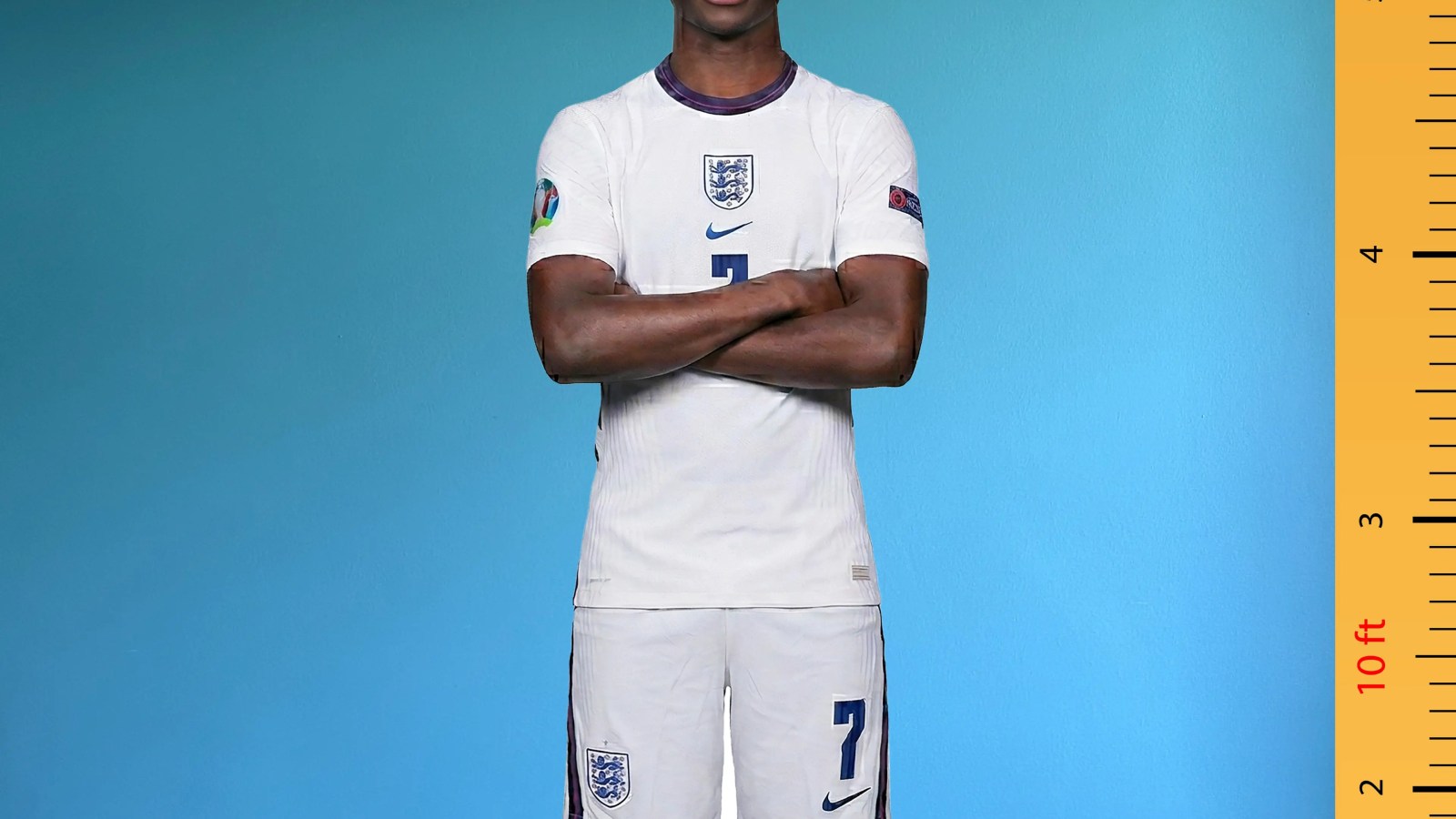
Bukayo Saka produced the defining display of England’s final match at the 2026 FIFA World Cup, scoring a hat-trick in a thrilling 6-4 victory over France in the third-place play-off to secure the bronze medal. The winger’s performance carried added significance after he missed England’s semi-final defeat to Argentina, having been left out as part of injury management, and he made his return count in emphatic fashion. Saka later said he was fully fit and felt he could have played more during the tournament, a remark that only sharpened the sense of what England regained with him back in the side. In a game full of goals and momentum swings, his finishing, sharpness and direct running stood above everything else and gave England a memorable send-off.
- England beat France 6-4 in the World Cup third-place play-off to finish the tournament with the bronze medal.
- Bukayo Saka scored a hat-trick and became the fourth England player to register a World Cup hat-trick.
- Saka did not play in England’s semi-final defeat to Argentina after being left out as part of managing his injury situation.
- After the match, Saka said he was fully fit and felt he could have played more at the World Cup.
- Saka is also only the second player to score a World Cup hat-trick against France, after Pele in 1958.
Saka returns with a statement
The central theme of England’s win was the impact of Saka’s return. Missing a World Cup semi-final inevitably invites scrutiny, particularly when the player in question is one of the team’s most dangerous attacking threats, and this performance underlined exactly why his absence had been so keenly felt. By scoring three times against France, Saka did more than shape the result; he changed the emotional tone of England’s finish to the tournament. Rather than ending their campaign with the disappointment of falling short against Argentina, England closed it with a match that showcased their attacking quality and gave one of their leading players a landmark moment on the world stage.
Saka’s own assessment after the match added another layer to the story. His insistence that he was fully fit and felt he could have played more will naturally influence discussion around England’s management of his minutes during the tournament. At the same time, his display in the third-place play-off demonstrated the value of having him available and decisive when England needed a response. The blend of fitness, freshness and clinical execution was clear throughout the contest, and his hat-trick became the main reason England were able to outscore a strong France side in such an open game.
There is historical weight to what Saka achieved as well. Becoming the fourth England player to score a World Cup hat-trick places him in a very small and distinguished group, and doing it in a high-profile match against France elevates the feat further. The additional note that he is only the second player to score a World Cup hat-trick against France, after Pele in 1958, gives the performance significance beyond this single tournament. For England, that kind of individual milestone matters because it reflects the level of talent within the squad and the ability of its biggest attacking names to deliver on football’s grandest stage.
What the result says about England and France
The scoreline itself says plenty about the nature of the match. A 6-4 result in a World Cup play-off points to a contest played with attacking ambition, defensive vulnerability and long periods in which neither side could fully establish control. England ultimately managed that chaos better, and Saka’s hat-trick was the clearest expression of that advantage. In matches that become stretched and transition-heavy, decisive attackers often make the difference, and England had the standout figure on the pitch.
For England, the victory offered a meaningful reward even after the pain of missing the final. Finishing third is not the ultimate objective for a team with major ambitions, but leaving the tournament with a medal and a statement win over France still matters. It gives the squad a tangible achievement, softens the blow of the semi-final defeat and reinforces the sense that this group remained one of the strongest teams in the competition. Ending with six goals against elite opposition also suggests that England’s attacking ceiling remained high, especially when one of their most dangerous wide players was available and in rhythm.
For France, conceding six in a third-place play-off will make this a difficult result to process, even in a match that often carries unusual emotional and tactical conditions. These fixtures can become open because both teams are coming off the disappointment of losing a semi-final, and because the structure and caution usually seen in knockout football can loosen. Even so, allowing England to score six reflects a game in which France could not manage the decisive moments well enough. The fact that Saka was able to turn his return into such a historic individual display will be one of the most frustrating elements from France’s perspective.
There is broader significance to England’s performance too. The tournament ended without the ultimate prize, but this final outing reinforced the depth of attacking talent available and the importance of getting key players healthy at the right time. Saka’s comments about being able to play more are likely to linger because tournaments are often defined by fine margins, selection calls and fitness judgments. England cannot change the semi-final, but they can take from this game a reminder of how much difference a fully effective Saka makes to their balance, threat and confidence in the final third.
Looking ahead, England leave the World Cup with bronze, a 6-4 win over France and a headline performance from Saka that will be remembered long after the third-place play-off itself fades from view. His hat-trick gave the team a flourish, gave supporters a positive final image and added a notable chapter to England’s World Cup history. France, meanwhile, must absorb a wild defeat in a game in which they were unable to keep England’s attack under control. For England, the path away from this tournament now begins with pride in a podium finish and the lingering thought of what might have been had Saka been available for even more of the campaign.
Leave a Reply