

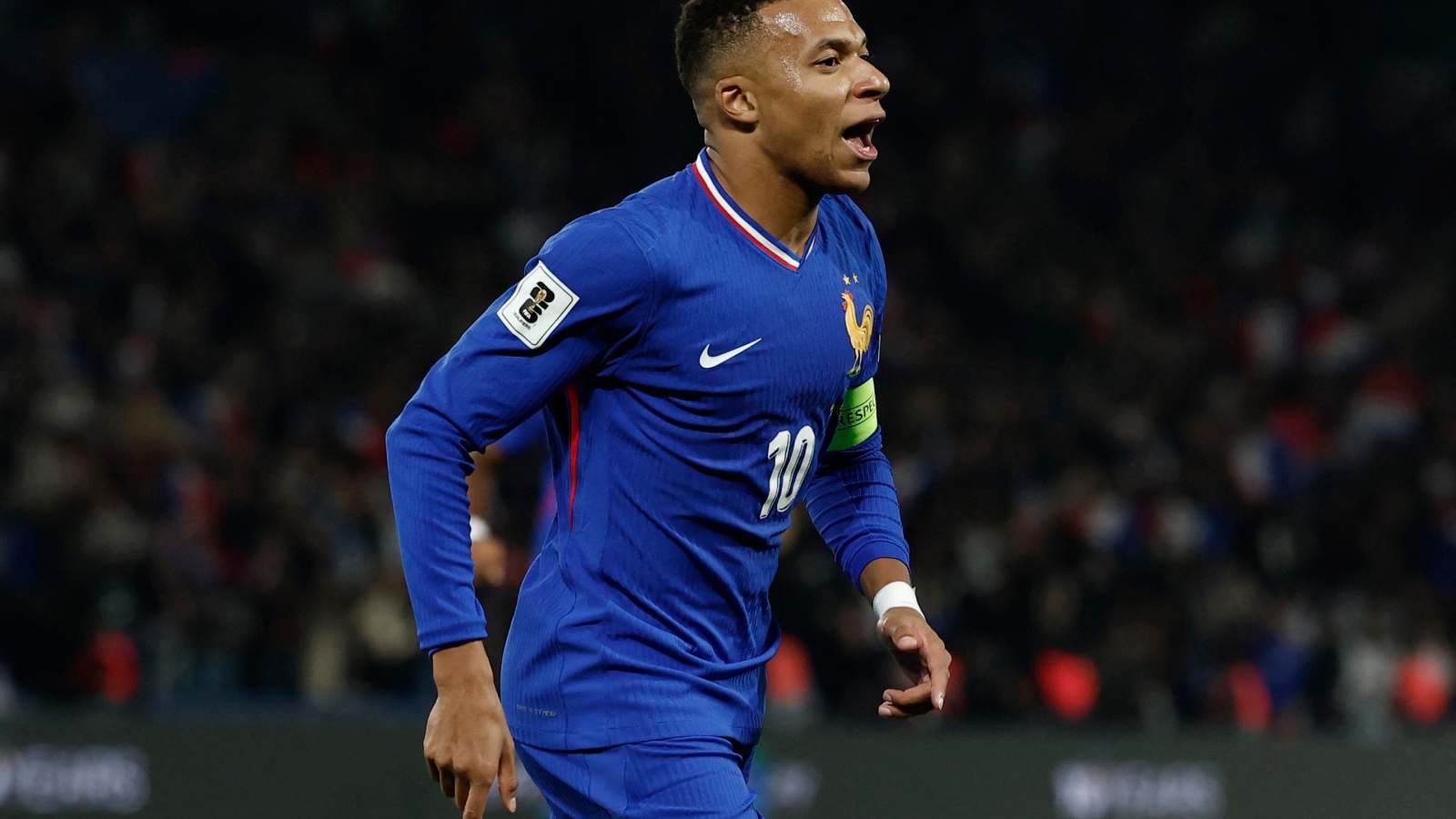
The 2026 FIFA World Cup has entered its decisive phase, with the quarter-finals now confirmed and France set to face Morocco on Thursday, July 9, in the opening last-eight tie. That fixture provides the first major turning point of the knockout stage, determining which side will seize the early initiative in a bracket that is now coming into clear focus. With Norway facing England, Spain meeting Belgium, and Paraguay also confirmed as the remaining quarter-finalist on the bracket, the tournament has narrowed to a select group of contenders and one final push toward July 19. France and Morocco are therefore the immediate focal point, not because of any single individual display at this stage, but because their meeting will launch the quarter-final round and set the tone for everything that follows.
- The World Cup has reached the quarter-final stage, with the first last-eight match scheduled for Thursday, July 9.
- France will face Morocco in Foxborough in the opening quarter-final.
- Spain will play Belgium in Los Angeles on Friday, July 10.
- Norway versus England is also confirmed as part of the quarter-final line-up.
- Paraguay is the remaining confirmed quarter-finalist on the bracket, while the final is scheduled for July 19.
Quarter-final picture comes into focus
The significance of the confirmed line-up lies in the clarity it brings to the tournament’s final stages before the championship match. At this point in any World Cup, uncertainty gives way to consequence, and every fixture carries the weight of elimination and opportunity in equal measure. With France and Morocco opening the quarter-finals, one of those teams will become the first to secure a semi-final place, a distinction that can shape both the emotional and competitive rhythm of the rest of the bracket. An early quarter-final win does more than extend a campaign; it places immediate pressure on the remaining contenders and establishes a benchmark for the teams that follow.
Foxborough’s hosting of France against Morocco on July 9 gives that tie a defined place in the tournament calendar and makes it the natural starting point for the final push toward the title. The quarter-finals are often where a World Cup changes character, shifting from broad possibility to exact margins, and the schedule underlines that transition. There is no room for recovery after a poor result, no alternative route through a group table, and no easing into the occasion. Every tactical decision, every spell of control, and every moment of composure becomes magnified when a single match separates a contender from the semi-finals.
The bracket also highlights the range of styles and footballing identities still alive in the competition. Norway against England presents one compelling pairing, while Spain against Belgium offers another high-profile meeting in Los Angeles on July 10. Paraguay’s presence as the remaining confirmed quarter-finalist adds another layer to the knockout picture, even if the currently available details do not fully verify every route-to-the-final pathway beyond the listed bracket and dates. What is certain is that the quarter-finals now represent a condensed field of teams that have already survived the earlier rounds and must now manage the pressure of expectation as well as the demands of elite opposition.
What the schedule means for the contenders
For France and Morocco, opening the quarter-final stage presents both a distinct challenge and a clear opportunity. Playing first means stepping into a spotlight shared by no other last-eight tie, with global attention fixed squarely on one match and one result. It also means the winner will become the first semi-finalist, able to watch the remaining quarter-finals unfold from a position of security rather than uncertainty. That dynamic can matter in a tournament setting, where momentum is built not only through performances but also through the psychological edge of advancing before rivals have even kicked off their own quarter-final.
Spain and Belgium, by contrast, will enter their meeting in Los Angeles on July 10 with the benefit of seeing how the quarter-final stage begins. That can shape preparation in subtle ways, even if the essential task remains unchanged. A knockout match at this stage demands control of tempo, emotional discipline, and the ability to handle periods when the game refuses to settle. The same applies to Norway and England, whose confirmed place in the last eight ensures another tie with major implications for the balance of the bracket and the shape of the semi-finals to come.
The mention of Paraguay as the remaining quarter-finalist matters because it completes the broad outline of the last-eight field, even if not every bracket detail is fully verified in the available material. In practical terms, that means the World Cup has reached the point where the tournament can be viewed less as a collection of separate stories and more as an integrated race to the final. Every surviving team is now close enough to the title to feel its pull, yet still far enough away to know that one poor afternoon will end the campaign. That tension gives the quarter-finals their particular drama: they sit close to the summit without offering any comfort.
The scheduling of the final for July 19 provides the final piece of context. With the end date fixed, the remaining contenders can measure exactly how many matches and how many days stand between them and the trophy. That clarity sharpens everything. Recovery, preparation, squad management, and tactical planning all take on greater urgency when the path ahead is short, visible, and unforgiving. The quarter-finals are therefore not only about survival; they are about proving that a team can handle the compressed intensity of the tournament’s closing stretch.
There is also a broader significance to the confirmed quarter-final line-up. By this stage, reputations alone no longer matter, and every team left in the competition has earned the right to believe the title is within reach. The bracket now frames the World Cup as a sequence of direct contests between sides that have already navigated earlier tests and now face the purest form of knockout football. Whether the emphasis falls on control, resilience, or seizing key moments, the margins are likely to be defined by execution rather than ambition. That makes the opening quarter-final between France and Morocco especially important, because it will establish the standard for the last-eight round and immediately show which team is best equipped for the pressure of the run-in.
Attention now turns to Thursday, July 9, when France and Morocco begin the quarter-final stage in Foxborough and the race to the July 19 final enters its most unforgiving chapter. Spain and Belgium will follow in Los Angeles on Friday, July 10, while Norway, England, and Paraguay remain central figures in the bracket as the semi-final places come into view. The routes may not be fully detailed beyond the confirmed pairings and dates, but the stakes are unmistakable. From here, every match carries the power to redefine the tournament, and the next step will determine which contenders remain standing with the final suddenly within sight.

Leave a Reply