

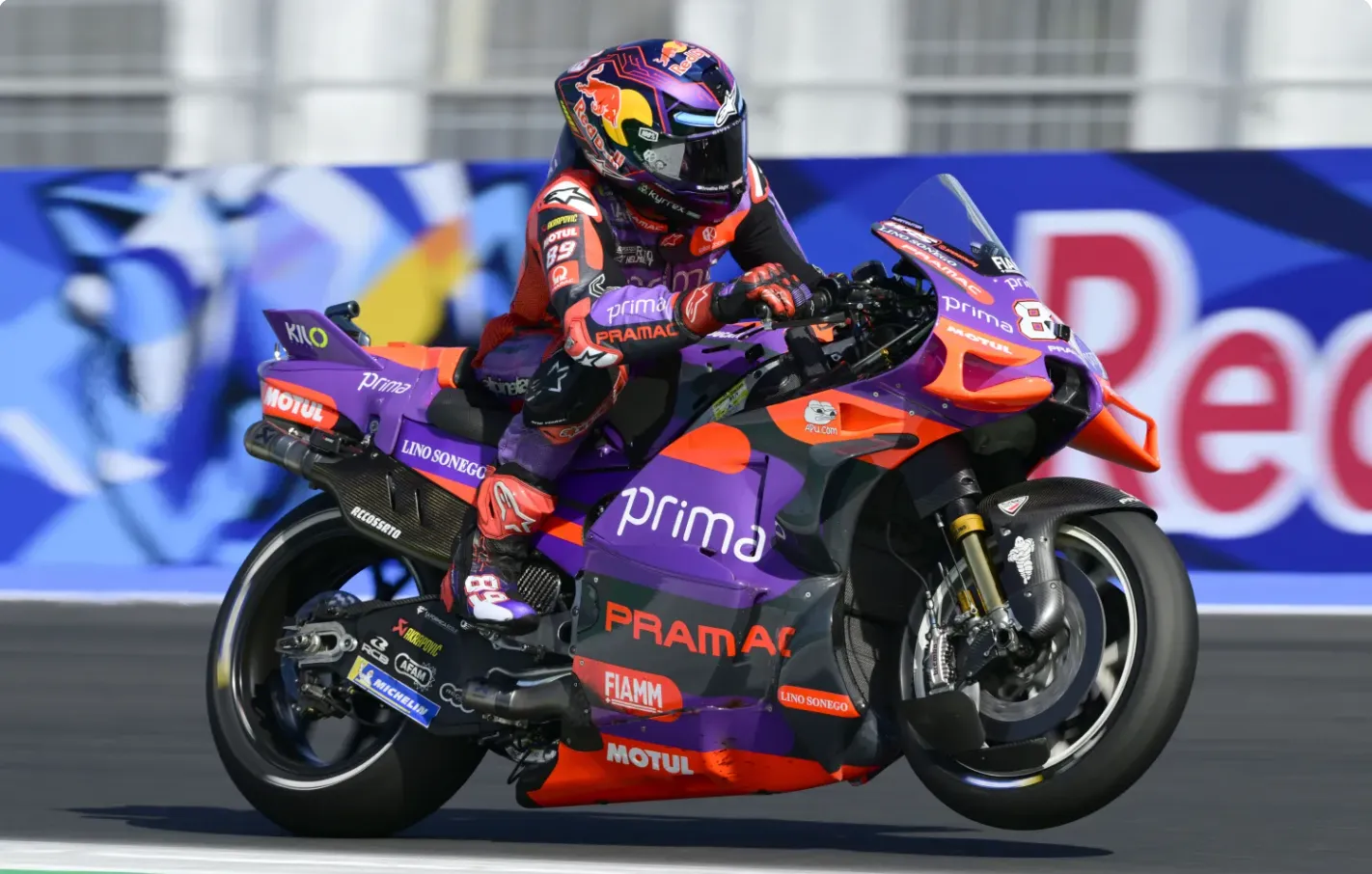
The unpredictable conditions at Sunday’s San Marino Grand Prix have reignited discussions about the potential introduction of Formula 1-style team radios in MotoGP, following a dramatic 27-lap race that saw significant strategic gambles.
A brief but impactful shower on lap seven of the Misano race led championship leader Jorge Martin to make an early pit stop for his wet-weather bike while running in second place. Martin was one of six riders who made the switch, hoping to gain an advantage as the rain fell. However, the rain quickly subsided, forcing those who pitted to revert to their dry bikes, turning what seemed like a calculated move into a costly mistake. Martin finished a lapped 15th, seeing his championship lead shrink from 26 points to just seven over Francesco Bagnaia.
The chaotic race conditions have fueled the ongoing debate about whether MotoGP should adopt ship-to-shore radio communication, a technology that has been a staple in Formula 1 and other motorsports for decades. Currently, MotoGP riders rely on pitboards, dashboard displays, and their own instincts to make decisions on track.
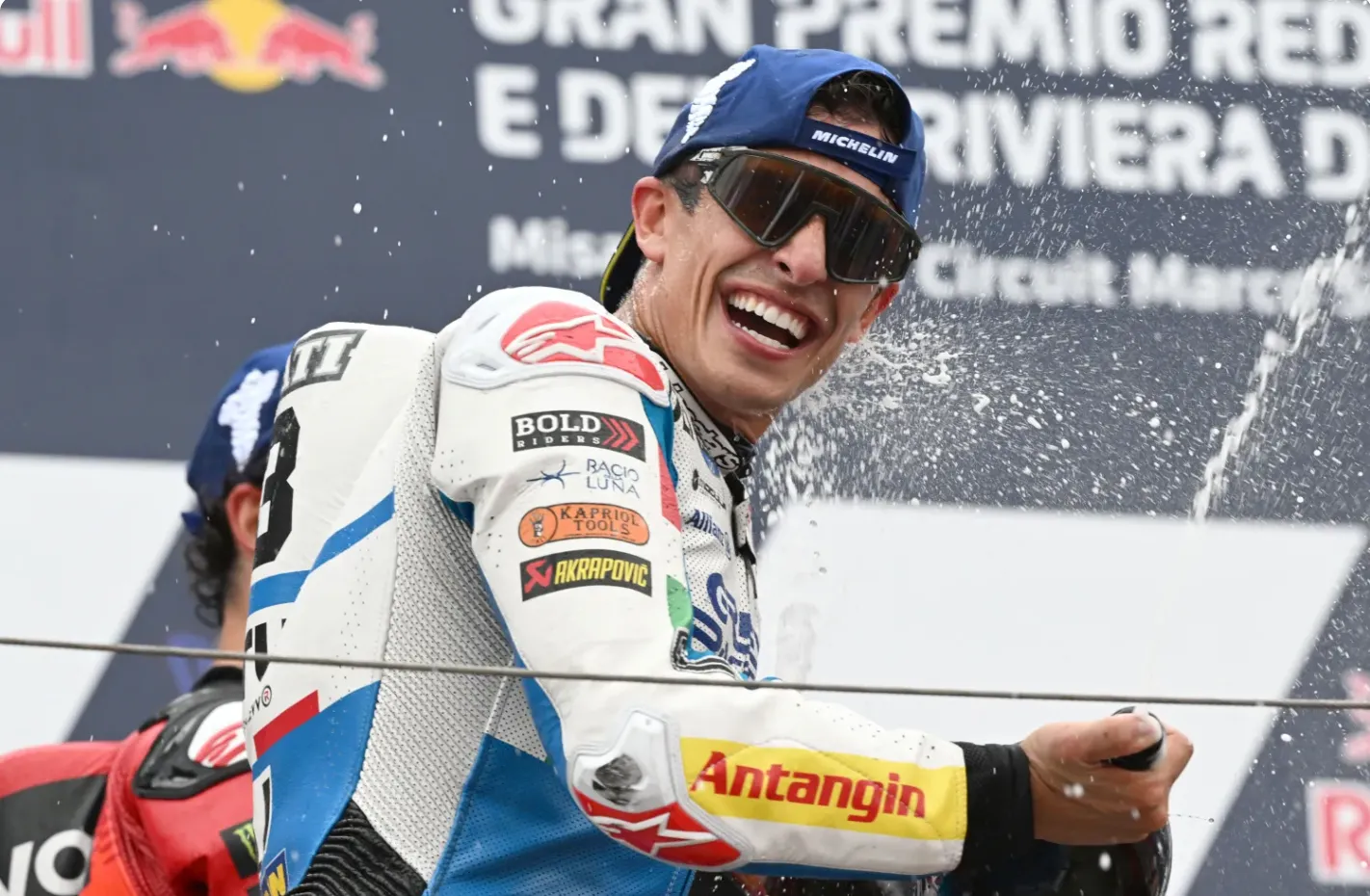
Race winner Marc Marquez weighed in on the issue, expressing skepticism about the effectiveness of team radios in such conditions. “In today’s conditions, the rider must decide because even we don’t fully know the situation, and it’s impossible for the team to know how the track is,” Marquez said. “Of course, in dry-to-wet transitions, team communication can be useful, but when it’s wet to dry, riders always decide. For the show? Yes, it’s interesting. For the essence of the sport? No.”
Bagnaia, who finished second, echoed Marquez’s sentiments, highlighting the importance of the rider’s judgment and the information they already have. “We already have all the inputs possible on the track, from the pitboard and our dashboard. So, I’m not in favor,” Bagnaia remarked.
Enea Bastianini, who secured third-place, noted that the pit wall would need highly advanced technology to accurately assess track conditions. “It depends on the rider’s feeling in that situation. I think the team wouldn’t be able to judge the conditions as well as we can on bike,” Bastianini explained.
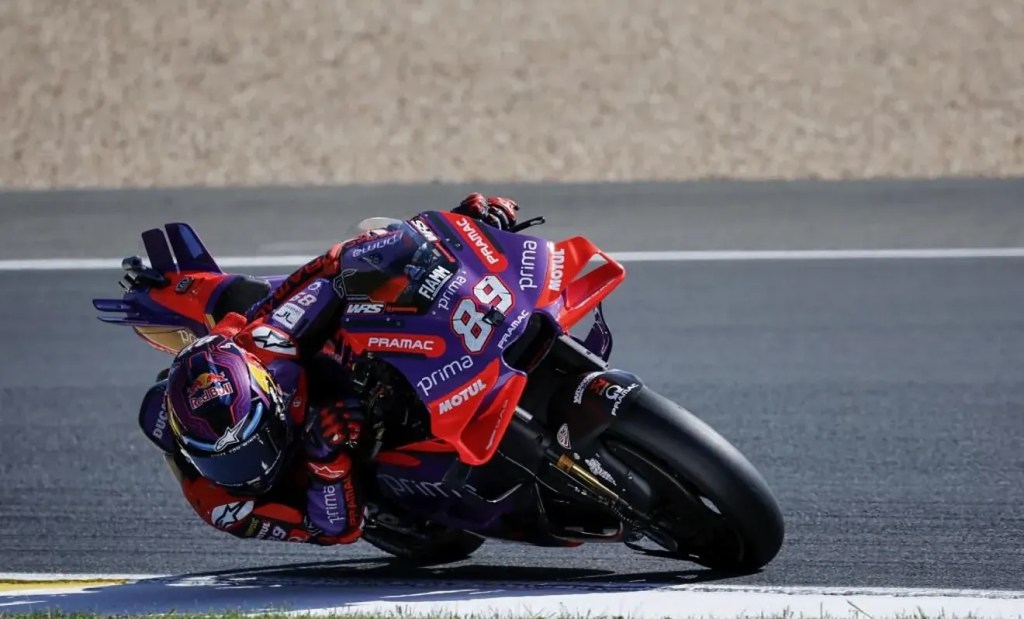
The discussion about the “essence” of MotoGP is central to this debate. If team radios were in use during the San Marino GP, Martin’s team would likely have advised him to stay out, which might have preserved his lead and secured a podium finish. However, this would have deprived fans of the suspense and unpredictability that makes MotoGP so thrilling.
Martin’s decision to pit was a gamble—one that didn’t pay off, but it highlighted the high-stakes nature of sport. With only seven points now separating him from Bagnaia, the championship battle has intensified heading into the Emilia Romagna GP.
The argument for team radios in F1 often centers around the insight it provides fans into the drivers’ thought processes. However, in MotoGP, where the riders’ split-second decisions under pressure are a testament to their skill and intuition, adding team radios could dilute the raw, instinctive nature of the sport.
The 2024 San Marino GP served as a powerful reminder of what makes MotoGP unique. The riders who relied on their experience and feel for the track and stayed out received rewards. Marquez, Bagnaia, and Bastianini demonstrated why the world celebrates MotoGP athletes as some of the best.
Marquez’s observation that team radios could detract from essence of MotoGP is a cautionary note for those considering such changes. As discussions about the introduction of radios continue, the spectacle of the San Marino GP and the heroes it created should be at the forefront of any decision-making process.
Leave a Reply