

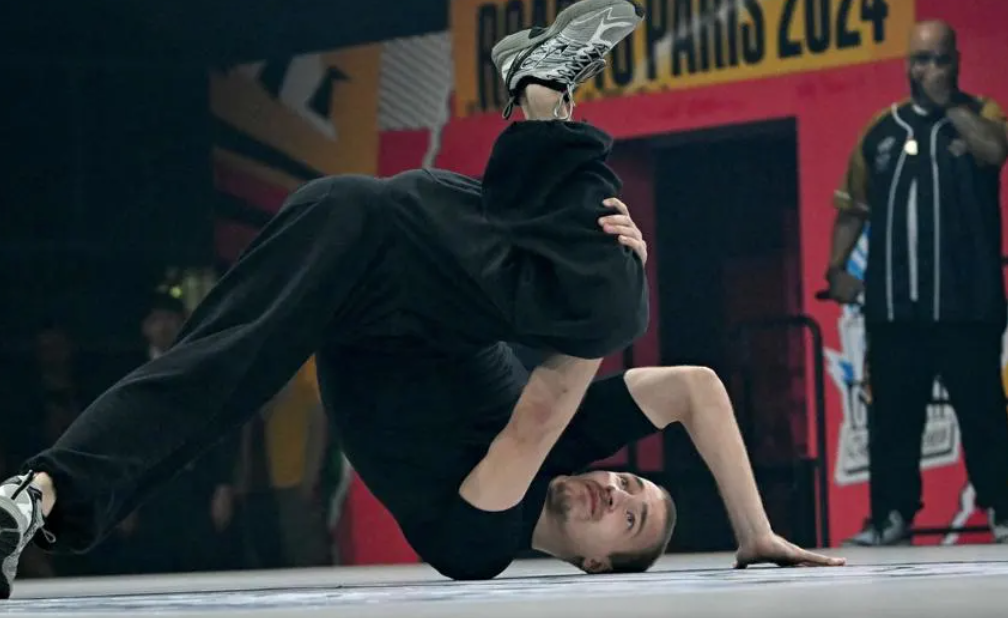
The Olympic Games have evolved significantly since their inception in 1896, when they featured just 43 events across nine sports. The Paris 2024 Olympics will expand to 329 events in 32 sports, introducing two new sports to the lineup, one of which is breaking, also known as breakdancing.
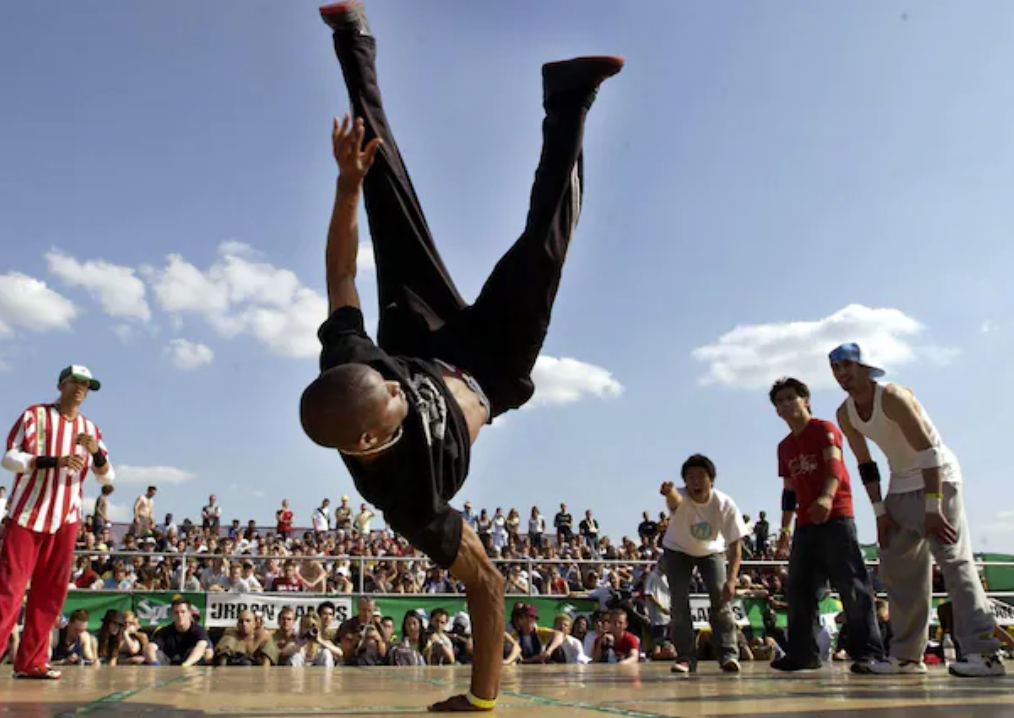
Breaking originated in the 1970s in the Bronx, New York, as a dance form created by Black and Latin American youth. It involves acrobatic movements, style, and intricate footwork. Initially performed at parties and in community spaces, breaking gained international recognition in the 1990s through global competitions. Its success at the 2018 Youth Olympic Games in Buenos Aires led to its inclusion in the Paris 2024 Olympic programme.
Breaking consists of three core elements: top rock, down rock, and freeze. Firstly, top rock involves stylish, standing movements. In addition, freeze features dramatic, stationary poses. Finally, down rock includes floor-based moves, spins, and power moves.
Competitions feature 1 vs. 1 battles with breakers performing in alternating turns or “throwdowns.” Each battle includes a fixed number of throwdowns, with the final round having three to five. Performances are judged by a panel on six criteria: creativity, personality, technique, variety, performativity, and musicality. Technique, performativity, and creativity together account for 60% of the score, while variety, musicality, and personality make up the remaining 40%. The breaker with the highest score wins.
At the Paris Olympics 2024, the top 16 B-boys and 16 B-girls from around the world will compete in separate men’s and women’s competitions.
Leave a Reply