

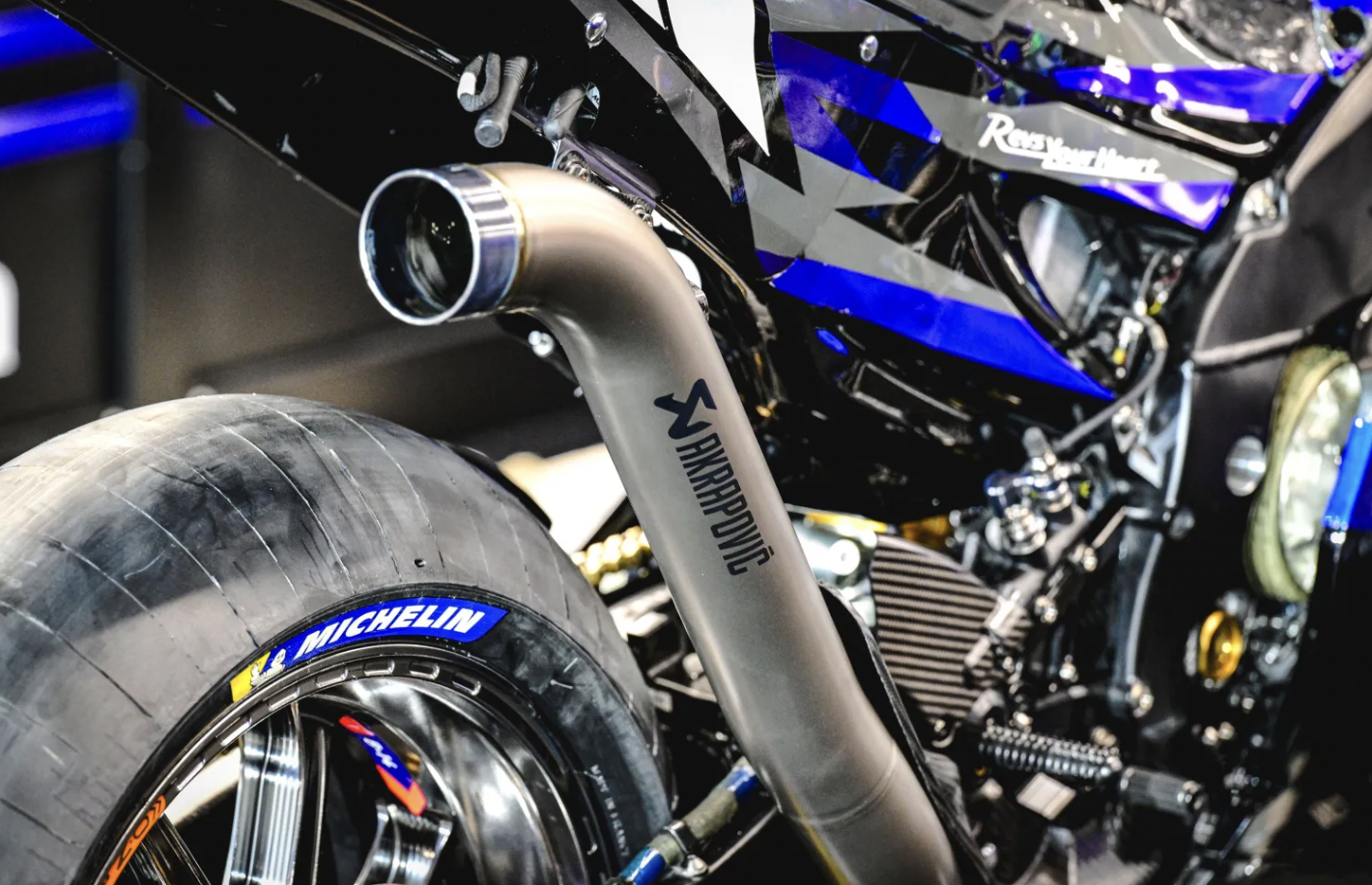
The transition from a 1000cc to 850cc engine capacity, coupled with a reduction in bore size, for the upcoming 2027 MotoGP season is anticipated to provide significant advantages to Yamaha’s M1, according to MotoGP technical journalist and author Neil Spalding.
Speaking on the OMG! MotoGP podcast, Spalding shared his insights:
“The new rules have scaled back every major technical aspect by 10%, which I think is a very classy rulebook. Yamaha, being a four-cylinder inline engine, stands to benefit greatly from these changes.”
“With the bore size reduction, Yamaha will likely need to develop a new engine, but this change will allow them to make the engine narrower by approximately 24mm (6mm off each of the four bores). This reduction in width will enhance the bike’s agility, making it easier to maneuver into corners.”
“In addition to handling improvements, the narrower engine will facilitate better cooling. Historically, Yamaha faced challenges with engine heat management, particularly with front tyre temperatures affecting radiator performance. By shrinking the engine’s width behind the radiator, Yamaha can improve airflow and cooling efficiency. Which is crucial given the current tire specifications.”
Spalding also highlighted potential strategies from Honda in response to the rule changes:

“I expect Honda, another Japanese manufacturer facing challenges, to make significant moves in the near future. Their historical approach suggests they may aggressively pursue the 2026 championship before the new rules take effect in 2027.”
“These rule changes are expected to alleviate front tyre temperature issues and could potentially reshape the rider market dynamics. Honda’s strategy to secure competitive riders for 2026 could mirror past efforts where they invested heavily to secure titles during pivotal rule transitions.”
Leave a Reply