

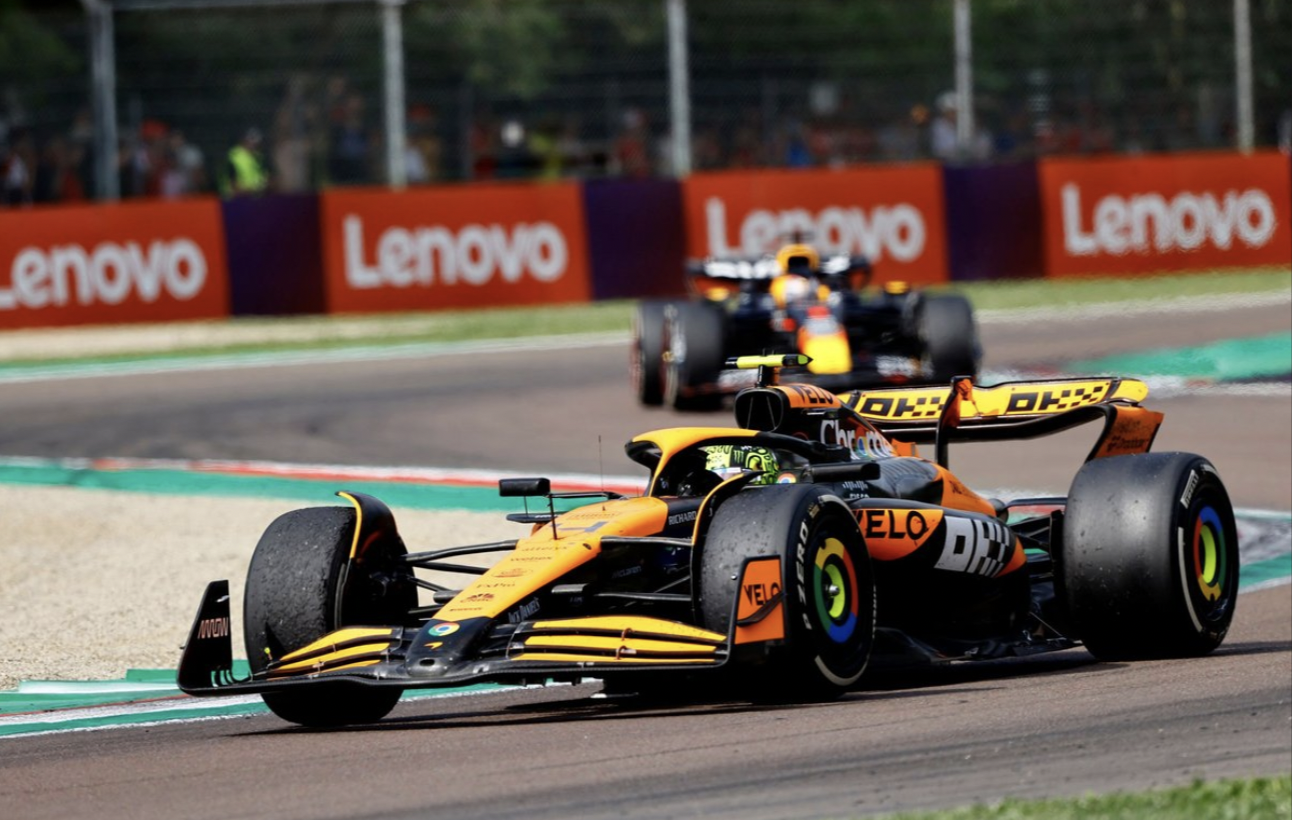
In the initial laps of the race, Max Verstappen surged ahead, steadily building a lead on medium tyres. Meanwhile, Lando Norris, despite a brief delay passing Sergio Perez, struggled to match Max Verstappen’s pace after transitioning to hard tyres.
The gap between them stabilized around six seconds, with Lando Norris seemingly under threat from Charles Leclerc. However, with about 20 laps remaining, Lando Norris suddenly gained momentum, closing in on Max Verstappen and setting the stage for an intense battle.
Max Verstappen’s struggles stemmed from his tyres falling out of their optimal operating range, causing his car to feel unstable. Conversely, Lando Norris managed his tyres adeptly in the early stages of his second stint, allowing them to reach a performance sweet spot when it mattered most.
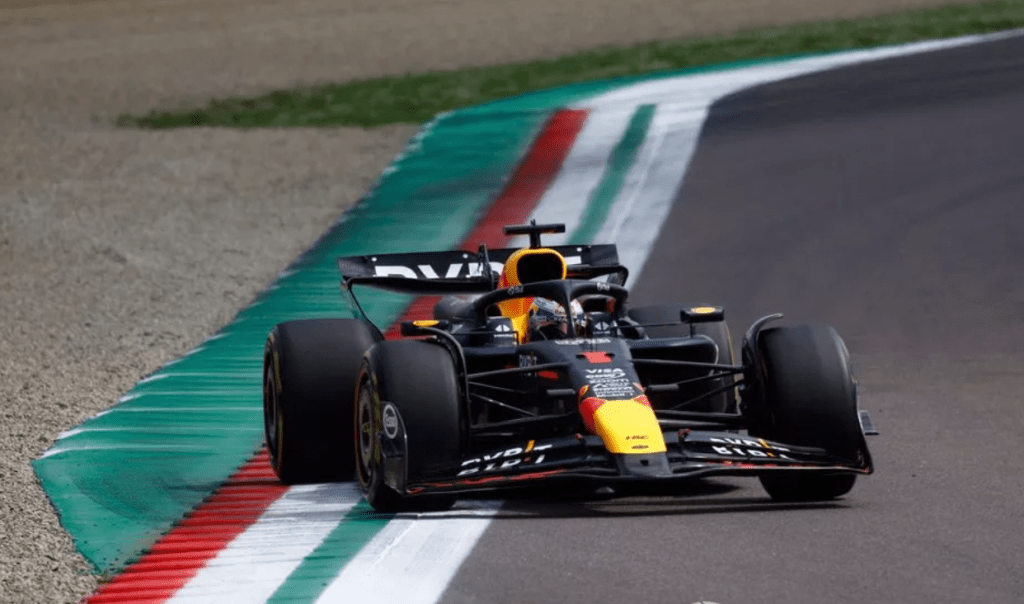
McLaren’s careful tyre management paid dividends, with Lando Norris gradually regaining confidence in his car as the tyres came alive. Adjustments to the car’s settings further optimized tyre performance, enabling Lando Norris to push harder and ultimately outpace Max Verstappen.
However, McLaren’s setup miscalculation for warmer weather meant Lando Norris had to delicately nurse his tyres to avoid a performance drop-off similar to other competitors. Despite the challenges, Lando Norris showcased impressive race pace, although weaknesses in hotter conditions highlight areas for improvement.
As Lando Norris reflected on the race, he acknowledged the team’s strengths in race pace but also identified areas where further preparation could enhance performance. Ultimately, the race at Imola revealed both the strengths and weaknesses of the McLaren package, providing valuable insights for future races.
Leave a Reply