

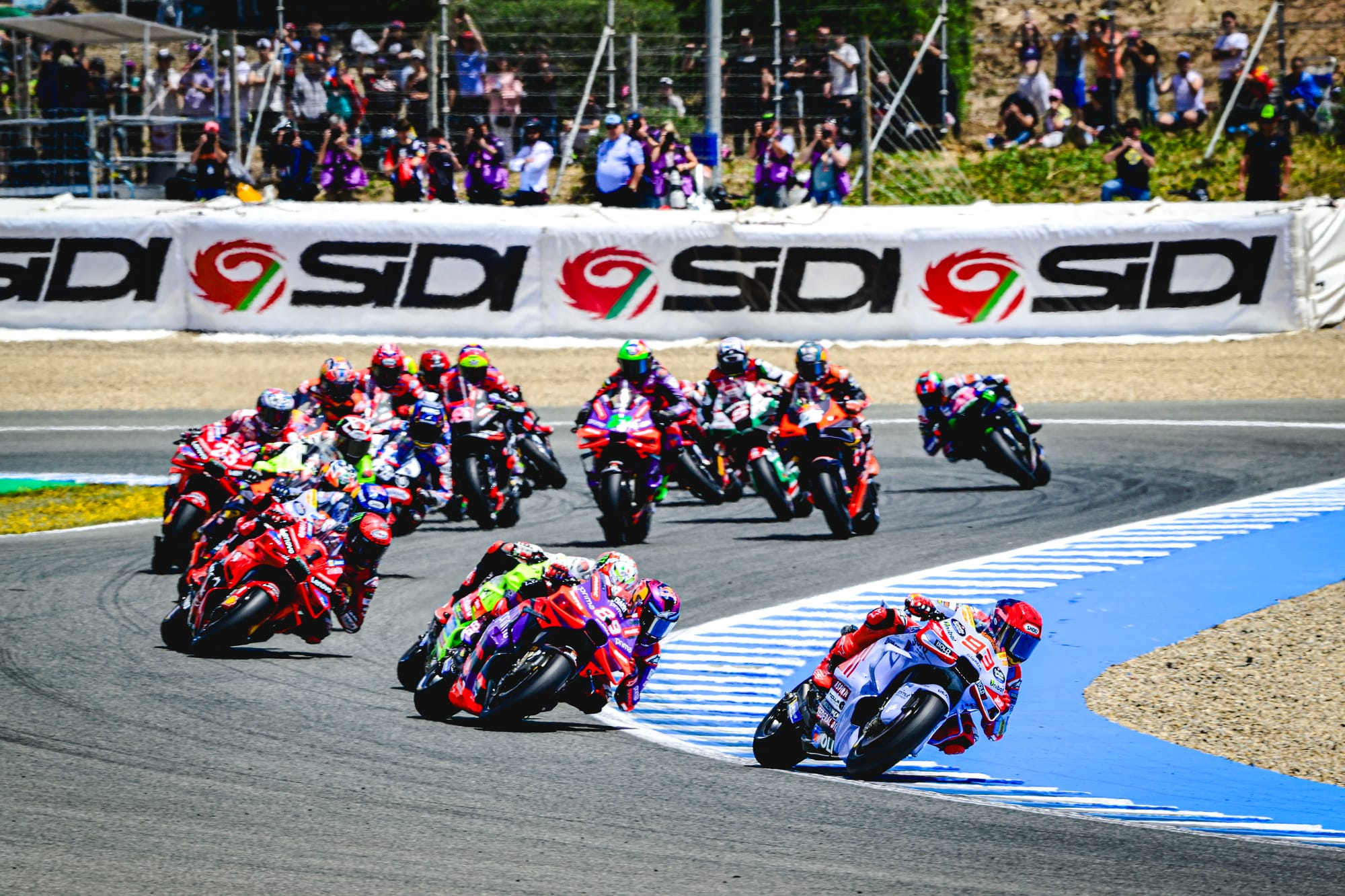
MotoGP has revealed its updated regulations for the 2027 season, with a significant reduction in engine capacity from 1000cc to 850cc being the headline change. This move aims to slow down bikes and enhance safety on traditional circuits.
While the decrease in capacity was anticipated, other surprise announcements accompany the new rules. Despite the reduction in bore size from 81mm to 75mm, MotoGP bikes will maintain their four-cylinder configuration, eliminating the possibility of reverting to prototype engines.
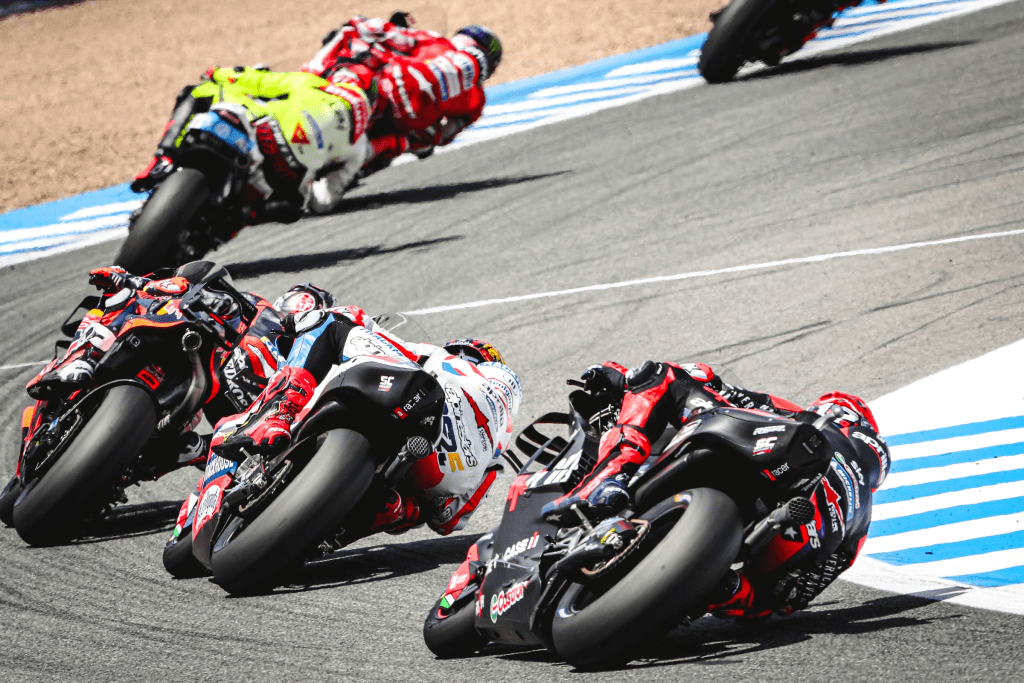
The adjustments seek to mitigate risks at circuits with higher cornering speeds. Changes to gearbox regulations, reducing available ratios from 24 to 16, aim to discourage designs focused on high revving and corner speed.
Another notable alteration involves the complete ban on ride height devices, including those utilized for race starts. Initially introduced to manage wheelies, these devices evolved to impact corner exits, reducing the reliance on rider skill.
Furthermore, manufacturers will face significant modifications to aerodynamic regulations. Restrictions on the width of front and rear fairings and the positioning of the foremost bike nose aim to standardize aerodynamic profiles. Notably, the rear of the bike will now be part of the homologated aero package, limiting updates throughout the season.
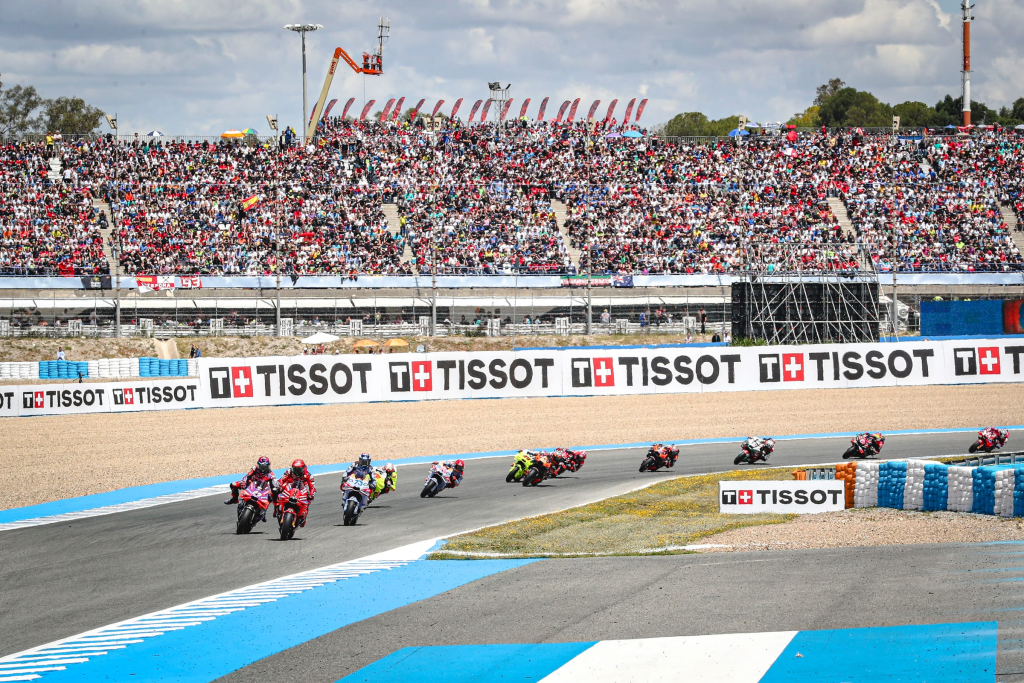
Additional changes include a reduction in the number of allowed engines per season to six, a decrease in fuel capacity to 20 liters, and a weight reduction to 153kg to align with the new engine specifications.
Moreover, adjustments to the concession system aim to balance the introduction of new bikes. Factories previously raced in 2026 will be reclassified, affecting testing privileges and wildcard allowances.
Overall, these regulations signal a comprehensive effort to enhance safety, standardize aerodynamics, and promote competitive balance in MotoGP’s upcoming season.

Leave a Reply